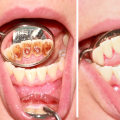
Understanding plaque is essential for maintaining optimal oral health. Plaque is a sticky, colorless film of bacteria that forms on your teeth and gums. It develops when sugars and starches from the food you eat interact with the bacteria naturally present in your mouth. If not removed through regular brushing and flossing, plaque can harden into tartar, which can only be removed by a dental professional during a teeth cleaning.The effects of plaque on your oral health can be significant.
As plaque accumulates, it can lead to various dental issues, including cavities and gum disease. When plaque is allowed to remain on the teeth, it produces acids that erode tooth enamel, leading to decay. Additionally, the inflammation caused by plaque buildup can result in gingivitis, the earliest stage of gum disease, characterized by red, swollen gums that may bleed during brushing. To effectively prevent plaque buildup between teeth cleanings, it is crucial to adopt a comprehensive dental hygiene routine. This includes brushing at least twice a day with fluoride toothpaste, flossing daily to remove food particles and plaque from between teeth, and using an antibacterial mouthwash to help reduce bacteria in the mouth.
By understanding what plaque is and how it affects your oral health, you can take proactive steps to maintain a healthy smile and minimize the need for frequent dental interventions.
The Role of Regular Teeth Cleaning
Regular teeth cleaning is essential for maintaining optimal oral health and preventing plaque buildup. Professional dental cleanings, typically recommended every six months, play a crucial role in this process. During these visits, dental hygienists use specialized tools to remove tartar and plaque that regular brushing and flossing may miss.Importance of Professional Dental Cleaning
- Thorough Removal of Plaque: Even with diligent home care, plaque can accumulate in hard-to-reach areas. Professional cleanings ensure that these deposits are effectively removed.
- Early Detection of Oral Issues: Regular visits allow dentists to identify potential problems, such as cavities or gum disease, before they escalate.
- Personalized Oral Care Advice: Dental professionals can provide tailored recommendations based on your specific oral health needs, helping you improve your at-home care routine.
Frequency of Teeth Cleaning
The frequency of teeth cleaning can vary based on individual needs.
While most people benefit from biannual cleanings, some may require more frequent visits due to factors such as:
- History of Gum Disease: Individuals with a history of periodontal issues may need to visit the dentist every three to four months.
- High Plaque Buildup: Those who naturally produce more plaque or have braces may also need more frequent cleanings.
- Medical Conditions: Certain health conditions can affect oral health, necessitating more regular dental visits.
Daily Oral Hygiene Practices to Prevent Plaque Buildup
Maintaining a consistent daily oral hygiene routine is essential for preventing plaque buildup between teeth cleanings. Here are some effective practices to incorporate into your daily regimen:Brushing Techniques
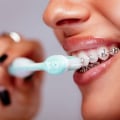
Brushing your teeth at least twice a day is crucial. To maximize the effectiveness of brushing, follow these techniques:- Choose the right toothbrush: Use a soft-bristled toothbrush that fits comfortably in your mouth.
- Use fluoride toothpaste: Fluoride helps strengthen tooth enamel and fight cavities.
- Brush for two minutes: Spend at least 30 seconds on each quadrant of your mouth.
- Angle your brush: Hold your toothbrush at a 45-degree angle to your gums and use gentle, circular motions.
The Importance of Flossing
Flossing is often overlooked but is vital for removing plaque and food particles from between teeth where a toothbrush cannot reach.Aim to floss at least once a day, preferably before bedtime. Here’s how to do it effectively:
- Use enough floss: Break off about 18 inches of dental floss, winding most around one finger and the rest around the opposite finger.
- Gently slide the floss: Guide the floss between your teeth using a gentle sawing motion, being careful not to snap it against your gums.
- Curve the floss: Form a C-shape around each tooth and slide it up and down to remove plaque.
Mouthwash Benefits
Incorporating an antimicrobial mouthwash into your routine can provide additional protection against plaque buildup. Look for mouthwashes that contain chlorhexidine, cetylpyridinium chloride, or fluoride. Rinse with mouthwash after brushing and flossing to help kill bacteria and freshen breath.This step can enhance your overall oral hygiene by reaching areas that brushing and flossing might miss. By adopting these daily oral hygiene practices—effective brushing techniques, regular flossing, and the use of mouthwash—you can significantly reduce plaque buildup and maintain healthier teeth between teeth cleanings.
Dietary Choices That Help Reduce Plaque Formation
Maintaining a healthy diet is crucial for reducing plaque buildup between teeth cleanings. The foods you consume can either contribute to or help prevent the formation of plaque, making dietary choices an essential aspect of oral health.Foods That Promote Oral Health
- Fruits and Vegetables: Crunchy fruits and vegetables, such as apples, carrots, and celery, can help scrub away food particles and plaque from teeth. Their high water content also aids in rinsing the mouth.
- Dairy Products: Foods like cheese and yogurt are rich in calcium and phosphates, which help strengthen tooth enamel and neutralize acids produced by bacteria.
- Nuts: Nuts such as almonds and walnuts are not only nutritious but also require chewing, which stimulates saliva production. Saliva is a natural defense against plaque buildup.
- Green Tea: This beverage contains polyphenols that can inhibit the growth of bacteria responsible for plaque formation, making it a beneficial addition to your diet.
Foods to Avoid
- Sugary Snacks: Foods high in sugar, such as candies and pastries, provide fuel for bacteria in the mouth, leading to increased plaque formation.
Limiting these treats can significantly benefit your oral health.
- Starchy Foods: Chips, bread, and pasta can break down into sugars in the mouth, promoting plaque buildup. Opt for whole grains when possible.
- Sodas and Sugary Drinks: These beverages not only contain high levels of sugar but also acids that can erode enamel, making teeth more susceptible to plaque.
The Importance of Hydration for Oral Health
Staying hydrated is crucial for maintaining optimal oral health, as it plays a significant role in promoting saliva production. Saliva is not just a fluid; it is a natural defense mechanism against plaque buildup and cavities.When you are well-hydrated, your body produces enough saliva to help wash away food particles and neutralize acids produced by bacteria in your mouth.
Benefits of Water for Teeth:
- Washes Away Debris: Drinking water after meals can help remove leftover food particles that may contribute to plaque formation.
- Neutralizes Acids: Water helps dilute the acids in your mouth, reducing the risk of enamel erosion and tooth decay.
- Supports Saliva Production: Adequate hydration ensures that your salivary glands function properly, producing enough saliva to protect your teeth.
Tips for Staying Hydrated:
- Drink plenty of water throughout the day, aiming for at least 8 glasses.
- Incorporate hydrating foods into your diet, such as fruits and vegetables with high water content.
- Avoid excessive consumption of sugary drinks that can lead to dehydration and negatively impact oral health.
Using Dental Products Effectively to Combat Plaque
To effectively combat plaque buildup between teeth cleanings, utilizing the right dental products is essential.Here’s a closer look at some of the best options available:
- Toothpaste Types: Choosing a toothpaste that contains fluoride is crucial for strengthening enamel and preventing decay. Additionally, look for toothpaste labeled as tartar control or those containing antimicrobial agents, which can help reduce plaque formation. Some brands also offer specialized formulas designed for sensitive teeth or whitening, which can be beneficial depending on your specific needs.
- Interdental Brushes: These small brushes are designed to clean between teeth where traditional toothbrushes may not reach effectively. Using interdental brushes regularly can significantly reduce plaque accumulation in hard-to-reach areas.
They come in various sizes, so it’s important to choose one that fits comfortably between your teeth.
- Dental Floss: Flossing is a time-tested method for removing plaque and food particles from between teeth. Opt for waxed floss if you have tight spaces between your teeth, as it glides more easily. For those who prefer a more convenient option, floss picks or water flossers can also be effective alternatives.
- Mouthwash: Incorporating an antibacterial mouthwash into your daily routine can provide an extra layer of protection against plaque. Look for mouthwashes that contain ingredients like chlorhexidine or cetylpyridinium chloride, which are known to help reduce plaque and gingivitis.
Regular use of these dental tools, combined with routine visits to your dentist for professional cleanings, will help maintain oral health and prevent plaque buildup effectively.
Common Myths About Plaque and Teeth Cleaning
When it comes to plaque buildup and teeth cleaning, there are several common myths that can lead to misunderstandings about oral health. Addressing these misconceptions is crucial for maintaining effective dental hygiene.- Myth 1: Plaque is only a problem for those with poor dental hygiene.
Many believe that only individuals who neglect their oral care experience plaque buildup. In reality, plaque can form on anyone's teeth, regardless of their brushing habits. Regular teeth cleaning is essential for everyone. - Myth 2: You can remove plaque with mouthwash alone.
While mouthwash can help reduce bacteria and freshen breath, it cannot effectively remove plaque.The only way to eliminate plaque is through proper brushing and flossing, along with professional cleanings.
- Myth 3: If my teeth look clean, I don’t have plaque.
Plaque is often invisible to the naked eye. Even if your teeth appear clean, plaque can still be present, especially in hard-to-reach areas. Regular dental check-ups are vital for detecting and managing plaque buildup. - Myth 4: Whitening toothpaste prevents plaque.
While whitening toothpaste may help remove surface stains, it does not prevent plaque formation. A comprehensive oral care routine that includes fluoride toothpaste and regular flossing is necessary to combat plaque effectively.
By debunking these misconceptions, individuals can take proactive steps towards better dental health and minimize the risk of plaque buildup between teeth cleanings.
When to Consult a Dentist About Plaque Issues
Recognizing the signs of excessive plaque buildup is crucial for maintaining oral health. If you notice any of the following symptoms, it may be time to consult your dentist:- Persistent Bad Breath: If you experience chronic bad breath that doesn’t improve with regular brushing and flossing, it could indicate plaque accumulation.
- Gum Inflammation: Swollen, red, or bleeding gums are often early signs of plaque buildup. Healthy gums should not bleed during brushing or flossing.
- Tooth Sensitivity: Increased sensitivity to hot or cold foods and beverages can signal that plaque is affecting your teeth and gums.
- Visible Tartar: If you can see yellow or brown deposits on your teeth, this is hardened plaque (tartar) that requires professional cleaning.
- Changes in Bite: If you notice changes in how your teeth fit together when you bite, it may be due to gum disease caused by plaque.
However, if you are prone to plaque buildup or have existing dental issues, your dentist may suggest more frequent visits.Ultimately, being proactive about your dental health can prevent more serious issues down the line. If you’re unsure about your oral hygiene routine or have concerns about plaque buildup, don’t hesitate to reach out to your dentist for personalized advice and treatment options.
Conclusion: Key Takeaways for Maintaining a Plaque-Free Smile
In conclusion, maintaining a plaque-free smile requires a combination of diligent oral hygiene practices and regular professional teeth cleaning. By implementing the strategies discussed throughout this article, you can significantly reduce the risk of plaque buildup between dental visits.Key takeaways include:- Daily Brushing: Brush your teeth at least twice a day with fluoride toothpaste to effectively remove food particles and plaque.
- Flossing: Incorporate daily flossing into your routine to clean between teeth where toothbrushes cannot reach.
- Mouthwash: Use an antimicrobial mouthwash to help kill bacteria and reduce plaque formation.
- Dietary Choices: Limit sugary snacks and beverages, as they contribute to plaque buildup. Instead, opt for crunchy fruits and vegetables that can help clean your teeth naturally.
- Regular Dental Visits: Schedule professional teeth cleanings every six months to ensure any plaque or tartar is removed by a dental professional.
Remember, prevention is always better than treatment when it comes to dental care. A proactive approach will keep your smile bright and healthy for years to come.