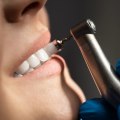
Maintaining optimal dental hygiene is crucial for overall oral health, and one of the most effective ways to achieve this is through regular teeth cleaning. This essential practice not only helps in preventing cavities and gum disease but also plays a significant role in enhancing the aesthetic appeal of your smile. Over time, substances like coffee and tea can lead to unsightly stains on your teeth, making it imperative to understand how professional cleaning can address these issues. Teeth cleaning involves the removal of plaque, tartar, and surface stains that accumulate on the teeth. While daily brushing and flossing are vital components of a good oral care routine, they may not be sufficient to eliminate all discoloration caused by dietary choices.
Regular visits to your dentist for professional cleanings can effectively target these stubborn stains, restoring the natural brightness of your teeth. Moreover, understanding the importance of teeth cleaning extends beyond aesthetics. It is a proactive measure that contributes to long-term oral health. By investing in routine cleanings, you not only enhance your smile but also reduce the risk of more serious dental issues down the line. As we delve deeper into the effects of teeth cleaning on stains from coffee and tea, it becomes clear that this practice is an essential part of maintaining both a healthy mouth and a confident smile.
How Coffee and Tea Stain Teeth
Coffee and tea are beloved beverages for many, but they come with a downside: staining teeth.The primary culprits behind these stains are two compounds found in both drinks: tannins and chromogens.
Tannins
are polyphenolic compounds that contribute to the astringent taste of coffee and tea. They have a unique ability to bind to proteins, including those found in tooth enamel. When you consume these beverages, tannins can adhere to the surface of your teeth, leading to discoloration over time.
Chromogens
, on the other hand, are pigmented molecules that can also attach themselves to dental enamel. These compounds are particularly prevalent in darker teas and coffees, which means that the darker your beverage, the more likely it is to cause staining.
As chromogens settle on your teeth, they create a yellowish or brownish hue that can be difficult to remove.Additionally, the acidity of coffee and tea can weaken tooth enamel, making it more susceptible to staining. When enamel is compromised, it becomes easier for tannins and chromogens to penetrate and cause discoloration.To summarize, the combination of tannins, chromogens, and acidity in coffee and tea creates an environment conducive to stains on teeth. Understanding these factors is crucial for anyone looking to maintain a bright smile while enjoying their favorite beverages.
Types of Teeth Cleaning Procedures
When it comes to maintaining a bright smile, understanding the different teeth cleaning procedures is essential. These methods can significantly impact the removal of stains caused by beverages like coffee and tea.Professional Teeth Cleaning
Professional teeth cleaning, often performed by a dentist or dental hygienist, is one of the most effective ways to remove stubborn stains.This procedure typically includes:
- Scaling: This involves using specialized tools to remove plaque and tartar buildup from the teeth's surface.
- Polishing: After scaling, a polishing paste is applied to smooth the enamel and remove surface stains.
- Fluoride Treatment: A fluoride treatment may follow to strengthen the enamel and help prevent future staining.
At-Home Teeth Cleaning
While professional cleanings are crucial, at-home care also plays a vital role in stain prevention and removal. Here are some effective at-home techniques:- Regular Brushing: Brushing twice a day with a whitening toothpaste can help reduce surface stains from coffee and tea.
- Flossing: Daily flossing removes food particles and plaque between teeth, preventing discoloration.
- Use of Mouthwash: An antibacterial mouthwash can help reduce plaque buildup and freshen breath, contributing to overall oral hygiene.
- Whitening Strips or Gels: Over-the-counter whitening products can be effective for removing deeper stains when used as directed.
Effectiveness of Teeth Cleaning on Stains from Coffee and Tea
When it comes to teeth cleaning, many individuals wonder about its effectiveness in removing stubborn stains caused by coffee and tea. These beverages are notorious for leaving behind unsightly discoloration due to their high tannin content, which can adhere to the enamel of the teeth.Professional Teeth Cleaning
- Professional dental cleanings, typically performed by a hygienist, utilize specialized tools and techniques that can effectively remove surface stains.
- Ultrasonic scalers and hand instruments are employed to break down plaque and tartar, which can harbor stains.
- Many dental offices also offer polishing treatments that use a gritty paste to buff the teeth, further enhancing stain removal.
At-Home Teeth Cleaning Methods
- At-home whitening kits and toothpaste designed for stain removal can be effective for mild discoloration.
- Whitening strips often contain hydrogen peroxide, which can penetrate the enamel and help lift deeper stains.
- However, these methods may not be as effective as professional cleanings for severe staining.
Expert Opinions
Dentists generally agree that while teeth cleaning can significantly reduce the appearance of stains from coffee and tea, it may not completely eliminate them. For persistent stains, additional treatments such as professional whitening or veneers may be recommended.
According to a study published in the Journal of Dentistry, patients who underwent regular professional cleanings reported a noticeable improvement in the brightness of their smiles.In conclusion, while teeth cleaning is an effective method for reducing coffee and tea stains, combining it with at-home care and professional treatments can yield the best results for maintaining a bright, white smile.
Preventive Measures to Avoid Staining
Preventing stains from coffee and tea is essential for maintaining a bright smile. Here are some effective strategies to help you keep your teeth looking their best:- Limit Consumption: Reducing the amount of coffee and tea you drink can significantly decrease the likelihood of staining. Consider switching to lighter teas or herbal alternatives that are less likely to cause discoloration.
- Use a Straw: When enjoying your favorite beverages, using a straw can help minimize contact between the liquid and your teeth, thereby reducing staining potential.
- Rinse After Drinking: Rinsing your mouth with water immediately after consuming coffee or tea can help wash away any residual pigments that may adhere to your teeth.
- Maintain Good Oral Hygiene: Regular brushing and flossing are crucial. Aim to brush your teeth at least twice a day and floss daily to remove plaque buildup that can trap stains.
- Choose Whitening Toothpaste: Incorporating a whitening toothpaste into your dental care routine can help combat surface stains and keep your smile bright.
- Regular Dental Cleanings: Visiting your dentist for professional cleanings every six months can help remove stubborn stains and maintain overall oral health.
These foods can help scrub away surface stains while providing essential nutrients for your dental health. By implementing these preventive measures, you can enjoy your favorite beverages without compromising the brightness of your smile. Remember, consistent care is key to achieving long-lasting results!
FAQs About Teeth Cleaning and Stains
When it comes to teeth cleaning, many people have questions about its effectiveness, especially regarding stains caused by coffee and tea. Here are some frequently asked questions that can help clarify these concerns.Can teeth cleaning remove all stains?
While teeth cleaning is effective in removing many surface stains, such as those from coffee and tea, it may not eliminate all discoloration. Stains that have penetrated deeper into the enamel or those caused by certain medications may require more specialized treatments, such as whitening procedures or dental bonding.How often should I clean my teeth?
The American Dental Association recommends visiting your dentist for a professional cleaning at least twice a year.However, individuals who consume staining beverages like coffee or tea may benefit from more frequent cleanings. Regular at-home care, including brushing twice a day and flossing daily, is also crucial in maintaining a bright smile.
What can I do to prevent stains?
- Rinse your mouth with water after consuming coffee or tea to help wash away residue.
- Use a straw when drinking these beverages to minimize contact with your teeth.
- Maintain good oral hygiene by brushing and flossing regularly.
- Consider using whitening toothpaste to help reduce surface stains over time.
Conclusion: The Role of Teeth Cleaning in Maintaining a Bright Smile
In conclusion, teeth cleaning plays a crucial role in maintaining a bright and healthy smile, especially for those who enjoy beverages like coffee and tea. These drinks are notorious for causing stains due to their high tannin content, which can lead to discoloration over time.Regular professional cleanings not only help in removing these stains but also contribute to overall oral health.It is essential to understand that while teeth cleaning can significantly reduce the appearance of stains, it may not completely eliminate them, particularly if they have set in over time. Therefore, incorporating a routine of both professional cleanings and at-home dental care is vital.
- Regular Dental Visits: Scheduling cleanings every six months can help keep stains at bay and maintain your oral hygiene.
- At-Home Care: Using whitening toothpaste and mouthwash can assist in managing surface stains between visits.
- Dietary Choices: Limiting the intake of staining beverages or using a straw can minimize contact with teeth.