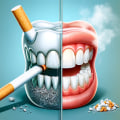
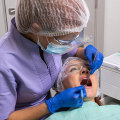
Maintaining oral hygiene is not just about having a bright smile; it plays a crucial role in your overall health. The mouth serves as a gateway to the body, and neglecting it can lead to various health issues beyond cavities and gum disease. When you prioritize teeth cleaning, you are actively reducing the risk of serious conditions such as heart disease, diabetes, and respiratory infections. This connection between oral health and systemic health underscores the importance of regular dental care. Moreover, clean teeth contribute significantly to your self-esteem and social interactions.
A healthy mouth allows you to speak clearly, eat comfortably, and smile confidently. The benefits of maintaining good dental hygiene extend beyond aesthetics; they encompass physical well-being and emotional health. By understanding why clean teeth matter, you can appreciate the value of incorporating effective oral care practices into your daily routine. In the following sections, we will explore practical tips for keeping your teeth clean between professional cleanings. These strategies will empower you to take charge of your dental health, ensuring that your efforts complement the work done by your dentist.
Remember, a proactive approach to dental care not only enhances your smile but also fortifies your overall health.
Daily Brushing Techniques for Optimal Cleanliness
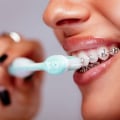
Maintaining clean teeth between professional cleanings is essential for overall oral health. One of the most effective ways to achieve this is through proper brushing techniques. Here are some tips to ensure you are brushing your teeth effectively:- Choose the Right Toothbrush: Opt for a toothbrush with soft bristles, as they are gentle on your gums while effectively removing plaque. Electric toothbrushes can also be beneficial, as they often provide a more thorough clean compared to manual brushing.
- Use Fluoride Toothpaste: Select a toothpaste that contains fluoride, which helps strengthen tooth enamel and prevent cavities.
Look for products that have the American Dental Association (ADA) Seal of Acceptance.
- Brush at the Right Angle: Hold your toothbrush at a 45-degree angle to your gums. This position allows the bristles to reach below the gum line, where plaque tends to accumulate.
- Employ Proper Technique: Use gentle, circular motions while brushing. Avoid aggressive scrubbing, as this can damage your gums and enamel. Make sure to brush all surfaces of your teeth: the outer, inner, and chewing surfaces.
- Don’t Forget Your Tongue: Bacteria can accumulate on your tongue, contributing to bad breath and plaque buildup.
Gently brush your tongue or use a tongue scraper as part of your daily routine.
The Role of Flossing in Dental Care
Flossing is an essential component of teeth cleaning that often gets overlooked. While brushing your teeth is crucial for removing plaque and preventing cavities, it cannot reach the tight spaces between your teeth where food particles and plaque tend to accumulate.This is where flossing comes into play.
Importance of Flossing
Flossing helps to remove debris and plaque from areas that a toothbrush simply cannot access. According to dental professionals, neglecting to floss can lead to gum disease and cavities, as the buildup of plaque can harden into tartar if not removed regularly. By incorporating flossing into your daily routine, you significantly reduce your risk of dental issues.How to Floss Correctly
To maximize the benefits of flossing, it’s important to do it correctly. Here’s a simple step-by-step guide:- Choose the right type of floss: There are various types of dental floss available, including waxed, unwaxed, and dental tape.
Choose one that feels comfortable for you.
- Use enough floss: Break off about 18 inches of floss and wind most of it around your middle fingers, leaving about 1-2 inches to work with.
- Gently slide the floss: Carefully insert the floss between your teeth using a gentle sawing motion. Avoid snapping it into your gums.
- Curve the floss: Once the floss is between your teeth, curve it around each tooth in a C-shape and slide it up and down against the tooth surface.
- Repeat: Use a clean section of floss for each tooth until you have cleaned all spaces.
Benefits of Dental Floss
The benefits of regular flossing extend beyond just cleaner teeth. Here are some key advantages:- Prevention of gum disease: Flossing helps to keep your gums healthy by removing plaque that can lead to gingivitis.
- Fresh breath: By eliminating food particles trapped between teeth, flossing contributes to fresher breath.
- Savings on dental bills: Maintaining good oral hygiene through regular flossing can help you avoid costly dental procedures in the future.
Dietary Choices That Promote Dental Health
Maintaining clean teeth goes beyond regular visits to the dentist; it also involves making informed dietary choices.Certain foods can actively contribute to your dental health, while others may lead to plaque buildup and cavities.
Foods for Healthy Teeth
- Dairy Products: Foods like cheese, yogurt, and milk are rich in calcium and phosphates, which help strengthen tooth enamel and neutralize acids in the mouth.
- Crisp Fruits and Vegetables: Apples, carrots, and celery are not only nutritious but also act as natural toothbrushes. Their crunchy texture helps scrub away food particles and stimulate saliva production, which is essential for oral health.
- Nuts: Almonds and walnuts are excellent sources of protein and healthy fats. They also contain minerals that can help protect your teeth from decay.
- Green Tea: Rich in antioxidants, green tea can reduce inflammation and inhibit the growth of bacteria that cause gum disease.
Snacks That Clean Teeth
- Popcorn: Air-popped popcorn can be a great snack that helps clean teeth due to its fibrous nature. Just be cautious of unpopped kernels!
- Cheese Sticks: Snacking on cheese not only provides calcium but also helps neutralize acids in the mouth, reducing the risk of cavities.
- Sugary Snacks: Candies, cookies, and other sugary treats can lead to plaque buildup and cavities if consumed frequently.
- Acidic Foods: Citrus fruits and sodas can erode tooth enamel over time.
If you indulge in these, rinse your mouth with water afterward to help neutralize the acid.
The Impact of Hydration on Oral Hygiene
Staying hydrated is crucial for maintaining optimal oral hygiene and plays a significant role in the health of your teeth. One of the primary benefits of hydration is its ability to promote saliva production, which is essential for a healthy mouth.Importance of Hydration for Teeth
- Saliva Production: Saliva acts as a natural defense mechanism against cavities and gum disease. It helps neutralize acids produced by bacteria in the mouth, reducing the risk of tooth decay.
- Food Particle Removal: Drinking water throughout the day helps rinse away food particles and debris that can accumulate on your teeth, minimizing plaque buildup.
- pH Balance: Adequate hydration helps maintain a balanced pH level in the mouth, which is vital for preventing harmful bacteria from thriving.
Drinking Water and Dental Health
Incorporating more water into your daily routine can significantly enhance your dental health. Here are some tips:
- Drink Water After Meals: Make it a habit to drink water after each meal.
This simple action can help wash away food particles and reduce acidity in your mouth.
- Choose Water Over Sugary Drinks: Opting for water instead of sugary beverages not only keeps you hydrated but also prevents sugar-related dental issues.
- Use Water to Rinse: If you don’t have access to a toothbrush after eating, swishing water around your mouth can help dislodge food particles and keep your teeth cleaner.
How Water Helps Clean Teeth
The act of drinking water itself contributes to cleaning your teeth. When you consume water, it helps to:
- Flush Out Bacteria: Water helps wash away bacteria that can lead to bad breath and other oral health issues.
- Moisten Oral Tissues: Staying hydrated keeps your gums and other oral tissues moist, which is essential for overall oral health.
Regular Dental Check-ups: Why They Matter
Maintaining optimal dental health goes beyond daily brushing and flossing; it requires regular dental check-ups with a professional. These visits are crucial for preventing dental issues before they escalate into more serious problems.Importance of Dental Check-ups
- Early Detection: Regular check-ups allow dentists to identify potential issues such as cavities, gum disease, and oral cancer at an early stage, making treatment easier and more effective.
- Professional Cleaning: During these visits, dental hygienists perform thorough cleanings that remove plaque and tartar buildup that regular brushing may miss.
- Customized Advice: Dentists can provide personalized recommendations based on your specific dental health needs, including tips for maintaining clean teeth between visits.
Frequency of Dental Visits
The American Dental Association recommends visiting the dentist at least twice a year for check-ups and cleanings.
However, individuals with specific dental concerns or higher risk factors may need to schedule appointments more frequently. Your dentist can help determine the best schedule for you based on your oral health history.
What to Expect at a Dental Cleaning
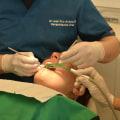
- Initial Examination: The appointment typically begins with an examination of your teeth and gums to assess your overall oral health.
- Professional Cleaning: A dental hygienist will use specialized tools to remove plaque and tartar from your teeth, followed by polishing to give your teeth a smooth finish.
- X-rays: Depending on your needs, the dentist may take X-rays to check for underlying issues not visible during the examination.
- Fluoride Treatment: Many visits conclude with a fluoride treatment to strengthen tooth enamel and help prevent cavities.
Common Myths About Teeth Cleaning Debunked
When it comes to teeth cleaning and oral hygiene, several myths can lead to confusion and poor dental practices. Understanding the truth behind these misconceptions is essential for maintaining optimal oral health.Myth 1: Brushing Harder Cleans Better
Many people believe that applying more pressure while brushing will result in cleaner teeth.However, this is not true. Brushing too hard can actually damage your gums and enamel. Instead, use a soft-bristled toothbrush and gentle circular motions to effectively clean your teeth without causing harm.
Myth 2: You Only Need to Brush Once a Day
Some individuals think that brushing once daily is sufficient. In reality, brushing your teeth twice a day is crucial for removing plaque and preventing cavities.Additionally, incorporating flossing into your routine helps eliminate food particles and plaque from between your teeth.
Myth 3: Mouthwash Replaces Brushing
While mouthwash can be a beneficial addition to your oral care routine, it should never replace brushing and flossing. Mouthwash can help reduce bacteria and freshen breath, but it does not remove plaque or food debris effectively.Myth 4: Sugar-Free Gum Can Replace Brushing
Chewing sugar-free gum can stimulate saliva production, which is beneficial for oral health. However, it should not be considered a substitute for regular brushing and flossing. Gum can help in between meals but cannot replace the thorough cleaning that comes from proper brushing techniques.Myth 5: Professional Cleanings Are Not Necessary
Some people believe that if they maintain good oral hygiene at home, they do not need professional cleanings.This is a dangerous misconception. Regular dental check-ups and cleanings are essential for detecting issues early and ensuring that your teeth remain healthy. By debunking these common myths about teeth cleaning, you can make informed decisions about your oral hygiene practices. Always consult with your dentist for personalized advice tailored to your specific needs.
Conclusion: Key Takeaways for Maintaining Clean Teeth
Maintaining clean teeth between professional cleanings is essential for overall oral health. By adopting effective daily habits, you can significantly reduce plaque buildup and prevent dental issues. Here are the key takeaways to ensure your teeth remain in top condition:- Brush Twice Daily: Use a fluoride toothpaste and a soft-bristled toothbrush to brush your teeth for at least two minutes, twice a day.
This helps remove food particles and plaque.
- Floss Daily: Flossing is crucial for cleaning between teeth where your toothbrush can't reach. Make it a habit to floss at least once a day.
- Use Mouthwash: An antibacterial mouthwash can help reduce plaque and gingivitis. Rinse daily to enhance your oral hygiene routine.
- Limit Sugary Foods: Reducing your intake of sugary snacks and beverages can lower the risk of cavities and tooth decay. Opt for healthier snacks like fruits and vegetables.
- Stay Hydrated: Drinking water throughout the day helps wash away food particles and bacteria, keeping your mouth clean.
- Regular Dental Check-ups: Even with diligent home care, regular visits to your dentist for professional cleanings are vital.
They can identify potential issues early on.