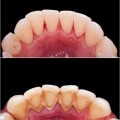
Teeth cleaning is a vital component of maintaining optimal oral health. It involves the professional removal of plaque, tartar, and stains from the surfaces of the teeth, which can accumulate over time despite regular brushing and flossing. This process not only enhances the aesthetic appearance of your smile but also plays a crucial role in preventing dental issues such as cavities and gum disease. Understanding the significance of teeth cleaning is essential for individuals of all ages, as it lays the foundation for a lifetime of healthy teeth and gums. The importance of regular teeth cleaning extends beyond mere cosmetic benefits.
Professional cleanings help to identify potential problems early on, allowing for timely intervention before they escalate into more serious conditions. Moreover, these cleanings contribute to overall health; studies have shown a link between oral health and systemic conditions such as heart disease and diabetes. By prioritizing teeth cleaning, individuals can not only safeguard their dental health but also enhance their overall well-being. As we delve deeper into this topic, it becomes crucial to consider when one should begin receiving professional teeth cleanings. The recommended age for initiating these cleanings can vary based on individual circumstances, but understanding the foundational role of teeth cleaning will help guide parents and individuals alike in making informed decisions about their oral health journey.
The Importance of Early Dental Care
Establishing a routine for teeth cleaning at an early age is essential for maintaining optimal dental health in children.Early dental care not only helps in preventing cavities but also sets the foundation for lifelong oral hygiene habits. One of the primary benefits of early teeth cleaning is the prevention of dental issues that can arise as children grow. Regular cleanings help remove plaque and tartar buildup, which are significant contributors to cavities and gum disease. By starting professional cleanings around the age of three, parents can ensure that their child's teeth are healthy and free from decay. Moreover, early dental visits provide an opportunity for children to become familiar with the dental environment. This familiarity can reduce anxiety associated with dental appointments later in life.
When children see their dentist regularly, they learn the importance of oral hygiene, making them more likely to adopt good habits such as brushing and flossing. Additionally, early dental care allows for the identification of potential issues before they become serious problems. Dentists can monitor the development of teeth and jaws, ensuring that any necessary interventions, such as orthodontics, can be addressed promptly. In summary, prioritizing teeth cleaning and dental visits from a young age is crucial for children's overall health. It not only prevents cavities and other dental issues but also instills a sense of responsibility towards maintaining their oral hygiene.
Recommended Age for First Teeth Cleaning
Determining the recommended age for teeth cleaning is crucial for maintaining optimal oral health. The American Dental Association (ADA) suggests that children should have their first dental visit by their first birthday or within six months after their first tooth erupts.This initial visit is not only about checking for cavities but also serves as a foundation for establishing a relationship with the dentist and understanding the importance of oral hygiene.As for professional teeth cleanings, the general recommendation is to start them around the age of 2 to 3 years. At this age, children can typically cooperate better during the cleaning process, allowing the dentist to effectively remove plaque and tartar buildup. Regular cleanings should then continue every six months, as advised by dental professionals.For older children and adolescents, maintaining a routine of biannual cleanings becomes even more critical. This is particularly important as they transition into permanent teeth, which are more susceptible to decay if not properly cared for.
Additionally, these visits provide an opportunity for the dentist to monitor the development of the teeth and jaw, addressing any potential issues early on.
Key Points to Remember:
- The first dental visit should occur by age one.
- Professional teeth cleanings can start around ages 2 to 3.
- Regular cleanings every six months are essential for ongoing oral health.
Factors Influencing the Timing of Teeth Cleanings
Determining the right age for a child to start receiving professional teeth cleanings involves several key factors that can vary significantly from one individual to another. Understanding these factors can help parents make informed decisions about their child's dental care.- Individual Dental Health: Each child's dental health is unique. Some children may develop cavities or other dental issues earlier than others, necessitating earlier cleanings.
Regular check-ups can help identify these needs.
- Child’s Dental Development: The timing of teeth cleaning should also consider the child’s dental development. Typically, children begin to lose their baby teeth around age six, and by this time, they should have a routine dental visit established. Cleanings can help maintain the health of both baby and permanent teeth.
- Diet and Oral Hygiene Practices: A child’s diet plays a crucial role in their oral health. High sugar intake can lead to plaque buildup, making professional cleanings more necessary.
Additionally, if a child struggles with maintaining proper oral hygiene at home, earlier cleanings may be beneficial.
- Family Dental History: If there is a history of dental issues in the family, it may be wise to start professional cleanings earlier. Genetic factors can influence susceptibility to cavities and gum disease.
What to Expect During a Professional Teeth Cleaning
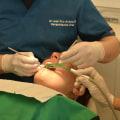
When you take your child for their first professional teeth cleaning, it’s natural to wonder what the experience will be like. Understanding the teeth cleaning process can help ease any anxiety and prepare both you and your child for the appointment.The typical professional dental cleaning appointment usually lasts about 30 to 60 minutes and involves several key steps:- Initial Examination: The dental hygienist will start by examining your child's mouth, checking for any signs of cavities or gum disease.
This is a great opportunity to ask any questions you may have about your child's oral health.
- Scaling: Using specialized tools, the hygienist will remove plaque and tartar buildup from the teeth. This process may involve both manual tools and ultrasonic devices that help break up stubborn deposits.
- Polishing: After scaling, the hygienist will polish your child's teeth with a gritty toothpaste. This step not only makes the teeth feel smooth but also helps remove any remaining stains.
- Fluoride Treatment: A fluoride treatment may be applied to strengthen the enamel and protect against cavities. This is often flavored to make it more appealing for children.
- Education: Finally, the hygienist will provide tips on proper brushing and flossing techniques tailored for your child’s age and needs.
This is an excellent time to discuss any dietary habits that could affect oral health.
Common Myths About Teeth Cleaning for Children
When it comes to teeth cleaning for children, several myths can lead to confusion and misinformation among parents. Understanding these misconceptions is crucial for ensuring that children receive the proper dental care they need.- Myth 1: Children don’t need professional cleanings until they have all their adult teeth. Many parents believe that dental visits can wait until their child has a full set of adult teeth.
In reality, children should start seeing a dentist by their first birthday or when their first tooth appears. Early visits help establish good oral hygiene habits and allow for professional teeth cleaning to prevent cavities.
- Myth 2: Baby teeth don’t matter because they will fall out. Some parents think that since baby teeth are temporary, they don’t require much care. However, baby teeth play a vital role in a child’s development, including speech and proper alignment of adult teeth. Neglecting their care can lead to serious dental issues later on.
- Myth 3: Teeth cleaning is painful for children. Many children fear the dentist due to the misconception that teeth cleaning is a painful process.
In fact, professional cleanings are generally quick and painless. Dentists use gentle techniques and tools designed specifically for children, making the experience much more comfortable than many expect.
- Myth 4: Fluoride treatments are unnecessary for kids. Some parents worry about fluoride exposure and believe it’s not needed for children. However, fluoride is essential in strengthening enamel and preventing cavities, especially in young children who are prone to tooth decay. Dentists often recommend fluoride treatments as part of routine teeth cleaning.
Regular teeth cleanings, starting at an early age, are crucial for maintaining healthy smiles and preventing future dental problems.
FAQs About Teeth Cleaning and Age Recommendations
When it comes to teeth cleaning, many parents have questions about the appropriate age to start professional dental care for their children. Here are some common inquiries and their answers:- At what age should my child have their first teeth cleaning?
Most dental professionals recommend that children have their first teeth cleaning by the age of 2 or 3, or when their first set of molars come in. This early visit helps establish a dental home and allows the dentist to monitor the child's oral health. - How often should children get their teeth cleaned?
Children should typically have a professional teeth cleaning every six months, similar to adults. However, if your child is at higher risk for cavities or has specific dental issues, the dentist may recommend more frequent visits. - What can I expect during my child's first cleaning?
During the first teeth cleaning, the dentist will gently clean your child's teeth, check for any signs of decay, and provide guidance on proper brushing and flossing techniques.It's a great opportunity to make dental visits a positive experience.
- Are there any special considerations for teenagers?
As children grow into their teenage years, they may require more frequent teeth cleanings due to changes in their oral health. Teenagers are also more prone to cavities and gum disease, so regular check-ups are essential.
Conclusion: Prioritizing Your Child's Dental Health
In conclusion, prioritizing your child's dental health is essential for their overall well-being. Starting professional teeth cleanings at the right age can set the foundation for a lifetime of healthy smiles.As discussed, the American Dental Association recommends that children have their first dental visit by their first birthday, which is also an ideal time to begin regular cleanings.Regular teeth cleaning helps in several ways:
- Prevention of cavities: Professional cleanings remove plaque and tartar that can lead to tooth decay.
- Early detection: Dentists can identify potential issues early on, allowing for timely intervention.
- Establishing good habits: Regular visits help children understand the importance of oral hygiene and foster a positive attitude towards dental care.