Maintaining optimal dental care is essential for overall health and well-being. Regular visits to the dentist not only help in preventing oral diseases but also play a crucial role in enhancing your smile. Among the various aspects of dental care, teeth cleaning and teeth whitening are two popular procedures that often confuse patients. Understanding the differences between these two treatments can empower you to make informed decisions about your oral hygiene.
Teeth cleaning
, typically performed by a dental professional, focuses on removing plaque, tartar, and stains from the surface of your teeth.This process is vital for preventing cavities and gum disease, ensuring that your mouth remains healthy. On the other hand, teeth whitening is a cosmetic procedure aimed at enhancing the brightness of your teeth, often using bleaching agents to achieve a whiter appearance. While both treatments contribute to a healthier smile, they serve distinct purposes and should be approached with different expectations. In this article, we will delve deeper into the nuances of dental care, exploring how teeth cleaning and teeth whitening differ in their methods, benefits, and ideal candidates. By understanding these differences, you can better appreciate the importance of each procedure in maintaining not just a beautiful smile but also robust oral health.
What is Teeth Cleaning?
Teeth cleaning, also known as dental cleaning or prophylaxis, is a crucial part of maintaining oral health.It involves the removal of plaque, tartar, and stains from the teeth, which can accumulate over time despite regular brushing and flossing. This professional cleaning is typically performed by a dental hygienist or dentist and is recommended at least twice a year.
The Dental Cleaning Process
The dental cleaning process generally includes several key steps:- Initial Examination: The dentist or hygienist will first examine your mouth to identify any areas of concern, such as gum disease or cavities.
- Scaling: Using specialized tools, the hygienist will remove plaque and tartar buildup from the surfaces of your teeth, especially in hard-to-reach areas.
- Polishing: After scaling, your teeth will be polished with a gritty toothpaste to remove surface stains and make them shine.
- Flossing: The hygienist will floss between your teeth to ensure that all debris is removed and to help you understand proper flossing techniques.
- Fluoride Treatment: A fluoride treatment may be applied to strengthen tooth enamel and help prevent cavities.
Benefits of Teeth Cleaning
The benefits of regular teeth cleaning extend beyond just a bright smile. Here are some key advantages:- Prevention of Gum Disease: Regular cleanings help prevent gingivitis and periodontitis, which can lead to tooth loss if untreated.
- Cavity Prevention: By removing plaque and tartar, dental cleanings reduce the risk of cavities forming on your teeth.
- Fresh Breath: Professional cleanings eliminate bacteria that cause bad breath, leaving your mouth feeling fresh.
- Early Detection: Regular visits allow for early detection of dental issues, making treatment easier and less costly.
The Teeth Cleaning Process
Understanding the teeth cleaning process is essential for maintaining optimal oral health.A professional teeth cleaning appointment typically involves several key steps, each designed to ensure your teeth and gums are thoroughly cleaned and examined.
1.Initial Examination
- The appointment usually begins with a brief examination by the dental hygienist. They will check for any signs of gum disease, cavities, or other dental issues.
- X-rays may be taken if necessary to get a comprehensive view of your dental health.
2.Plaque and Tartar Removal
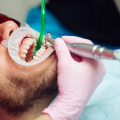
- Using specialized tools, the hygienist will remove plaque and tartar buildup from your teeth. This is often done with a scaler, which can be manual or ultrasonic.
- The ultrasonic scaler uses vibrations to break up tartar, while manual scalers allow for precise removal in hard-to-reach areas.
3.Polishing
- After the scaling process, your teeth will be polished using a gritty toothpaste-like substance. This step helps to remove any remaining plaque and stains, leaving your teeth smooth and shiny.
- A rubber cup or brush is typically used for this process, ensuring that every surface of your teeth is polished effectively.
4.Flossing and Rinsing
- The hygienist will then floss between your teeth to remove any debris that may have been missed during the cleaning process.
- You may also be given a rinse to help eliminate any remaining particles and bacteria.
5.Final Assessment and Recommendations
- Finally, the dentist will review your oral health status and discuss any necessary follow-up treatments or preventive measures.
- This may include recommendations for at-home care products or scheduling future cleanings based on your individual needs.
Regular visits to a dental hygienist can help maintain your oral health and keep your teeth looking their best.
Benefits of Regular Teeth Cleaning
Regular teeth cleaning is essential for maintaining optimal oral health and preventing a range of dental issues. One of the primary benefits of routine teeth cleaning is the removal of plaque and tartar buildup, which can lead to cavities and gum disease if left untreated.Oral Health Advantages:
- Prevention of Cavities: By regularly removing plaque, teeth cleaning helps to prevent the formation of cavities. Plaque contains bacteria that produce acids, which can erode tooth enamel and lead to decay.
- Gum Disease Prevention: Regular cleanings help to keep gums healthy by removing irritants that can cause inflammation. This reduces the risk of gingivitis and periodontitis, both of which can result in tooth loss if not addressed.
- Fresh Breath: Routine cleanings eliminate food particles and bacteria that contribute to bad breath, promoting a fresher mouth.
- Early Detection of Dental Issues: During a teeth cleaning appointment, dental professionals can identify early signs of potential problems, such as cavities or gum disease, allowing for timely intervention.
Studies have shown that poor oral health is linked to various systemic conditions, including heart disease and diabetes. By maintaining a clean mouth, you not only protect your teeth and gums but also contribute to your overall health.In conclusion, the advantages of regular teeth cleaning extend far beyond just a bright smile. It plays a crucial role in preventing dental issues, ensuring long-term oral health, and promoting overall wellness.
What is Teeth Whitening?
Teeth whitening is a cosmetic dental procedure aimed at enhancing the brightness of your smile by reducing discoloration and stains on the teeth. This process can significantly improve the aesthetic appeal of your teeth, making them appear whiter and more vibrant.There are several types of teeth whitening methods available, each with its own advantages:- In-Office Whitening: This professional treatment is performed by a dentist and typically involves the application of a high-concentration bleaching agent.
The results are immediate, often lightening teeth by several shades in just one session.
- At-Home Whitening Kits: These kits, provided by dentists or available over-the-counter, include custom trays and lower-concentration bleaching gels. While they may take longer to achieve desired results, they offer convenience and flexibility.
- Whitening Toothpaste: These products contain mild abrasives and chemical agents that help remove surface stains. While they can enhance brightness, they are less effective for deeper discoloration.
- Whitening Strips: Thin, flexible strips coated with a whitening gel can be applied directly to the teeth. They are easy to use and can provide noticeable results over time.
A brighter smile can boost your confidence and improve your overall appearance. Many individuals report feeling more self-assured in social situations after undergoing whitening treatments. Additionally, a whiter smile can create a positive impression in both personal and professional interactions.In summary, teeth whitening is an effective way to enhance your smile through various methods tailored to individual needs. Whether you choose professional treatments or at-home solutions, the aesthetic benefits can lead to increased confidence and satisfaction with your appearance.
Teeth Whitening Methods Explained
When it comes to achieving a brighter smile, understanding the different teeth whitening methods available is essential.These methods can be broadly categorized into two main types: in-office whitening and at-home whitening kits.
In-Office Whitening
In-office whitening treatments are performed by dental professionals and typically offer the most immediate and dramatic results. During this procedure, a high-concentration bleaching agent is applied to the teeth, often activated by a special light or laser. This method usually takes about an hour and can lighten teeth by several shades in just one visit.- Advantages:
- Quick results, often within an hour.
- Supervised by a dental professional, ensuring safety and effectiveness.
- Customizable treatment based on individual needs.
- Disadvantages:
- Higher cost compared to at-home options.
- Requires a visit to the dentist.
At-Home Whitening Kits
At-home whitening kits, on the other hand, provide a more convenient option for those who prefer to whiten their teeth at their own pace. These kits often include trays and a lower concentration bleaching gel that can be used over several days or weeks.While they may take longer to show results compared to in-office treatments, they can still be effective when used correctly.
- Advantages:
- More affordable than in-office treatments.
- Convenient and can be done at home.
- No need for dental appointments.
- Disadvantages:
- Takes longer to see results.
- Results may vary based on user compliance and technique.
Comparing Teeth Cleaning and Teeth Whitening
When considering oral health, teeth cleaning and teeth whitening serve different purposes, each contributing uniquely to your dental care routine. Understanding the differences between these two treatments can help you make informed decisions about your oral hygiene.Differences Between Cleaning and Whitening
Teeth cleaning, often performed by a dental professional, focuses on removing plaque, tartar, and stains from the surface of the teeth. This procedure is essential for maintaining gum health and preventing cavities.During a cleaning session, tools like ultrasonic scalers and hand instruments are used to thoroughly clean the teeth, followed by polishing to enhance their shine.On the other hand, teeth whitening is a cosmetic procedure aimed at enhancing the brightness of your teeth. This treatment typically involves bleaching agents that penetrate the enamel to lighten discoloration caused by factors such as aging, food, and beverages like coffee or red wine. While whitening can significantly improve the appearance of your smile, it does not address underlying dental health issues.
When to Choose Each Treatment
- Choose Teeth Cleaning: If you are due for a routine dental check-up or have not had a cleaning in over six months. Regular cleanings are crucial for preventing gum disease and maintaining overall oral health.
- Choose Teeth Whitening: If you are looking to enhance your smile for a special occasion or simply want to boost your confidence with a brighter smile.
It’s best to consult with your dentist to determine if your teeth are suitable for whitening treatments.
Common Myths About Teeth Cleaning and Whitening
When it comes to teeth cleaning and teeth whitening, there are several myths that can lead to confusion. Understanding these misconceptions is crucial for maintaining good dental health.- Myth 1: Teeth cleaning is the same as teeth whitening. Many people believe that a professional cleaning will also whiten their teeth.
While a cleaning removes plaque and tartar, it does not change the color of your teeth. Whitening treatments specifically target stains and discoloration.
- Myth 2: You only need to get your teeth cleaned if they hurt. This is a dangerous misconception. Regular teeth cleaning is essential for preventing gum disease and cavities, even if you don’t experience pain. Dentists recommend cleanings every six months.
- Myth 3: Teeth whitening damages enamel. While overuse of certain whitening products can lead to sensitivity, professional whitening procedures are designed to be safe and effective.
They often include protective measures for your enamel.
- Myth 4: All whitening products are the same. Not all whitening products are created equal. Over-the-counter options may not provide the same results as professional treatments, which are tailored to your specific needs.
- Myth 5: You can skip dental visits if you use whitening products at home. Home whitening products can enhance your smile, but they do not replace the need for regular dental check-ups and cleanings. Professional care is vital for overall oral health.
Conclusion: Making Informed Choices for Your Dental Health
In conclusion, understanding the differences between teeth cleaning and teeth whitening is essential for making informed choices about your dental health.While both procedures play a significant role in maintaining a healthy smile, they serve distinct purposes and should be approached with different expectations.
Teeth cleaning
is primarily focused on oral hygiene. It involves the removal of plaque, tartar, and stains from the surface of the teeth, which helps prevent cavities and gum disease. Regular professional cleanings are recommended every six months to ensure optimal dental health. This preventive measure not only keeps your teeth looking their best but also contributes to overall health by reducing the risk of systemic diseases linked to poor oral hygiene.On the other hand, teeth whitening is a cosmetic procedure aimed at enhancing the appearance of your smile.It targets discoloration caused by various factors such as aging, diet, and lifestyle choices. While whitening can significantly improve the aesthetic appeal of your teeth, it does not address underlying dental issues like decay or gum disease.When considering your dental care options, it’s crucial to:
- Consult with a dental professional: They can provide personalized recommendations based on your specific needs.
- Prioritize regular cleanings: Maintaining good oral hygiene should always come first.
- Evaluate whitening options: If you choose to whiten your teeth, explore safe and effective methods that suit your lifestyle.