Maintaining optimal oral health is a lifelong journey, and regular teeth cleanings play a pivotal role in this process. These professional cleanings, typically performed by a dental hygienist, are essential for removing plaque and tartar buildup that regular brushing and flossing may miss. As we age, the importance of these cleanings becomes even more pronounced, as our teeth and gums undergo various changes that can affect their health. The benefits of regular dental cleanings extend beyond just a brighter smile. They help prevent serious dental issues such as cavities, gum disease, and even tooth loss.
Moreover, routine cleanings can lead to early detection of potential problems, allowing for timely intervention. This proactive approach is particularly crucial for older adults, who may face increased risks due to factors like medication side effects or underlying health conditions. In essence, understanding the significance of teeth cleaning is vital for everyone, but especially for those in different age brackets. As we delve deeper into how age influences the need for these essential dental visits, it becomes clear that prioritizing oral hygiene through regular cleanings is a key component of maintaining overall health and well-being throughout our lives.
Teeth Cleaning: What It Involves
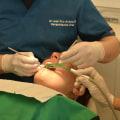
Teeth cleaning is a crucial part of maintaining oral health, and understanding what it involves can help demystify the process. During a typical dental visit, the cleaning procedure is usually performed by a dental hygienist and consists of several key steps.- Initial Examination: Before the cleaning begins, the dentist or hygienist will conduct a thorough examination of your mouth.
This may include checking for signs of gum disease, cavities, or other dental issues.
- Scaling: The first major step in the teeth cleaning process is scaling. Using specialized tools, the hygienist removes plaque and tartar buildup from the surfaces of your teeth, especially around the gum line. This step is essential as plaque can harden into tartar, which can only be removed by a professional.
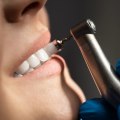
- Polishing: After scaling, your teeth will be polished using a gritty toothpaste and a high-powered electric toothbrush. This step not only makes your teeth feel smooth but also helps to remove any remaining plaque and surface stains.
- Flossing: Following polishing, the hygienist will floss between your teeth to ensure that all debris is removed from hard-to-reach areas.
This step is vital for preventing cavities and gum disease.
- Fluoride Treatment: In many cases, a fluoride treatment may be applied at the end of the cleaning. This helps to strengthen tooth enamel and provides additional protection against decay.
How Age Affects Oral Health
As we age, our bodies undergo various changes, and our oral health is no exception.The relationship between age and teeth cleaning is significant, as older adults often face unique dental challenges that can necessitate more frequent cleanings.One of the primary factors affecting oral health in older adults is the natural wear and tear on teeth. Over time, enamel can erode, making teeth more susceptible to decay and sensitivity. This increased vulnerability often leads to a higher risk of cavities, which can require more frequent teeth cleanings to manage.Additionally, aging can impact the gums. Conditions such as gum disease, which is more prevalent in older populations, can lead to inflammation and infection.
Regular teeth cleaning becomes essential not only for removing plaque but also for preventing the progression of gum disease, which can result in tooth loss if left untreated.
Factors Influencing Dental Care Needs with Age:
- Decreased Saliva Production: As we age, saliva production may decrease, leading to dry mouth. This condition increases the risk of cavities and necessitates more frequent dental visits for cleanings.
- Chronic Health Conditions: Many older adults manage chronic conditions such as diabetes or heart disease, which can complicate oral health. These conditions often require tailored dental care and regular cleanings to maintain overall health.
- Medications: Certain medications can have side effects that impact oral health, such as dry mouth or gum overgrowth. Regular teeth cleaning helps mitigate these effects and maintain dental hygiene.
Understanding how age affects oral health is crucial for older adults to prioritize their teeth cleaning routines and seek professional care as needed. By doing so, they can maintain a healthy smile well into their later years.
Teeth Cleaning Needs by Age Group
Understanding how age influences the need for teeth cleaning is crucial for maintaining optimal oral health. Different life stages come with unique dental care requirements, making it essential to tailor cleaning schedules accordingly.Dental Care for Children
For children, the American Dental Association recommends that teeth cleanings begin by age one or within six months of the first tooth erupting. Regular visits every six months are ideal to monitor the development of their teeth and gums.During these visits, dental professionals can:
- Apply fluoride treatments to strengthen enamel.
- Provide sealants to protect against cavities.
- Educate parents and children on proper brushing and flossing techniques.
Dental Care for Adults
Adults typically require teeth cleanings every six to twelve months, depending on their oral health status. Factors such as:- History of gum disease
- Smoking habits
- Dietary choices
- Overall health conditions (e.g., diabetes)
Dental Care for Seniors
Seniors often face unique challenges that can affect their dental health, such as dry mouth or medications that impact oral hygiene. As a result, it is advisable for seniors to have teeth cleanings every three to six months.This more frequent schedule helps manage:
- The risk of gum disease, which can escalate with age.
- Cavities in older adults, particularly around existing fillings.
- The overall maintenance of oral health, which is crucial for quality of life.
Common Dental Issues at Different Ages
Understanding how age influences dental health is crucial for maintaining optimal oral hygiene. Different life stages present unique challenges and common dental issues that can significantly affect the need for regular teeth cleaning.Dental Problems in Children
During childhood, the primary focus is on the development of healthy teeth. Common issues include:- Cavities: Children are particularly susceptible to cavities due to sugary diets and inadequate brushing habits.
- Misalignment: As children grow, their teeth may not align properly, leading to potential orthodontic issues.
- Gum Disease: Although less common, early signs of gum disease can occur if proper dental hygiene is neglected.
Dental Problems in Adults
As individuals transition into adulthood, they face different dental challenges:- Cavities and Tooth Decay: Adults may experience increased tooth decay due to lifestyle choices and dietary habits.
- Gum Disease: This becomes more prevalent as adults age, often exacerbated by factors such as smoking or diabetes.
- Tooth Sensitivity: Many adults report increased sensitivity due to enamel wear or gum recession.
Dental Problems in Seniors
Seniors face unique dental challenges that can impact their overall health:- Xerostomia (Dry Mouth): Often caused by medications, dry mouth increases the risk of cavities and gum disease.
- Dental Wear: Natural wear and tear can lead to cracks or fractures in teeth, necessitating more frequent cleanings.
- Denture Care: For those with dentures, regular cleanings are vital to maintain oral hygiene and prevent infections.
Preventive Care: The Role of Regular Cleanings
As individuals age, the importance of regular teeth cleanings becomes increasingly evident. Preventive dental care is essential for maintaining oral health and preventing more serious issues that can arise over time.Regular cleanings not only help in removing plaque and tartar buildup but also play a crucial role in identifying potential problems before they escalate.
The Role of Teeth Cleaning in Prevention
- Early Detection: During routine cleanings, dental professionals can spot early signs of gum disease, cavities, and other oral health issues. Early intervention can save patients from more extensive treatments later on.
- Reduction of Gum Disease: As we age, the risk of gum disease increases. Regular cleanings help to keep the gums healthy by removing harmful bacteria and reducing inflammation.
- Maintaining Overall Health: There is a growing body of evidence linking oral health to overall health. Conditions such as heart disease and diabetes can be exacerbated by poor dental hygiene.
Regular teeth cleanings contribute to better overall health outcomes.
Benefits of Preventive Dentistry
- Cost-Effective: Investing in preventive care through regular teeth cleanings can save money in the long run by avoiding costly procedures associated with advanced dental issues.
- Enhanced Aesthetic Appeal: Clean teeth contribute to a brighter smile, which can boost confidence and improve social interactions.
- Education and Guidance: Dental professionals provide valuable advice on proper oral hygiene practices tailored to individual needs, especially as one ages.
FAQs About Teeth Cleaning and Age
As individuals age, their dental care needs evolve, leading to several common questions about teeth cleaning frequency and practices. Here are some frequently asked questions regarding teeth cleaning and age:- How often should older adults get their teeth cleaned?
Generally, older adults should aim for professional teeth cleaning every six months. However, those with specific dental issues or a history of gum disease may require more frequent visits, such as every three to four months. - Does age affect the buildup of plaque and tartar?
Yes, as we age, the risk of plaque and tartar buildup increases due to factors like decreased saliva production and changes in oral hygiene habits.Regular teeth cleaning helps mitigate these risks.
- Are there special considerations for seniors regarding teeth cleaning?
Seniors may have unique dental needs, including sensitivity, gum recession, or the presence of dentures. It's essential to discuss these factors with a dentist to tailor a suitable cleaning schedule. - Can poor oral hygiene in older age lead to serious health issues?
Absolutely. Poor oral hygiene can contribute to systemic health problems such as heart disease and diabetes. Regular teeth cleaning is crucial for maintaining overall health. - What should I expect during a teeth cleaning appointment?
During a typical appointment, a dental hygienist will remove plaque and tartar buildup, polish your teeth, and provide guidance on effective home care practices tailored to your age-related needs.
Conclusion: Maintaining Oral Health Across the Lifespan
In conclusion, understanding how age influences the need for regular teeth cleanings is crucial for maintaining optimal oral health throughout one’s life.As we age, our dental needs evolve, necessitating a more tailored approach to dental care. For younger individuals, routine teeth cleaning may suffice to prevent cavities and gum disease. However, as we transition into middle age and beyond, the risk of dental issues increases due to factors such as:
- Decreased saliva production: This can lead to dry mouth, increasing the likelihood of tooth decay.
- Gum recession: Older adults often experience gum recession, which can expose tooth roots and make them more susceptible to decay.
- Chronic health conditions: Conditions like diabetes and heart disease can complicate oral health, making regular cleanings even more essential.
Prioritizing these practices will ensure that you maintain not just your teeth but also your overall health as you navigate through different life stages.