Maintaining oral health during pregnancy is crucial, not only for the mother but also for the developing fetus. Hormonal changes can significantly affect a woman's dental health, making it essential to prioritize dental care throughout this period. Regular visits to the dentist, including teeth cleaning, can help prevent common issues such as gum disease and cavities, which can have implications for both maternal and fetal health. However, many expectant mothers may have concerns about the safety of undergoing dental procedures like teeth cleaning. While routine dental care is generally safe during pregnancy, it is important to be aware of potential risks and considerations.
For instance, some women may experience heightened sensitivity or nausea due to hormonal fluctuations, which can make a teeth cleaning appointment feel more uncomfortable than usual. Additionally, certain dental treatments may need to be postponed until after childbirth. Understanding these nuances is vital for pregnant women to make informed decisions about their dental care. In the following sections, we will delve deeper into the specific risks associated with teeth cleaning during pregnancy and provide guidance on how to navigate these challenges while ensuring optimal oral health.
The Importance of Oral Health in Pregnancy
Maintaining oral health during pregnancy is not just about keeping your smile bright; it plays a vital role in the overall health of both the mother and the developing fetus. Hormonal changes during pregnancy can affect a woman’s dental health, making her more susceptible to conditions such as gingivitis and other periodontal diseases.These conditions can lead to inflammation and infection, which may have serious implications for both maternal and fetal health.Research has shown that poor dental hygiene can be linked to complications such as preterm birth and low birth weight. This underscores the importance of regular dental check-ups and cleanings during pregnancy. By prioritizing dental care, pregnant women can significantly reduce their risk of these complications.
Benefits of Dental Care During Pregnancy
- Prevention of Gum Disease: Regular teeth cleanings help prevent gum disease, which is crucial as it can lead to systemic issues affecting pregnancy.
- Management of Oral Pain: Addressing any dental issues early on can prevent pain and discomfort that may arise during pregnancy.
- Education on Oral Hygiene: Dental visits provide an opportunity for pregnant women to receive tailored advice on maintaining oral hygiene during this critical time.
- Monitoring Changes: Dentists can monitor changes in oral health that may occur due to hormonal fluctuations, ensuring timely intervention if necessary.
Women should feel empowered to seek dental care without fear, as the benefits far outweigh any potential risks associated with teeth cleaning.
Common Dental Procedures During Pregnancy
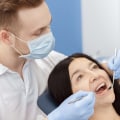
During pregnancy, maintaining oral health is crucial, and many women may wonder about the safety of teeth cleaning and other dental procedures. Regular dental checkups are not only safe but also recommended during pregnancy to prevent potential complications.Teeth cleaning
, a routine procedure that involves the removal of plaque and tartar buildup, is generally considered safe for pregnant women. In fact, hormonal changes during pregnancy can increase the risk of gum disease, making it even more important to keep up with dental hygiene.Safety of Dental Procedures
Most dental procedures are safe during pregnancy, especially those that are non-invasive. Here are some common procedures:- Teeth Cleaning: As mentioned, this procedure is safe and can help prevent gum disease.
- Dental Checkups: Regular checkups allow dentists to monitor oral health and address any issues early.
- X-rays: While typically avoided in the first trimester, dental X-rays can be performed with proper shielding if necessary.
- Fillings: If a cavity is detected, fillings can be done safely during pregnancy, preferably in the second trimester.
This allows the dental team to take necessary precautions and choose appropriate treatment options. Additionally, scheduling dental visits during the second trimester is often recommended as this period is generally more comfortable for expectant mothers.In conclusion, dental procedures, including teeth cleaning, are not only safe but also beneficial during pregnancy. Maintaining good oral health can contribute to overall well-being for both the mother and the developing baby.
Potential Risks of Teeth Cleaning While Pregnant
While teeth cleaning is generally safe and recommended for maintaining oral health, there are specific risks associated with teeth cleaning during pregnancy that expectant mothers should be aware of. Understanding these potential complications can help in making informed decisions about dental care during this critical time.Hormonal Changes Pregnancy triggers significant hormonal fluctuations, which can lead to increased sensitivity in the gums.This heightened sensitivity may result in discomfort or bleeding during a teeth cleaning. For some women, this can make the experience more painful than usual.Infection Risks Another concern is the risk of infection. If a dental hygienist or dentist is not following strict hygiene protocols, there is a potential risk of introducing bacteria into the bloodstream, which could affect both the mother and the fetus. It’s crucial to ensure that the dental office adheres to all safety guidelines.X-rays and Anesthesia During a teeth cleaning, dental professionals may recommend X-rays to assess oral health.
However, exposure to radiation can pose risks during pregnancy. If X-rays are necessary, protective measures such as lead aprons should be used. Additionally, some anesthetics may not be safe for pregnant women, so it’s essential to discuss any medications used during the procedure with your dentist.Timing of Dental Visits The timing of dental visits can also impact safety. The second trimester is often considered the safest period for teeth cleaning, as the risk of miscarriage is lower and the mother is typically more comfortable than in the first or third trimesters. In conclusion, while teeth cleaning is an important aspect of maintaining oral health during pregnancy, it’s essential to be aware of these potential risks.
Consulting with a healthcare provider and a dentist can help mitigate these concerns and ensure a safe experience.
Safety Precautions for Dental Visits During Pregnancy
When it comes to teeth cleaning during pregnancy, ensuring safety for both the mother and the developing baby is paramount. Here are some essential precautions and tips to consider when scheduling your dental visits:- Consult Your Healthcare Provider: Before making an appointment, discuss your dental health with your obstetrician. They can provide personalized advice based on your pregnancy stage and overall health.
- Timing Matters: The second trimester is often considered the safest time for dental procedures, including teeth cleaning. During this period, the risk of complications is lower compared to the first and third trimesters.
- Inform Your Dentist: Always inform your dentist that you are pregnant.
This allows them to take necessary precautions and adjust their approach to your care.
- Avoid Certain Procedures: While routine teeth cleaning is generally safe, avoid elective procedures such as cosmetic dentistry until after childbirth.
- Minimize X-rays: If X-rays are necessary, ensure that proper shielding is used to protect your abdomen. Many dentists will postpone X-rays until after delivery unless absolutely necessary.
- Stay Comfortable: Pregnancy can make lying back in a dental chair uncomfortable. Communicate with your dentist about any discomfort you experience during the procedure.
- Maintain Good Oral Hygiene: Regular brushing and flossing at home can help reduce the need for extensive dental work during pregnancy. This proactive approach can minimize risks associated with dental visits.
Remember, maintaining oral hygiene is crucial not only for your health but also for the well-being of your baby.
What to Discuss with Your Dentist Before a Cleaning
Before undergoing a teeth cleaning while pregnant, it is crucial to have an open dialogue with your dentist. Here are some important questions and topics to discuss:- Your Pregnancy Stage: Inform your dentist about how far along you are in your pregnancy. Different trimesters may have varying recommendations regarding dental procedures.
- Medical History: Share any medical conditions or complications related to your pregnancy. This information can help your dentist tailor their approach to your dental care.
- Medications: Discuss any medications or supplements you are currently taking.
Some medications may affect dental treatment or the safety of certain procedures.
- Dental X-rays: Ask about the necessity of dental X-rays during your cleaning. Your dentist can explain the safety measures in place to protect both you and your baby.
- Anesthesia Options: If you require anesthesia for your cleaning, inquire about the safest options available during pregnancy.
- Oral Health Concerns: Bring up any specific oral health issues you may be experiencing, such as gum sensitivity or bleeding, which can be exacerbated during pregnancy.
Alternatives to Teeth Cleaning During Pregnancy
For pregnant women concerned about the safety of teeth cleaning, there are several alternatives to consider that can help maintain oral hygiene without the potential risks associated with traditional dental cleanings.1.Regular Brushing and Flossing
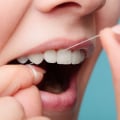
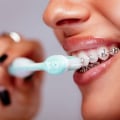
The most effective way to maintain oral health during pregnancy is through diligent brushing and flossing.Pregnant women should brush their teeth at least twice a day with fluoride toothpaste and floss daily to remove plaque and food particles. This routine can significantly reduce the risk of gum disease and cavities.
2.Use of Antimicrobial Mouthwash
Incorporating an antimicrobial mouthwash into your daily routine can help control bacteria in the mouth. Look for alcohol-free options, as they are gentler on sensitive gums, which may be more prone to irritation during pregnancy.3.Dietary Adjustments
A balanced diet rich in vitamins and minerals is crucial for both maternal and dental health. Foods high in calcium, such as dairy products, leafy greens, and almonds, can strengthen teeth.Additionally, limiting sugary snacks can help prevent cavities.
4.Professional Consultations
If dental issues arise, it’s essential to consult with a dentist who understands the unique needs of pregnant patients. They may recommend non-invasive dental care options or treatments that are safe during pregnancy.5.Regular Dental Check-ups
While some women may choose to postpone teeth cleaning, regular check-ups are still important. Dentists can monitor oral health and provide guidance on safe practices during pregnancy.By adopting these alternatives, pregnant women can effectively manage their oral hygiene while minimizing any potential risks associated with traditional teeth cleaning procedures.FAQs About Teeth Cleaning and Pregnancy
When it comes to teeth cleaning during pregnancy, many women have questions and concerns. Here are some frequently asked questions that can help clarify common misconceptions:- Is it safe to get a teeth cleaning while pregnant?
Yes, it is generally safe to have a teeth cleaning during pregnancy.In fact, maintaining good oral hygiene is crucial for both the mother and the developing baby. Regular dental check-ups can help prevent gum disease, which has been linked to preterm birth.
- Should I wait until after my pregnancy for dental work?
While routine cleanings are safe, it’s advisable to postpone any non-emergency dental procedures until after the baby is born. However, if you experience pain or other urgent dental issues, consult your dentist for guidance. - Are there any risks associated with teeth cleaning during pregnancy?
The primary risk is related to the use of certain medications or anesthesia. Always inform your dentist about your pregnancy so they can use safe alternatives.Additionally, some women may experience increased sensitivity during pregnancy due to hormonal changes.
- What about X-rays during teeth cleaning?
Dental X-rays are generally avoided during pregnancy unless absolutely necessary. If X-rays are required, your dentist will take precautions such as using a lead apron to protect the abdomen. - Can I use fluoride treatments while pregnant?
Fluoride treatments are considered safe and can be beneficial in preventing cavities. Discuss with your dentist if you should incorporate fluoride into your dental care routine during pregnancy.
- Myth: Dental care can harm the baby.
Fact: Proper dental care is essential for maternal health and does not harm the baby when performed by a qualified professional. - Myth: You should avoid all dental visits during pregnancy.
Fact: Regular check-ups and cleanings are important for preventing complications.
Conclusion: Balancing Oral Health and Safety During Pregnancy
In conclusion, maintaining oral health during pregnancy is crucial, not only for the mother but also for the developing fetus. While teeth cleaning is generally safe and recommended, it is essential to consider the potential risks and consult with healthcare professionals before proceeding with any dental procedures. Throughout this article, we have highlighted several key points regarding the safety of teeth cleaning during pregnancy:- Timing: The second trimester is often considered the safest period for dental visits, as morning sickness typically subsides and the risk of complications is lower.
- Anesthesia and Medications: Pregnant women should inform their dentist about their condition to avoid any medications or anesthetics that may pose risks to the fetus.
- Infection Control: Dental cleanings can help prevent gum disease, which has been linked to preterm labor and low birth weight.
This collaboration ensures that any dental care, including teeth cleaning, aligns with their overall health plan. Regular dental check-ups can help monitor oral health and address any concerns that may arise during pregnancy. Ultimately, prioritizing oral hygiene while being mindful of safety considerations can lead to a healthier pregnancy. By staying informed and seeking professional advice, expectant mothers can effectively balance their dental needs with their health and safety.