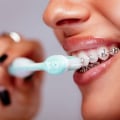
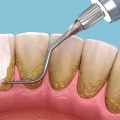
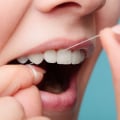
Maintaining optimal oral hygiene is crucial for overall health, and one of the most effective ways to achieve this is through regular teeth cleaning appointments. These professional cleanings, typically performed by a dental hygienist, involve the removal of plaque, tartar, and stains that accumulate on the teeth over time. While daily brushing and flossing are essential, they often cannot reach every nook and cranny in the mouth, making professional cleanings an indispensable part of a comprehensive dental care routine. During a typical dental cleaning, the hygienist will use specialized tools to thoroughly clean your teeth and gums. This process not only helps prevent cavities and gum disease but also promotes fresher breath and a brighter smile.
After the cleaning, many patients receive personalized advice on how to improve their at-home oral care practices, ensuring that they can maintain their dental health between visits. Understanding what happens during a teeth cleaning appointment can help alleviate any concerns you may have about sensitivity or discomfort afterward. It’s important to recognize that while some individuals may experience temporary sensitivity following a cleaning, this is often a normal response to the removal of built-up deposits on the teeth. By prioritizing regular dental cleanings, you are taking a significant step towards preserving your oral health and preventing more serious dental issues in the future.
What Causes Sensitivity After Teeth Cleaning?
Experiencing sensitivity after a teeth cleaning appointment is not uncommon, and several factors can contribute to this discomfort. Understanding these causes can help you manage your expectations and take appropriate steps for relief.Gum Irritation
One of the primary reasons for sensitivity post-cleaning is gum irritation.During the cleaning process, dental hygienists use various tools to remove plaque and tartar buildup. This can sometimes lead to minor abrasions or inflammation of the gums, especially if you have pre-existing gum issues. As the gums heal, you may experience temporary sensitivity.
Enamel Exposure
Another factor is the exposure of enamel. The cleaning process often involves scaling, which removes hardened plaque from the teeth.If your enamel is already thin or worn, this procedure can make your teeth more sensitive to temperature changes or certain foods. The removal of plaque also exposes areas that may have been previously protected, leading to heightened sensitivity.
Dental Tools and Techniques
The specific dental tools and techniques used during your cleaning can also play a role in post-appointment sensitivity. For instance, ultrasonic scalers are effective but can sometimes cause more discomfort than traditional hand instruments. Additionally, if a hygienist applies too much pressure while cleaning, it may lead to soreness and sensitivity.Fluoride Treatments
Lastly, some patients may experience sensitivity due to fluoride treatments applied after cleaning.While fluoride is beneficial for strengthening teeth, some individuals may react sensitively to it, resulting in temporary discomfort. If you find that your sensitivity persists beyond a few days or becomes severe, it’s essential to consult with your dentist. They can assess your situation and recommend appropriate treatments or adjustments for future cleanings.
Is Sensitivity Normal After Teeth Cleaning?
Experiencing sensitivity after a teeth cleaning appointment is a common concern among patients. Many individuals report heightened sensitivity to hot, cold, or sweet stimuli following their dental cleaning, which can lead to questions about whether this is a normal reaction.What Causes Post-Cleaning Sensitivity?
- Removal of Plaque and Tartar: During a teeth cleaning, dental professionals remove plaque and tartar buildup from the surface of your teeth. This process can expose areas that may have been previously protected, leading to temporary sensitivity.
- Use of Dental Tools: The instruments used during the cleaning process, such as ultrasonic scalers or hand instruments, can sometimes irritate the gums and tooth surfaces, contributing to discomfort.
- Fluoride Treatments: While fluoride treatments are beneficial for strengthening enamel, some patients may experience sensitivity as a side effect immediately after application.
How Long Does Sensitivity Last?
For most patients, any sensitivity experienced after a teeth cleaning is temporary.
It typically subsides within a few hours to a couple of days. However, if sensitivity persists beyond this timeframe, it is advisable to consult with your dentist.
When to Be Concerned
- If the sensitivity is severe or lasts longer than a few days.
- If you notice swelling or bleeding in your gums.
- If you experience pain that interferes with your daily activities.
How Long Does Sensitivity Last?
After a teeth cleaning appointment, it is common for patients to experience some level of sensitivity. However, the duration of this sensitivity can vary significantly from person to person.Generally, most individuals will notice that their sensitivity lasts anywhere from a few hours to a couple of days.
Factors Influencing Sensitivity Duration
- Type of Cleaning: The intensity of the cleaning can affect recovery time. A deep cleaning may lead to more prolonged sensitivity compared to a routine cleaning.
- Personal Oral Health: Individuals with pre-existing dental issues, such as gum disease or worn enamel, may experience heightened sensitivity that lasts longer.
- Products Used: The use of certain polishing agents or fluoride treatments during the cleaning can also influence how long sensitivity persists.
- Post-Cleaning Care: Following your dentist's aftercare instructions, such as avoiding hot or cold foods and beverages, can help minimize discomfort and speed up recovery.
Managing Sensitivity After Teeth Cleaning
Experiencing sensitivity after a teeth cleaning appointment is common, but there are effective ways to manage this discomfort.Here are some practical tips and strategies to help alleviate sensitivity:
1.Use Desensitizing Toothpaste
Switching to a desensitizing toothpaste can significantly reduce sensitivity. These products contain compounds that block transmission of pain signals from the tooth surface to the nerve. Look for brands that specifically mention sensitivity relief on the label.2.Avoid Certain Foods and Beverages
After your cleaning, it’s wise to avoid extremely hot or cold foods, as well as acidic items like citrus fruits and sodas, which can exacerbate sensitivity. Stick to lukewarm foods and soft textures for a few days.3.Maintain Good Oral Hygiene
Continue practicing good oral hygiene by brushing gently with a soft-bristled toothbrush and flossing daily.This helps keep your gums healthy and reduces the risk of further sensitivity.
4.Rinse with Salt Water
A warm salt water rinse can soothe irritated gums and help reduce inflammation. Mix about half a teaspoon of salt in a glass of warm water and rinse your mouth gently.5.Consider Over-the-Counter Pain Relief
If sensitivity persists, over-the-counter pain relievers such as ibuprofen or acetaminophen can provide temporary relief. Always follow the recommended dosage instructions.6.Consult Your Dentist
If you find that sensitivity continues beyond a few days or worsens, it’s important to consult your dentist. They may recommend additional treatments, such as fluoride varnishes or sealants, to protect your teeth.By following these tips, you can effectively manage sensitivity after a teeth cleaning appointment and ensure a more comfortable recovery period.When to Contact Your Dentist About Sensitivity
After a teeth cleaning appointment, it’s not uncommon to experience some level of sensitivity.However, there are specific signs and symptoms that may indicate a need for further evaluation by your dentist. Recognizing these signs can help you determine whether your sensitivity is within the normal range or if it requires professional attention.
- Prolonged Sensitivity: If your sensitivity lasts more than a few days after the cleaning, it may be a sign of an underlying issue. Normal sensitivity should gradually diminish.
- Severe Pain: Experiencing sharp or severe pain when consuming hot, cold, or sweet foods and beverages is not typical. This could indicate a problem such as enamel erosion or gum recession.
- Swelling or Bleeding Gums: If you notice persistent swelling or bleeding in your gums after a cleaning, it’s essential to contact your dentist.
These symptoms could suggest an infection or other dental concerns.
- Changes in Bite: If you feel that your bite has changed or if there’s discomfort when biting down, this could indicate an issue with your dental work or alignment that needs to be addressed.
- Visible Damage: Any visible damage to your teeth, such as chips or cracks that were not present before the cleaning, should be evaluated by your dentist.
Frequently Asked Questions About Teeth Cleaning Sensitivity
Many patients have questions regarding teeth cleaning and the sensitivity that can follow the procedure. Here are some of the most frequently asked questions:- Is it normal to feel sensitivity after a teeth cleaning?
Yes, it is quite common to experience some level of sensitivity after a teeth cleaning.This can be due to the removal of plaque and tartar, which may expose areas of the tooth that are more sensitive. Sensitivity usually subsides within a few days.
- What causes sensitivity after a dental cleaning?
Sensitivity can arise from several factors, including:- Gum recession: If your gums have receded, the roots of your teeth may be exposed, leading to increased sensitivity.
- Tooth enamel wear: Over time, enamel can wear down, making teeth more susceptible to sensitivity.
- Use of certain dental tools: The instruments used during cleaning can sometimes irritate sensitive areas.
- How long does sensitivity last after teeth cleaning?
For most patients, any sensitivity experienced after a teeth cleaning should diminish within a few days. If it persists longer than a week, it’s advisable to consult your dentist. - What can I do to alleviate sensitivity?
To help manage sensitivity after your appointment, consider the following tips:- Use a toothpaste designed for sensitive teeth.
- Avoid extremely hot or cold foods and beverages for a few days.
- If necessary, take over-the-counter pain relievers as directed.
Conclusion: Key Takeaways on Sensitivity After Teeth Cleaning
Experiencing sensitivity after a teeth cleaning appointment is a common occurrence for many individuals. This sensitivity can vary in intensity and duration, often depending on several factors such as the individual's oral health, the type of cleaning performed, and the techniques used by the dental professional.Here are some key takeaways to consider:- Sensitivity is Normal: It is important to understand that mild to moderate sensitivity following a teeth cleaning is generally considered normal.
This can be attributed to the removal of plaque and tartar, which may have been protecting sensitive areas of your teeth.
- Duration of Sensitivity: For most patients, any sensitivity experienced should subside within a few days. However, if it persists or worsens, it is advisable to consult your dentist.
- Communication is Key: Always communicate with your dental professional about any concerns you have regarding sensitivity. They can provide tailored advice and may suggest desensitizing treatments or products to alleviate discomfort.
- Post-Cleaning Care: Following your appointment, consider using a soft-bristled toothbrush and fluoride toothpaste designed for sensitive teeth. This can help minimize discomfort while maintaining oral hygiene.
Always prioritize open communication with your dentist to ensure that any issues are addressed promptly and effectively.