Maintaining optimal dental hygiene is crucial for overall health, and one of the key components of this is regular teeth cleaning. Professional teeth cleaning not only helps in removing plaque and tartar buildup but also plays a significant role in preventing various dental issues such as cavities, gum disease, and bad breath. Many people underestimate the importance of these cleanings, often viewing them as a luxury rather than a necessity. However, understanding the significance of professional cleanings can lead to better oral health and a brighter smile. Teeth cleaning is more than just a cosmetic procedure; it is an essential part of preventive care.
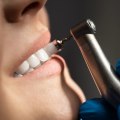
During a professional cleaning, dental hygienists use specialized tools to thoroughly clean your teeth, reaching areas that regular brushing and flossing may miss. This process not only removes harmful bacteria but also polishes your teeth, making them less susceptible to future decay. By prioritizing regular cleanings, you are investing in your long-term health and well-being. As we delve deeper into the signs that indicate you may need a professional teeth cleaning, it’s important to recognize that neglecting this vital aspect of dental hygiene can lead to more serious health complications down the line. From persistent bad breath to visible tartar buildup, being aware of these warning signs can help you take proactive steps towards maintaining your oral health.
Common Signs You May Need a Professional Teeth Cleaning
Maintaining optimal oral health is crucial, and recognizing the signs that you may need a professional teeth cleaning can help prevent more serious dental issues down the line.Here are some common indicators that it might be time to schedule an appointment with your dentist:
- Persistent Bad Breath: If you find that your breath remains unpleasant despite regular brushing and flossing, it could be a sign of plaque buildup or gum disease, both of which can be addressed with a professional cleaning.
- Visible Tartar Buildup: Tartar, or calculus, forms when plaque hardens on your teeth. If you notice yellow or brown deposits on your teeth, it’s a clear indication that you need a cleaning.
- Gum Sensitivity or Bleeding: Experiencing pain or bleeding while brushing or flossing can signal gum disease. A professional cleaning can help remove irritants and reduce inflammation.
- Tooth Discoloration: If your teeth appear dull or stained, a professional cleaning can help restore their natural brightness by removing surface stains.
- Frequent Cavities: If you find yourself visiting the dentist for cavities more often than usual, it may be time for a thorough cleaning to eliminate plaque and bacteria that contribute to decay.
Taking proactive steps towards your dental health can lead to better outcomes and a brighter smile.
Increased Plaque and Tartar Buildup
Maintaining optimal dental hygiene is crucial for preventing the accumulation of plaque and tartar on your teeth. These substances can lead to serious oral health issues if not addressed promptly. Understanding the signs of excessive buildup can help you determine when it’s time to seek a professional teeth cleaning.Plaque
is a sticky film of bacteria that forms on your teeth throughout the day. If you notice a fuzzy feeling on your teeth, especially after eating, this could be an early sign of plaque buildup.
Over time, if plaque is not removed through regular brushing and flossing, it hardens into
tartar
, which can only be removed by a dental professional.
- Visible Discoloration: If you see yellow or brown stains on your teeth, this may indicate tartar buildup.
- Bad Breath: Persistent bad breath, or halitosis, can be a sign that plaque and tartar are present.
- Gum Issues: Swollen, red, or bleeding gums during brushing or flossing are clear indicators that you may need a professional cleaning.
- Sensitivity: Increased sensitivity to hot or cold foods and beverages can also signal excessive plaque and tartar.
- Brush your teeth at least twice a day with fluoride toothpaste.
- Floss daily to remove plaque from between your teeth.
- Use an antibacterial mouthwash to help reduce plaque buildup.
- Avoid sugary snacks and drinks that contribute to plaque formation.
Persistent Bad Breath (Halitosis)
One of the most common signs that you may need a professional teeth cleaning is persistent bad breath, also known as halitosis. While occasional bad breath can be caused by factors such as diet or dry mouth, chronic halitosis often indicates underlying dental issues that require attention.Bad breath
can stem from various causes, including:- Poor oral hygiene: Inadequate brushing and flossing can lead to plaque buildup, which harbors bacteria that produce foul-smelling compounds.
- Gum disease: Conditions like gingivitis and periodontitis can cause inflammation and infection in the gums, contributing to persistent bad breath.
- Cavities: Decayed teeth can trap food particles and bacteria, leading to unpleasant odors.
- Dry mouth: Saliva helps wash away food particles and bacteria.
A lack of saliva can result in a dry mouth, exacerbating bad breath.
Treatment Options for Halitosis
Treating halitosis often involves a combination of improved oral hygiene practices and professional interventions. Here are some common treatment options:- Professional teeth cleaning: A dental hygienist can remove plaque and tartar buildup that regular brushing may miss.
- Gum disease treatment: If gum disease is present, your dentist may recommend deep cleaning procedures to restore gum health.
- Oral hygiene education: Your dentist can provide personalized advice on effective brushing and flossing techniques to maintain fresh breath.
Gum Issues: Swelling and Bleeding
One of the most telling signs that you may need a professional teeth cleaning is the presence of gum issues, particularly swelling and bleeding.These symptoms are often indicative of gum disease, which can progress from mild gingivitis to more severe periodontitis if left untreated.
Swollen Gums
- If you notice that your gums appear red, swollen, or inflamed, this is a clear signal that your oral health may be compromised. Swollen gums can be a result of plaque buildup, which can irritate the gum tissue.
- In some cases, swollen gums may also be accompanied by discomfort or tenderness when brushing or flossing. This sensitivity can make it difficult to maintain proper oral hygiene, further exacerbating the problem.
Bleeding Gums Causes
- Bleeding gums during brushing or flossing is another significant warning sign. Healthy gums should not bleed; if they do, it may indicate inflammation caused by plaque accumulation.
- Other factors contributing to bleeding gums include hormonal changes, certain medications, and underlying health conditions such as diabetes.
However, regardless of the cause, persistent bleeding should prompt a visit to your dentist.
Tooth Sensitivity and Pain
Experiencing tooth sensitivity or pain can be alarming and is often a sign that you may need a professional teeth cleaning. Sensitivity can manifest as discomfort when consuming hot, cold, or sweet foods and beverages.This heightened sensitivity may be caused by several factors, including:
- Gum Recession: When gums pull away from the teeth, the sensitive roots become exposed, leading to increased sensitivity.
- Cavities: Decay can create openings in the enamel, making teeth more susceptible to temperature changes.
- Enamel Erosion: Over time, acidic foods and beverages can wear down enamel, resulting in pain and sensitivity.
- Dental Procedures: Recent dental work can temporarily increase sensitivity as your teeth adjust.
Tooth pain
can stem from various issues such as:- Infection: An abscessed tooth can cause severe pain and requires immediate attention.
- Cracked Teeth: A fracture can lead to sharp pain, especially when biting down.
- Sinus Issues: Sometimes, sinus infections can cause referred pain in the upper teeth.
Ignoring these signs could lead to more serious dental problems down the line, so don’t hesitate to seek help when needed.
Changes in Tooth Color or Texture
Changes in the appearance of your teeth can be a clear indicator that it’s time for a professional teeth cleaning. One of the most noticeable signs is tooth discoloration, which can occur for various reasons. Common causes include the consumption of staining foods and beverages, such as coffee, tea, and red wine, as well as tobacco use. Additionally, certain medications and poor oral hygiene can contribute to this issue.When you notice your teeth becoming yellowed or stained, it may be a signal that plaque and tartar buildup is affecting your dental aesthetics.Regular teeth cleanings help remove these deposits, restoring your teeth to their natural brightness.
Changes in Tooth Texture
Another sign that you may need a professional cleaning is a change in the texture of your teeth. Healthy teeth should feel smooth to the touch. If you notice a rough or gritty texture, it could indicate the presence of plaque or tartar. This buildup not only affects the appearance of your teeth but can also lead to more serious dental issues if left untreated.In addition to aesthetic concerns, changes in tooth texture can also impact your overall oral health.Rough surfaces can trap food particles and bacteria, increasing the risk of cavities and gum disease. A professional teeth cleaning will effectively remove these harmful deposits, promoting better oral hygiene.If you’re experiencing any changes in tooth color or texture, it’s essential to consult with your dentist. They can assess your situation and recommend appropriate treatments, including regular cleanings, to maintain both the health and appearance of your smile.
Regular Dental Checkups: How Often Should You Go?
Maintaining optimal oral health is crucial, and one of the key components of this is knowing how often to schedule dental checkups. Regular visits to your dentist not only help in keeping your teeth clean but also play a significant role in preventing more serious dental issues.Generally, it is recommended that individuals visit their dentist for a professional cleaning and checkup at least twice a year.However, the frequency can vary based on individual oral health needs:
- Healthy Teeth and Gums: If you have good oral hygiene practices and no history of dental issues, a biannual visit may suffice.
- History of Dental Problems: Those with a history of cavities, gum disease, or other dental issues may need to see their dentist every three to four months.
- Orthodontic Treatment: If you are undergoing orthodontic treatment, more frequent visits may be necessary to ensure that your teeth and gums remain healthy.
- Age Considerations: Children and seniors may require different schedules. Children should have regular checkups to monitor their developing teeth, while seniors may need more frequent visits due to changes in oral health.
Regular visits not only help in keeping your smile bright but also allow your dentist to catch potential problems early on, ensuring that your teeth and gums remain healthy for years to come.
FAQs About Professional Teeth Cleaning
When it comes to teeth cleaning, many people have questions about the process, its benefits, and what to expect. Here are some frequently asked questions that can help clarify common concerns and misconceptions.What is a professional teeth cleaning?
A professional teeth cleaning is a dental procedure performed by a licensed dental hygienist or dentist. It involves the removal of plaque, tartar, and stains from the teeth, as well as polishing and sometimes fluoride treatment to help protect against cavities.How often should I get my teeth cleaned?
Most dental professionals recommend having a professional teeth cleaning every six months. However, individuals with specific dental issues or higher risk for gum disease may need to schedule cleanings more frequently.Is professional teeth cleaning painful?
While some patients may experience mild discomfort during a teeth cleaning, it is generally not painful.Dental hygienists use various tools to ensure the process is as comfortable as possible. If you have sensitive teeth or gums, be sure to inform your hygienist beforehand.
What are the benefits of professional teeth cleaning?
- Prevention of gum disease: Regular cleanings help remove plaque and tartar that can lead to gingivitis and periodontitis.
- Cavity prevention: By keeping your teeth clean, you reduce the risk of cavities forming.
- Fresh breath: Professional cleanings eliminate bacteria that cause bad breath.
- Early detection: During a cleaning, your dentist can spot potential issues early on, allowing for timely treatment.
Can I skip my teeth cleaning if I brush and floss regularly?
While regular brushing and flossing are crucial for maintaining oral health, they cannot replace the thorough cleaning provided by a professional.Teeth cleaning
removes hardened plaque (tartar) that regular brushing cannot, ensuring your mouth stays healthy.If you have more questions about teeth cleaning, don’t hesitate to ask your dentist during your next visit. They can provide personalized advice based on your dental health needs.Conclusion: Prioritizing Your Oral Health with Professional Cleanings
In conclusion, recognizing the signs that indicate a need for professional teeth cleaning is essential for maintaining optimal oral health.Regular dental cleanings not only help in preventing serious dental issues but also contribute to your overall well-being. Throughout this article, we have discussed several key indicators that suggest it may be time to schedule a visit to your dentist:
- Persistent Bad Breath: If you find that your breath remains unpleasant despite regular brushing and flossing, it could be a sign of plaque buildup or gum disease.
- Visible Tartar Buildup: The presence of yellow or brown deposits on your teeth indicates that plaque has hardened into tartar, which can only be removed by a dental professional.
- Gum Sensitivity or Bleeding: Experiencing discomfort or bleeding while brushing or flossing is a clear signal that your gums may be inflamed and require attention.
- Changes in Oral Health: Any sudden changes, such as tooth sensitivity or pain, should prompt you to seek a professional cleaning and evaluation.