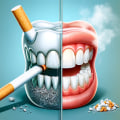
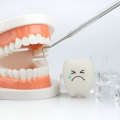
Teeth cleaning is a vital component of maintaining optimal oral health. It refers to the professional cleaning of teeth performed by a dental hygienist or dentist, aimed at removing plaque, tartar, and stains that accumulate over time. This process not only enhances the aesthetic appearance of your smile but also plays a crucial role in preventing dental diseases such as cavities and gum disease. The dental cleaning process typically involves several steps, including a thorough examination of the mouth, scaling to remove hardened plaque, and polishing to give teeth a smooth finish. Regular teeth cleaning appointments are essential for everyone, regardless of age, as they help in identifying potential issues early on and provide an opportunity for personalized oral hygiene education. Understanding what teeth cleaning entails is important for anyone looking to improve their oral health.
By committing to regular cleanings, you not only invest in your smile but also contribute to your overall well-being. The benefits extend beyond just the mouth; good oral hygiene has been linked to better heart health and reduced risk of systemic diseases. Therefore, recognizing the significance of this process is the first step towards achieving a healthier lifestyle.
The Importance of Regular Teeth Cleaning
Maintaining oral health is crucial for overall well-being, and one of the most effective ways to achieve this is through regular teeth cleaning. This practice not only enhances the appearance of your smile but also plays a vital role in preventing various dental issues.Regular teeth cleaning
helps in the prevention of cavities, which are caused by the buildup of plaque and bacteria on the teeth.When these substances are not removed, they can lead to tooth decay. By scheduling routine cleanings, you significantly reduce the risk of developing cavities, ensuring that your teeth remain strong and healthy.Another critical benefit of regular dental cleanings is the prevention of gum disease. Gum disease starts with gingivitis, characterized by inflammation and bleeding of the gums. If left untreated, it can progress to periodontitis, which can result in tooth loss.
Professional cleanings remove tartar and plaque that contribute to gum disease, promoting healthier gums and reducing the likelihood of serious complications.Additionally, regular teeth cleaning is essential for combating bad breath. Persistent bad breath often stems from poor oral hygiene and the accumulation of bacteria in the mouth. By keeping your teeth and gums clean, you can effectively eliminate the sources of bad breath, leading to fresher breath and increased confidence in social situations.In summary, prioritizing regular teeth cleaning is a proactive approach to maintaining your oral health. The benefits extend beyond just a bright smile; they include cavity prevention, reduced risk of gum disease, and fresher breath.
By investing in your dental hygiene through consistent cleanings, you are taking significant steps towards a healthier future.
The Teeth Cleaning Process: Step-by-Step
The teeth cleaning process is a vital part of maintaining oral health, and it typically involves several key steps. Understanding these steps can help alleviate any anxiety you may have about your dental visit.- Initial Examination: The process begins with a thorough examination of your mouth by the dentist or dental hygienist. They will check for any signs of gum disease, cavities, or other oral health issues. This step is crucial as it helps identify any areas that may need special attention during the cleaning.
- X-rays (if necessary): Depending on your dental history and the initial examination, X-rays may be taken to get a clearer picture of your teeth and jawbone.
This helps in detecting problems that are not visible to the naked eye.
- Scaling: The next step involves scaling, where the hygienist uses specialized tools to remove plaque and tartar buildup from your teeth. This is done both above and below the gum line. The scaling process is essential for preventing gum disease and cavities.
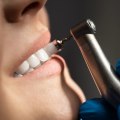
- Polishing: After scaling, your teeth will be polished using a gritty toothpaste-like substance. This step not only makes your teeth feel smooth but also helps remove any remaining plaque and stains, leaving your teeth looking brighter.
- Flossing: Once polishing is complete, the hygienist will floss between your teeth to ensure that all debris is removed from those hard-to-reach areas.
This step is important for maintaining healthy gums.
- Fluoride Treatment: Finally, a fluoride treatment may be applied to strengthen your enamel and help prevent cavities. This treatment usually involves applying a gel or foam that you will hold in your mouth for a few minutes.
Tools and Equipment Used in Teeth Cleaning
During a professional teeth cleaning session, dental hygienists utilize a variety of specialized tools and equipment to ensure a thorough and effective cleaning. Understanding these instruments can help demystify the process for patients and alleviate any anxiety associated with dental visits.- Ultrasonic Scaler: This tool uses high-frequency vibrations to break up plaque and tartar on the teeth.
It is particularly effective for removing stubborn deposits and is often used in conjunction with manual tools.
- Hand Instruments: These include scalers and curettes, which are used to manually scrape away plaque and tartar from the tooth surfaces. Hygienists are trained to use these tools with precision to avoid damaging the gums.
- Polishing Tools: After the teeth have been cleaned, a polishing tool is used to smooth the surfaces of the teeth. This tool often has a rotating rubber cup that applies a special polishing paste, helping to remove any remaining stains and leaving the teeth shiny.
- Air Abrasion Device: This innovative tool uses a stream of air mixed with fine particles to remove decay and surface stains without the need for traditional drilling. It can be particularly useful for small cavities or surface imperfections.
- Suction Device: A suction device is essential during the cleaning process to remove saliva, debris, and water from the mouth, ensuring that the hygienist has a clear view of the teeth while working.
This allows them to identify any underlying issues that may need attention during the cleaning process.Overall, each of these dental equipment pieces plays a crucial role in maintaining oral hygiene and ensuring that patients leave their appointments with cleaner, healthier teeth.
What to Expect During Your Appointment
When you arrive for your teeth cleaning appointment, the first step typically involves checking in at the reception desk. You may be asked to fill out some paperwork if it’s your first visit or update any existing information. This is also a good time to discuss any concerns you have regarding your oral health.Once you’re called back, a dental hygienist will greet you and guide you to the treatment room. They will begin by taking your medical history and asking about any changes since your last visit.This information is crucial as it helps the hygienist tailor the cleaning process to your specific needs.
What Happens During Teeth Cleaning?
The actual teeth cleaning process usually takes about 30 to 60 minutes, depending on the condition of your teeth and gums. Here’s what you can expect:- Initial Examination: The hygienist will examine your mouth for any signs of gum disease or cavities.
- Scaling: Using specialized tools, they will remove plaque and tartar buildup from your teeth, especially in hard-to-reach areas.
- Polishing: After scaling, your teeth will be polished with a gritty toothpaste to remove surface stains and make them shine.
- Flossing: The hygienist will floss between your teeth to ensure that all debris is removed.
- Fluoride Treatment: In many cases, a fluoride treatment may be applied to help strengthen your enamel and prevent cavities.
Preparing for Your Dental Visit
To make the most of your teeth cleaning appointment, consider these tips:- Brush and Floss: Maintain good oral hygiene leading up to your appointment by brushing twice a day and flossing daily.
- Avoid Certain Foods: Try to avoid sticky or hard foods before your visit, as they can leave residue that may complicate the cleaning process.
- Arrive Early: Arriving a few minutes early allows you to complete any necessary paperwork without feeling rushed.
Post-Cleaning Care: Maintaining Oral Hygiene
After undergoing a professional teeth cleaning, it is essential to adopt a diligent oral hygiene routine to maintain the benefits of the treatment. Here are some effective tips for post-teeth cleaning care:- Brush Twice Daily: Use a soft-bristled toothbrush and fluoride toothpaste to brush your teeth at least twice a day.
This helps remove plaque and food particles that can accumulate after your cleaning.
- Floss Daily: Flossing is crucial for removing debris from between your teeth and along the gum line, areas that your toothbrush may miss. Make it a habit to floss at least once a day.
- Use Mouthwash: An antimicrobial mouthwash can help reduce bacteria in your mouth, providing an extra layer of protection against plaque buildup and gum disease.
- Avoid Staining Foods and Drinks: After a cleaning, your teeth may be more susceptible to staining. Limit consumption of coffee, tea, red wine, and dark-colored foods for at least 24 hours.
- Stay Hydrated: Drinking plenty of water helps wash away food particles and bacteria, promoting a healthier mouth. It also aids in saliva production, which is essential for natural oral defense.
- Chew Sugar-Free Gum: Chewing sugar-free gum can stimulate saliva flow, which helps neutralize acids and wash away food particles, further protecting your teeth.
These visits allow your dentist to monitor your oral health and perform professional cleanings as needed. Remember, maintaining good oral hygiene is not just about the immediate effects of a teeth cleaning; it’s about establishing a long-term commitment to your dental health.By following these tips, you can ensure that the benefits of your professional cleaning last longer, keeping your smile bright and healthy.
Common Myths About Teeth Cleaning Debunked
When it comes to teeth cleaning, many people hold onto misconceptions that can hinder their dental health. Understanding the truth behind these myths is essential for maintaining a healthy smile.- Myth 1: Teeth cleaning is only necessary if you have cavities. This is false. Regular teeth cleaning helps prevent cavities and gum disease, even if you don’t currently have any visible issues.
Professional cleanings remove plaque and tartar that regular brushing may miss.
- Myth 2: Teeth cleaning is painful. Many individuals fear discomfort during a dental cleaning. However, most patients report minimal to no pain during the procedure. Dentists use various techniques and tools to ensure a comfortable experience, and local anesthesia can be used if necessary.
- Myth 3: You can skip cleanings if you brush and floss regularly. While good oral hygiene at home is crucial, it cannot replace professional cleanings. Dentists have specialized tools that can remove hardened plaque (tartar) and detect early signs of dental issues that you might overlook.
- Myth 4: Teeth cleaning will weaken your teeth. On the contrary, regular cleanings strengthen your teeth by preventing decay and gum disease.
A clean mouth promotes overall oral health, which is vital for strong teeth.
Frequently Asked Questions About Teeth Cleaning
When it comes to teeth cleaning, many patients have questions and concerns. Here are some of the most frequently asked questions to help you feel more informed and prepared for your dental visit.What is the purpose of teeth cleaning?
The primary purpose of teeth cleaning is to remove plaque and tartar buildup that regular brushing and flossing may miss. This helps prevent cavities, gum disease, and other oral health issues.How often should I get my teeth cleaned?
Most dental professionals recommend a professional teeth cleaning every six months.However, individuals with specific dental concerns or conditions may need to visit more frequently.
Is teeth cleaning painful?
While some patients may experience mild discomfort during a teeth cleaning, it is generally not painful. Your dental hygienist will use various tools to ensure the process is as comfortable as possible. If you have sensitive teeth or gums, be sure to communicate this with your hygienist.What should I expect during a teeth cleaning appointment?
- Your appointment will typically start with a thorough examination of your mouth.
- The hygienist will then use specialized tools to remove plaque and tartar from your teeth.
- You may receive a polishing treatment with a gritty toothpaste to help remove surface stains.
- Finally, your dentist will review your oral health and discuss any necessary follow-up treatments.
Can I eat or drink after a teeth cleaning?
It is advisable to wait at least 30 minutes after a teeth cleaning before eating or drinking. This allows any fluoride treatment applied during your visit to take effect and provides time for your gums to settle.Are there any risks associated with teeth cleaning?
Teeth cleaning is generally safe; however, some patients may experience temporary sensitivity or minor bleeding after the procedure.These symptoms usually resolve quickly. If you have concerns about specific risks, consult your dentist prior to your appointment.If you have more questions about teeth cleaning, don’t hesitate to ask your dental care provider for personalized advice and information tailored to your needs.
Conclusion: The Path to a Healthier Smile
In conclusion, teeth cleaning is not just a cosmetic procedure; it is a vital component of maintaining overall health and well-being. Throughout this article, we have explored the various aspects of the teeth cleaning process, from the initial examination to the final polishing. Each step plays a crucial role in ensuring that your teeth and gums remain healthy.Regular teeth cleanings help prevent serious dental issues such as cavities, gum disease, and even tooth loss.By removing plaque and tartar buildup, you significantly reduce your risk of developing these conditions. Moreover, professional cleanings can also help identify early signs of oral health problems, allowing for timely intervention.Additionally, maintaining a routine of teeth cleaning contributes to your overall health. Research has shown that poor oral hygiene can lead to systemic issues such as heart disease and diabetes. Therefore, investing in your dental care is an investment in your overall health.To maximize the benefits of teeth cleaning, it is essential to schedule regular appointments with your dentist—typically every six months.
This proactive approach not only keeps your smile bright but also fosters a long-term relationship with your dental care provider.In summary, prioritizing teeth cleaning is a simple yet effective way to enhance your oral health and improve your quality of life. Make it a point to incorporate this essential practice into your routine for a healthier smile.