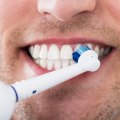
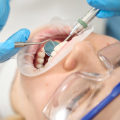
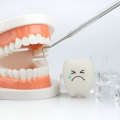
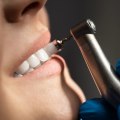
Teeth cleaning is a fundamental aspect of dental hygiene that involves the removal of plaque, tartar, and stains from the teeth. This process is typically performed by a dental professional and is essential for maintaining not only the appearance of your smile but also your overall oral health. Regular cleanings help to prevent the buildup of harmful bacteria that can lead to serious dental issues, making it a crucial practice for everyone, regardless of age. The importance of teeth cleaning extends beyond just aesthetics. Neglecting this vital routine can result in a range of complications, including cavities, gum disease, and even tooth loss.
When plaque is allowed to accumulate on the teeth, it hardens into tartar, which can only be removed through professional cleaning. This buildup can irritate the gums, leading to inflammation and infection if not addressed promptly. Moreover, regular cleanings provide an opportunity for dental professionals to identify potential problems early on. They can spot signs of decay or gum disease before they escalate into more severe conditions that require extensive treatment. By prioritizing teeth cleaning, individuals not only safeguard their smiles but also invest in their long-term health.
Complications from Neglecting Regular Teeth Cleanings
Neglecting regular teeth cleanings can lead to a myriad of complications that significantly impact both oral health and overall well-being.When plaque and tartar accumulate on the teeth, they create an environment conducive to various dental issues. One of the most common complications is the development of gum disease. This condition begins with gingivitis, characterized by inflammation and bleeding of the gums. If left untreated, it can progress to periodontitis, which not only affects the gums but also the bone supporting the teeth, potentially leading to tooth loss. Additionally, skipping teeth cleanings increases the risk of cavities. The bacteria in plaque produce acids that erode tooth enamel, leading to decay.
Over time, untreated cavities can result in severe pain and may require more invasive treatments such as root canals or extractions. Another serious complication is the potential for systemic health issues. Research has shown a link between poor oral health and conditions such as heart disease, diabetes, and respiratory infections. The bacteria from periodontal disease can enter the bloodstream, exacerbating these health problems. Furthermore, neglecting regular cleanings can lead to bad breath (halitosis) and aesthetic concerns such as stained or discolored teeth. These issues can affect self-esteem and social interactions. In summary, the complications arising from not getting regular teeth cleanings extend beyond just dental problems.
They encompass a range of health risks that underscore the importance of maintaining routine dental visits for optimal oral health.
Gum Disease: A Common Consequence
One of the most significant complications of neglecting regular teeth cleaning is the development of gum disease, also known as periodontal disease. This condition begins with the accumulation of plaque—a sticky film of bacteria that forms on teeth. If not removed through professional cleanings, plaque can harden into tartar, leading to inflammation and infection of the gums.Causes of Gum Disease
- Poor oral hygiene practices
- Tobacco use
- Certain medical conditions (e.g., diabetes)
- Hormonal changes (e.g., pregnancy, menopause)
- Genetic predisposition
- Red, swollen gums
- Bleeding during brushing or flossing
- Persistent bad breath
- Loss of tooth attachment to the bone
- Tooth mobility and eventual loss
- Increased risk of systemic health issues (e.g., heart disease, diabetes complications)
Not only does untreated gum disease compromise the integrity of your teeth, but it can also affect your overall health. Regular teeth cleanings are essential in preventing these complications by removing plaque and tartar buildup, allowing for early detection and treatment of any gum issues.
Tooth Decay and Cavities: The Silent Threats
Neglecting regular teeth cleanings can lead to serious oral health issues, particularly tooth decay and cavities. These conditions often develop silently, making it crucial to understand their causes and preventive measures.Tooth decay
occurs when the enamel, the hard outer layer of the tooth, is damaged by acids produced by bacteria that feed on sugars in the mouth. This process can be exacerbated by a lack of professional cleanings, which help remove plaque—a sticky film of bacteria that forms on teeth.When plaque is not adequately removed, it hardens into tartar, further increasing the risk of decay.
Causes of Tooth Decay
The primary causes of tooth decay include:- Poor Oral Hygiene: Infrequent brushing and flossing allow plaque to accumulate.
- Diet High in Sugars: Consuming sugary foods and beverages provides fuel for bacteria.
- Lack of Fluoride: Fluoride helps strengthen tooth enamel; without it, teeth are more susceptible to decay.
- Pain and Discomfort: Cavities can cause significant toothache and sensitivity.
- Infection: Bacteria can enter deeper layers of the tooth, leading to abscesses.
- Tooth Loss: Severe decay may necessitate extraction if the tooth cannot be saved.
Bad Breath: An Unpleasant Side Effect
One of the most common and distressing consequences of neglecting regular teeth cleaning is the development of bad breath, also known as halitosis. This condition can be both embarrassing and socially isolating, often leading individuals to avoid close interactions with others.Halitosis
is primarily caused by the accumulation of bacteria in the mouth, which thrive in the presence of food particles and plaque.When dental hygiene is not maintained through regular cleanings, these bacteria produce sulfur compounds that emit foul odors. Additionally, poor oral hygiene can lead to gum disease, which further exacerbates bad breath.
Common Causes of Bad Breath
- Plaque Buildup: The sticky film of bacteria that forms on teeth can lead to persistent bad breath if not removed through regular brushing and professional cleanings.
- Gum Disease: Inflammation and infection of the gums can create pockets that harbor bacteria, contributing to unpleasant odors.
- Dry Mouth: Saliva helps wash away food particles and bacteria. Infrequent cleanings can lead to dry mouth, increasing the risk of bad breath.
- Cavities: Decayed teeth can harbor bacteria that produce foul-smelling compounds, making dental visits essential for prevention.
- Regular Brushing: Brush your teeth at least twice a day with fluoride toothpaste to remove plaque and food particles.
- Flossing: Daily flossing helps eliminate debris between teeth where toothbrushes cannot reach.
- Routine Dental Visits: Schedule professional cleanings every six months to ensure thorough removal of plaque and tartar.
- Stay Hydrated: Drink plenty of water to help maintain saliva production and wash away bacteria.
Impact on Overall Health: The Link Between Oral and Systemic Health
Maintaining good oral health is crucial not only for a bright smile but also for overall well-being. Regular teeth cleanings play a significant role in preventing various systemic diseases that can arise from poor dental hygiene.When plaque and tartar build up due to infrequent cleanings, they can lead to gum disease, which has been linked to several serious health conditions.
Gum disease
, or periodontal disease, is more than just an issue confined to the mouth. Research has shown that individuals with gum disease are at a higher risk of developing heart disease. The inflammation caused by gum infections can enter the bloodstream, potentially leading to arterial plaque buildup and increasing the risk of heart attacks and strokes.Moreover, neglecting regular teeth cleanings can exacerbate other systemic issues:- Diabetes: There is a bidirectional relationship between diabetes and gum disease. Poor oral health can make it harder to control blood sugar levels, while diabetes increases the risk of developing gum infections.
- Respiratory infections: Bacteria from periodontal disease can be inhaled into the lungs, leading to respiratory issues such as pneumonia.
- Pregnancy complications: Women with untreated gum disease may face increased risks of preterm birth and low birth weight babies.
By prioritizing teeth cleanings, individuals can significantly reduce their risk of developing these systemic diseases, ensuring not only a healthier mouth but also a healthier body.
Financial Implications of Skipping Teeth Cleanings
Neglecting regular teeth cleanings can have significant financial implications that extend far beyond the cost of a routine dental visit. While it may seem like a way to save money in the short term, the long-term consequences can lead to much higher expenses.When individuals skip their teeth cleaning appointments, they increase their risk of developing serious dental issues such as cavities, gum disease, and even tooth loss. These conditions often require more extensive and expensive treatments, which can strain your budget considerably. For instance:- Cavities: A simple filling for a cavity can cost anywhere from $100 to $300, while untreated cavities can lead to root canals or crowns, which can range from $500 to $2,000.
- Gum Disease: The treatment for gum disease varies widely; initial scaling and root planing can cost between $200 and $1,000, depending on severity.
Advanced cases may require surgical intervention, costing thousands.
- Tooth Loss: If teeth are lost due to neglect, replacement options such as implants or bridges can cost anywhere from $1,500 to $6,000 per tooth.
- Increased Insurance Premiums: Frequent dental issues can lead to higher premiums or out-of-pocket costs if you need more extensive care.
- Time Off Work: More severe dental problems often require multiple visits to the dentist, leading to lost wages and productivity.
FAQs About Teeth Cleaning and Its Complications
When it comes to teeth cleaning, many people have questions about its importance and the potential complications of neglecting regular dental visits. Here are some frequently asked questions that can help clarify these concerns.What happens if I skip regular teeth cleanings?
Skipping regular teeth cleanings can lead to a buildup of plaque and tartar, which are primary contributors to gum disease and cavities.Over time, this neglect can result in:
- Gingivitis: The early stage of gum disease characterized by inflammation and bleeding of the gums.
- Periodontitis: A more severe form of gum disease that can lead to tooth loss if untreated.
- Cavities: Decay caused by bacteria that thrive in plaque, leading to holes in your teeth.
- Bad breath: Persistent bad breath can be a sign of poor oral hygiene and underlying dental issues.
How often should I get my teeth cleaned?
The American Dental Association recommends that most individuals have their teeth professionally cleaned at least twice a year. However, those with specific dental issues or higher risk factors may need more frequent visits. Regular cleanings help maintain oral health and prevent complications.Can poor dental hygiene affect my overall health?
Yes, there is a significant link between oral health and overall health. Poor dental hygiene can contribute to various systemic conditions, including:- Heart disease: Inflammation from gum disease may increase the risk of heart problems.
- Diabetes: Gum disease can make it harder to control blood sugar levels.
- Pneumonia: Bacteria from the mouth can be inhaled into the lungs, leading to respiratory infections.
Addressing these common questions can help you understand the importance of prioritizing your dental hygiene.
Conclusion: The Importance of Regular Teeth Cleanings for Lifelong Oral Health
In conclusion, the significance of regular teeth cleanings cannot be overstated. These routine visits to your dentist are not merely about maintaining a bright smile; they play a crucial role in safeguarding your overall health. By prioritizing these cleanings, you can effectively prevent a multitude of complications that arise from neglecting oral hygiene. Throughout this article, we have explored various potential issues stemming from infrequent dental cleanings, including:- Gum Disease: Without regular cleanings, plaque and tartar build-up can lead to gingivitis and periodontitis, which can result in tooth loss.
- Cavities: Regular cleanings help in the early detection and prevention of cavities, which can escalate into more severe dental problems if left untreated.
- Bad Breath: Accumulation of bacteria in the mouth can lead to persistent bad breath, which can affect social interactions and self-esteem.
- Systemic Health Issues: Poor oral health has been linked to serious conditions such as heart disease, diabetes, and respiratory infections.
By committing to this essential aspect of dental care, you not only enhance your oral health but also contribute positively to your overall well-being. Make it a priority to schedule your next cleaning and take a proactive step towards a healthier future.