Maintaining optimal oral hygiene is crucial for overall health, and one of the most effective ways to achieve this is through regular teeth cleaning procedures. These professional cleanings not only help in removing plaque and tartar buildup but also play a significant role in preventing serious dental issues such as cavities and gum disease. Understanding the importance of these cleanings can motivate individuals to prioritize their dental health. The cost of a dental cleaning can vary widely based on several factors, including the location of the dental practice, the experience of the dental hygienist, and whether additional treatments are required. While some may view this expense as a burden, it is essential to recognize that investing in regular teeth cleanings can save money in the long run by avoiding more costly procedures that arise from neglecting oral care. In this article, we will delve deeper into the various aspects of teeth cleaning, including what to expect during a visit, how often you should schedule these appointments, and a detailed breakdown of the associated costs.
By understanding these elements, you can make informed decisions about your dental care and ensure that your smile remains healthy and bright.
What is Teeth Cleaning?
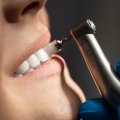
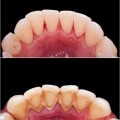
Teeth cleaning is a vital dental procedure aimed at removing plaque, tartar, and stains from the teeth. This process not only enhances the aesthetic appearance of your smile but also plays a crucial role in preventing dental diseases. Regular teeth cleaning helps maintain optimal oral health by reducing the risk of cavities and gum disease.There are primarily two types of dental cleaning procedures: prophylaxis and deep cleaning.Prophylaxis
Prophylaxis, often referred to as a routine cleaning, is typically performed every six months. This procedure is suitable for individuals with healthy gums and teeth.During prophylaxis, a dental hygienist will:
- Examine your mouth for any signs of dental issues.
- Use specialized tools to remove plaque and tartar buildup.
- Polish your teeth to remove surface stains.
- Floss between your teeth to ensure complete cleanliness.
Deep Cleaning
Deep cleaning, or scaling and root planing, is recommended for patients with gum disease or significant tartar buildup. This procedure goes beyond the surface of the teeth to clean below the gum line. The steps involved include:- Scaling: Removing plaque and tartar from above and below the gum line.
- Root Planing: Smoothing out the roots of the teeth to help gums reattach.
Additionally, professional cleanings can identify potential issues early on, allowing for timely intervention.In summary, understanding the different types of teeth cleaning procedures and their importance can empower you to take charge of your oral health. Regular visits to your dentist for cleanings are a proactive step towards a healthier smile.
Factors Influencing the Cost of Teeth Cleaning
The cost of teeth cleaning can vary significantly based on several factors. Understanding these factors can help patients anticipate expenses and make informed decisions about their dental care.Location
The geographical location of the dental practice plays a crucial role in determining the cost of dental cleaning. Urban areas typically have higher living costs, which can translate to higher prices for dental services.Conversely, rural practices may offer more affordable rates due to lower overhead costs.
Type of Dental Practice
The type of dental practice also influences pricing. For instance, a private dental office may charge more than a community health clinic or a dental school where services are provided by students under supervision. Additionally, specialists such as periodontists may charge higher fees for cleaning due to their advanced training and expertise.Patient-Specific Factors
Individual patient needs can affect the overall cost of teeth cleaning. Factors such as:- Oral Health Status: Patients with gum disease or other oral health issues may require more extensive cleaning procedures, which can increase costs.
- Frequency of Visits: Those who visit the dentist regularly may benefit from lower costs due to preventive care, while infrequent visitors might face higher fees for more intensive cleanings.
- Insurance Coverage: Dental insurance plans often cover a portion of the cleaning costs, but the extent of coverage can vary widely between plans.
By understanding these factors, patients can better navigate their dental care options and budget accordingly.
Average Costs of Teeth Cleaning in the United States
The average cost of teeth cleaning in the United States typically ranges from $75 to $200. However, this price can vary significantly based on several factors, including geographic location, the dentist's experience, and the specific dental practice.Regional Variations
- Urban Areas: In major cities like New York or Los Angeles, you might find prices on the higher end of the spectrum, often exceeding $150.
- Rural Areas: Conversely, smaller towns may offer teeth cleaning services for as low as $75.
- State Differences: States with a higher cost of living generally have higher dental fees. For instance, California and Massachusetts often report higher average costs compared to states like Texas or Florida.
Dental Cleaning Prices Breakdown
- Basic Cleaning: This usually includes a routine examination and cleaning of teeth, costing around $75 to $150.
- Deep Cleaning: For patients with gum disease, a deep cleaning may be necessary, which can range from $150 to $300.
- X-rays: If X-rays are required during your visit, expect to pay an additional $25 to $100.
Insurance Coverage
Many dental insurance plans cover a portion of the cost for routine teeth cleaning. Typically, insurance will cover 100% of the cost for two cleanings per year.
However, it’s essential to check your specific plan details as coverage can vary widely.If you do not have insurance, consider discussing payment plans or discounts with your dental office. Some practices offer financing options that can make the cost more manageable.In summary, while the dental cleaning prices can vary based on multiple factors, understanding these elements can help you budget effectively for your oral health needs.
Teeth Cleaning Costs by Type of Procedure
Understanding the cost of teeth cleaning procedures is essential for maintaining oral health. The price can vary significantly based on the type of cleaning required. Here’s a breakdown of the costs associated with different types of teeth cleaning procedures.Cost of Prophylaxis
Prophylaxis, or routine teeth cleaning, is typically performed every six months and is aimed at preventing dental issues.The cost of prophylaxis generally ranges from $75 to $200 per visit, depending on factors such as location, dentist experience, and whether X-rays are included. This procedure usually involves scaling and polishing to remove plaque and tartar buildup.
Deep Cleaning Cost
For patients with gum disease or significant plaque accumulation, a deep cleaning may be necessary. This procedure, also known as scaling and root planing, involves cleaning below the gum line to remove bacteria and tartar. The deep cleaning cost can range from $150 to $300 per quadrant of the mouth, making the total cost for a full mouth cleaning between $600 and $1,200.Many dental insurance plans cover a portion of this cost, so it’s advisable to check your benefits.
Scaling and Root Planing Price
The scaling and root planing price can vary based on the severity of gum disease and the specific techniques used by the dentist. On average, patients can expect to pay between $200 and $400 for this procedure per quadrant. Additional costs may arise if anesthesia is required or if follow-up treatments are necessary.In summary, while routine teeth cleanings are relatively affordable, deeper cleanings can be more costly due to their complexity. It’s crucial to consult with your dentist to determine the best cleaning option for your oral health needs and budget.How to Save on Teeth Cleaning Costs
When it comes to teeth cleaning procedures, the costs can add up quickly.However, there are several strategies you can employ to save money on dental cleanings without compromising on quality.
- Dental Insurance Plans: If you have dental insurance, check your plan to see if it covers routine teeth cleaning. Many plans offer full or partial coverage for preventive care, which can significantly reduce your out-of-pocket expenses.
- Discount Dental Plans: Consider enrolling in a discount dental plan. These plans typically offer reduced rates for various dental services, including teeth cleaning. They can be a cost-effective alternative if you don’t have insurance.
- Community Health Clinics: Look for local community health clinics that provide dental services at a lower cost.
These clinics often offer sliding scale fees based on income, making affordable teeth cleaning options accessible to those in need.
- Promotions and Specials: Many dental offices run promotions or specials for new patients or during certain times of the year. Keep an eye out for these deals, as they can provide significant savings on dental cleanings.
- Payment Plans: If you’re facing high costs, ask your dentist about payment plans. Many practices offer financing options that allow you to spread the cost of your teeth cleaning over several months.
- Regular Visits: Maintaining regular dental visits can help prevent more serious issues that require costly treatments. By investing in routine dental cleanings, you may save money in the long run by avoiding more extensive procedures.
Remember, maintaining good oral hygiene is essential not only for your health but also for your wallet.
Frequently Asked Questions about Teeth Cleaning Costs
When considering the cost of a teeth cleaning, many patients have questions regarding what to expect. Here are some frequently asked questions that can help clarify the financial aspects of dental cleanings.What is the average cost of a teeth cleaning?
The average cost for a standard teeth cleaning typically ranges from $75 to $200. This price can vary based on factors such as the dentist's location, the complexity of the cleaning, and whether it includes additional services like X-rays or fluoride treatments.Are there different types of teeth cleaning?
Yes, there are generally two types of teeth cleaning: preventive cleanings and deep cleanings. Preventive cleanings are performed every six months and are usually less expensive.Deep cleanings, which may be necessary for patients with gum disease, can cost significantly more, often ranging from $150 to $300.
Does insurance cover teeth cleaning?
Most dental insurance plans cover at least one or two preventive cleanings per year at no additional cost to the patient. However, coverage for deep cleanings may vary. It’s essential to check with your insurance provider to understand your specific benefits.What if I don’t have dental insurance?
If you don’t have dental insurance, many dental offices offer payment plans or discounts for cash payments. Additionally, some clinics provide services at reduced rates through community health programs.Can I find affordable teeth cleaning options?
Yes, there are several ways to find affordable options for teeth cleaning.Look for local dental schools that offer discounted services performed by students under professional supervision. Additionally, consider checking for promotions or special offers from local dentists.Understanding these common questions about the costs associated with teeth cleaning can help you make informed decisions about your dental care and budget accordingly.
Conclusion: The Importance of Regular Teeth Cleaning and Cost Awareness
In conclusion, understanding the cost of a teeth cleaning procedure is essential for maintaining not only your oral health but also your overall well-being. Regular teeth cleaning is a preventive measure that can save you from more extensive and costly dental treatments in the future. By investing in routine cleanings, you are taking a proactive approach to your dental care.The average cost of a teeth cleaning can vary based on several factors, including your location, the dental practice, and whether you have dental insurance.Typically, patients can expect to pay between $75 and $200 for a standard cleaning. However, many insurance plans cover at least part of this cost, making it more accessible for individuals and families.Moreover, the benefits of regular teeth cleaning extend beyond just cost savings. These cleanings help to:
- Prevent cavities and gum disease by removing plaque and tartar buildup.
- Enhance your smile by keeping your teeth bright and free from stains.
- Detect early signs of dental issues that could lead to more serious problems if left untreated.
- Improve overall health, as oral health is closely linked to conditions such as heart disease and diabetes.
Make it a point to schedule your next cleaning today; your future self will thank you!.