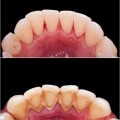
Teeth cleaning is a vital dental procedure aimed at maintaining oral health and preventing various dental issues. It involves the removal of plaque, tartar, and stains from the teeth, which can accumulate over time despite regular brushing and flossing. The primary purpose of teeth cleaning is to ensure that your teeth and gums remain healthy, reducing the risk of cavities, gum disease, and other oral health problems. The dental cleaning process typically begins with a thorough examination of your mouth by a dental professional. This examination allows the dentist or hygienist to identify any areas of concern, such as cavities or gum inflammation.
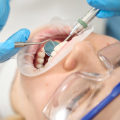
Following this assessment, the actual cleaning process commences. Using specialized tools, the dental hygienist will carefully remove plaque and tartar buildup from the surfaces of your teeth, particularly in hard-to-reach areas. After the scaling process, your teeth will be polished with a gritty toothpaste to remove any remaining surface stains and to give them a smooth finish. Finally, a fluoride treatment may be applied to help strengthen your enamel and protect against decay. Understanding what teeth cleaning entails not only prepares you for your visit but also emphasizes its importance in maintaining long-term oral health.
Is Teeth Cleaning Painful?
When it comes to teeth cleaning, many people wonder, is teeth cleaning painful? The answer can vary significantly from person to person, depending on several factors. Generally, most patients experience minimal discomfort during a routine dental cleaning.However, some individuals may feel a degree of sensitivity or pain, particularly if they have not had a cleaning in a long time or if they have existing dental issues.
Factors Influencing Pain Levels
- Dental Health: If you have gum disease, cavities, or other dental problems, you may experience more discomfort during the cleaning process.
- Anxiety: Dental anxiety can heighten your perception of pain. If you are nervous about the procedure, it may feel more uncomfortable than it actually is.
- Technique: The skill and technique of the dental hygienist can also play a role. An experienced professional will know how to minimize discomfort while effectively cleaning your teeth.
- Numbing Gel: Applied to the gums before the cleaning begins, this can help reduce sensitivity.
- Anesthesia: For those with severe anxiety or extensive dental work needed, local anesthesia may be an option.
They can provide reassurance and discuss options tailored to your needs. Remember, maintaining regular cleanings is crucial for oral health and can help prevent more painful procedures in the future.
Factors Influencing Pain During Teeth Cleaning
Understanding the factors influencing pain during teeth cleaning can help alleviate concerns and improve the overall experience. Several elements contribute to how much discomfort a patient may feel during a dental cleaning.Dental Sensitivity
Individuals with dental sensitivity often experience heightened discomfort during teeth cleaning. This sensitivity can stem from various issues, including:- Exposed tooth roots: Gum recession can expose the sensitive parts of teeth.
- Cavities or decay: Areas of decay can be more sensitive to touch and pressure.
- Gum disease: Inflammation and tenderness in the gums can lead to increased pain during cleaning.
They can adjust their techniques or use desensitizing agents to minimize discomfort.
Dental Anxiety
Dental anxiety is another significant factor that can amplify the perception of pain during teeth cleaning. Patients who feel anxious may be more attuned to sensations in their mouth, making them feel more discomfort than they might otherwise experience. Strategies to manage dental anxiety include:- Open communication: Discussing your fears with your dentist can help them tailor the experience to your needs.
- Relaxation techniques: Deep breathing or visualization can help calm nerves before and during the appointment.
The Skill of the Hygienist
The skill and experience of the dental hygienist also play a crucial role in minimizing pain during teeth cleaning. A skilled hygienist will:- Use appropriate techniques to reduce discomfort.
- Select tools that are less invasive for sensitive areas.
- Work efficiently to limit the duration of any uncomfortable procedures.
What to Expect During a Teeth Cleaning Appointment
When you arrive for your teeth cleaning appointment, the process typically begins with a brief consultation.Your dental hygienist will review your medical history and any concerns you may have regarding your oral health. This is a great opportunity to ask questions about the teeth cleaning process and express any anxieties you might have.Next, the hygienist will perform an initial examination of your teeth and gums. Using a small mirror and a dental explorer, they will check for signs of plaque buildup, tartar, and any potential issues such as cavities or gum disease. This step is crucial as it helps tailor the cleaning process to your specific needs.
The Cleaning Process
- Scaling: The hygienist will use specialized tools to remove plaque and tartar from the surfaces of your teeth, especially around the gum line.
This part of the teeth cleaning can sometimes feel uncomfortable, but it should not be painful.
- Polishing: After scaling, your teeth will be polished using a gritty toothpaste and a high-powered electric toothbrush. This step helps remove any remaining surface stains and leaves your teeth feeling smooth.
- Flossing: The hygienist will then floss between your teeth to ensure that all debris is removed from hard-to-reach areas. This is also an excellent time for them to demonstrate proper flossing techniques.
- Fluoride Treatment: Finally, a fluoride treatment may be applied to help strengthen your enamel and protect against cavities. This treatment usually involves either a gel or foam placed in a mouthguard that you wear for a few minutes.
If you experience any discomfort during the teeth cleaning, let them know immediately. Most dental offices are equipped to provide options for pain management if necessary.Overall, understanding what happens during a teeth cleaning appointment can help alleviate anxiety and set realistic expectations for your dental visit. Regular cleanings are essential for maintaining good oral health and preventing more serious dental issues in the future.
Managing Pain and Discomfort During Teeth Cleaning
Experiencing discomfort during teeth cleaning is common, but there are several strategies to manage pain and enhance your comfort. Understanding these options can help you feel more at ease during your dental visit.Communicate with Your Dentist
Before your appointment, discuss any concerns about pain with your dentist or dental hygienist.They can tailor the cleaning process to your comfort level and may offer specific techniques to minimize discomfort.
Numbing Options
Many dental offices provide numbing options to help alleviate pain during teeth cleaning. These may include:- Topical Anesthetics: Applied directly to the gums, these gels or creams numb the area temporarily.
- Local Anesthesia: For more extensive procedures, a local anesthetic may be injected to block sensation in the targeted area.
Tips for a Comfortable Dental Cleaning
In addition to numbing options, consider these tips for a more comfortable experience:- Practice Relaxation Techniques: Deep breathing or visualization can help reduce anxiety and tension.
- Choose the Right Time: Schedule your appointment at a time when you are less likely to feel rushed or stressed.
- Take Breaks: If you start to feel uncomfortable during the cleaning, don’t hesitate to raise your hand and ask for a break.
- Stay Hydrated: Drink water before your appointment; staying hydrated can help keep your mouth comfortable.
Post-Cleaning Care: What to Do After Your Appointment
After your teeth cleaning appointment, it’s essential to follow some aftercare tips to ensure a smooth recovery and maintain your oral health. While many people experience minimal discomfort, taking the right steps can help alleviate any sensitivity and promote healing.- Avoid Certain Foods: For the first 24 hours post-cleaning, steer clear of very hot, cold, or hard foods.
These can irritate your teeth and gums, which may be sensitive after the cleaning process.
- Stay Hydrated: Drink plenty of water to help wash away any residual debris and keep your mouth hydrated. This is especially important if you experience any dryness or discomfort.
- Use a Soft-Bristled Toothbrush: Switch to a soft-bristled toothbrush for at least a few days after your appointment. This will help minimize irritation to your gums while you brush.
- Practice Gentle Oral Hygiene: Continue to brush and floss your teeth, but do so gently. Avoid aggressive brushing that could exacerbate any sensitivity.
- Rinse with Salt Water: If you feel discomfort, consider rinsing your mouth with warm salt water.
This can help soothe your gums and reduce inflammation.
- Monitor Sensitivity: It’s normal to experience some sensitivity after a teeth cleaning, but if it persists beyond a few days or worsens, contact your dentist for advice.
Frequently Asked Questions About Teeth Cleaning Pain
Many patients have concerns about the pain associated with teeth cleaning. Here are some frequently asked questions that can help clarify what to expect during your dental visit.Is teeth cleaning painful?
For most people, teeth cleaning is not painful. However, some individuals may experience discomfort, especially if they have sensitive gums or underlying dental issues.Your dental hygienist will use various tools to remove plaque and tartar, which can cause some temporary sensitivity.
What can I do to minimize discomfort?
- Communicate with your hygienist: Let them know if you have sensitive areas or if you feel any pain during the cleaning.
- Consider numbing options: Some dental offices offer topical anesthetics or sedation options for patients who are particularly anxious or sensitive.
- Maintain good oral hygiene: Regular brushing and flossing can help reduce plaque buildup, making cleanings easier and less uncomfortable.
Is teeth cleaning safe?
Yes, teeth cleaning is a safe procedure when performed by a qualified dental professional. The benefits of regular cleanings far outweigh any temporary discomfort. Cleanings help prevent gum disease, cavities, and other oral health issues.What should I expect after a teeth cleaning?
After your cleaning, it’s normal to experience some mild sensitivity, especially if you had tartar removed from below the gum line. This should subside within a few hours.If you experience prolonged pain or discomfort, it’s advisable to contact your dentist for further evaluation.In summary, while some discomfort may occur during teeth cleaning, it is generally manageable and safe. Regular visits to the dentist are crucial for maintaining optimal oral health.
Conclusion: Key Takeaways on Teeth Cleaning Pain
In conclusion, understanding the potential discomfort associated with teeth cleaning can help alleviate any anxiety you may have about the procedure. While some individuals may experience mild discomfort during the cleaning process, it is generally manageable and temporary.Key takeaways include:
- Teeth cleaning is an essential part of maintaining oral health, and any discomfort is often outweighed by the benefits of a clean mouth.
- Factors such as individual pain tolerance, gum sensitivity, and the presence of dental issues can influence the level of discomfort experienced.
- Modern dental practices often employ techniques and tools designed to minimize pain, making the experience more comfortable for patients.
- If you have concerns about pain during your teeth cleaning, communicate openly with your dentist. They can provide reassurance and may offer options to enhance your comfort.
By prioritizing your dental visits, you are investing in your long-term well-being. Remember, any discomfort felt during the procedure is typically short-lived, and the long-term benefits far exceed any temporary unease.So, if you're due for a cleaning, don't let fear of pain hold you back. Schedule your appointment and take a proactive step towards a healthier smile!.