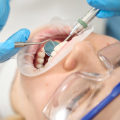
Maintaining optimal oral health is crucial, and teeth cleaning plays a pivotal role in this endeavor. Regular professional cleanings not only help in removing plaque and tartar buildup but also serve as a preventive measure against various dental issues such as cavities and gum disease. Understanding the importance of these cleanings can significantly impact your overall health, as poor oral hygiene has been linked to systemic conditions like heart disease and diabetes. Professional cleanings provide benefits that go beyond what daily brushing and flossing can achieve. During these visits, dental professionals utilize specialized tools to thoroughly clean your teeth, reaching areas that are often missed during routine home care.
This deep cleaning process not only enhances the aesthetic appearance of your smile but also contributes to fresher breath and healthier gums. Moreover, these appointments allow for early detection of potential problems, enabling timely intervention before they escalate into more serious issues. Incorporating regular professional cleanings into your oral hygiene routine is essential, but it raises an important question: how often should you brush your teeth in between these cleanings? The answer lies in understanding the balance between professional care and daily maintenance. By establishing a consistent brushing routine at home, you can maximize the benefits of professional cleanings and ensure that your teeth remain healthy and vibrant.
How Often Should You Brush Your Teeth?
Maintaining optimal oral hygiene is crucial for overall dental health, and one of the most important aspects is understanding how often to brush your teeth. The American Dental Association (ADA) recommends that individuals brush their teeth at least twice a day—once in the morning and once before bed.This frequency helps to remove plaque and food particles, reducing the risk of cavities and gum disease.In addition to brushing twice daily, it’s essential to consider the technique used while brushing. Using a soft-bristled toothbrush and fluoride toothpaste can enhance the effectiveness of your brushing routine. Make sure to brush for at least two minutes each time, covering all surfaces of your teeth: the outer, inner, and chewing surfaces.
Brushing Frequency Recommendations
- Morning Routine: Brushing in the morning helps eliminate bacteria that accumulate overnight.
- Evening Routine: Brushing before bed is critical as it removes food particles and plaque buildup from the day.
- After Meals: If possible, brushing after meals can further prevent plaque formation, especially after sugary or acidic foods.
Always consult with your dentist for personalized recommendations based on your unique dental needs.
The Role of Professional Cleanings in Oral Health
Professional teeth cleaning, often referred to as dental prophylaxis, is a crucial component of maintaining optimal oral health. These cleanings are typically performed by a licensed dental hygienist or dentist and involve the removal of plaque, tartar, and stains that regular brushing and flossing may miss. The American Dental Association recommends that individuals visit their dentist for a professional cleaning at least twice a year, although some may require more frequent visits based on their specific oral health needs.During a professional cleaning, the dental professional will:- Examine your teeth and gums for signs of disease or decay.
- Remove plaque and tartar buildup using specialized tools.
- Polish your teeth to remove surface stains and make them shine.
- Fluoride treatment may be applied to strengthen tooth enamel.
This proactive approach can save you from more extensive treatments down the line.In addition to professional cleanings, maintaining a consistent daily oral hygiene routine is essential. Brushing your teeth at least twice a day and flossing daily can significantly enhance the benefits of your professional cleanings. Together, these practices create a comprehensive strategy for achieving and sustaining good oral health.Ultimately, while daily brushing and flossing are vital, they should be complemented by regular dental check-ups and professional cleanings to ensure your mouth remains healthy and free from disease.
Factors Influencing Brushing Frequency
When considering how often to brush your teeth between professional cleanings, several key factors come into play that can significantly influence your brushing frequency.Age
Your age can greatly affect your dental health and, consequently, your brushing routine. For instance, children may require more frequent reminders to brush properly, while older adults might face challenges such as gum disease or tooth sensitivity that necessitate a tailored approach to oral hygiene.Diet
The foods and beverages you consume play a crucial role in determining how often you should brush.A diet high in sugars and acids can lead to increased plaque buildup, making it essential to brush more frequently. Conversely, a balanced diet rich in fruits, vegetables, and whole grains may reduce the need for excessive brushing.
Existing Dental Conditions
If you have existing dental conditions such as cavities, gum disease, or orthodontic appliances like braces, your dentist may recommend a more rigorous brushing schedule. These conditions can create additional challenges for maintaining oral hygiene, making it vital to adapt your routine accordingly.Lifestyle Impacts
Your lifestyle choices also influence your oral health. Smokers or individuals who consume alcohol may experience higher rates of plaque accumulation and bad breath, necessitating more frequent brushing.Additionally, those with busy schedules might overlook their dental care; thus, establishing a consistent routine is essential.Ultimately, understanding these factors can help you determine the most effective brushing frequency for your unique situation. Regular consultations with your dentist will provide personalized recommendations based on your specific needs and circumstances.
Best Practices for Brushing Your Teeth
Maintaining optimal oral hygiene between professional teeth cleanings is crucial for preventing cavities and gum disease. Here are some best practices for brushing your teeth effectively:Proper Brushing Technique
To ensure you are brushing your teeth correctly, follow these steps:- Choose the Right Toothbrush: Opt for a toothbrush with soft bristles to avoid damaging your gums. Electric toothbrushes can also be effective, as they often provide consistent pressure and timing.
- Use Fluoride Toothpaste: Select a toothpaste that contains fluoride, which helps strengthen tooth enamel and prevent decay.
- Brush Twice Daily: Aim to brush your teeth at least twice a day—once in the morning and once before bed.
This helps remove plaque buildup and food particles.
- Brush for Two Minutes: Spend at least two minutes brushing your teeth each time. Divide your mouth into four quadrants and spend 30 seconds on each section.
- Use the Right Technique: Hold your toothbrush at a 45-degree angle to your gums. Use gentle, circular motions to clean the outer and inner surfaces of your teeth, and use back-and-forth strokes on the chewing surfaces.
Additional Tips for Effective Brushing
- Don’t Forget Your Tongue: Bacteria can accumulate on your tongue, leading to bad breath. Gently brush your tongue or use a tongue scraper.
- Replace Your Toothbrush Regularly: Change your toothbrush every three to four months, or sooner if the bristles are frayed.
- Consider Mouthwash: Incorporating an antibacterial mouthwash can help reduce plaque and gingivitis between cleanings.
Common Myths About Brushing Frequency
When it comes to teeth cleaning and oral hygiene, several myths can lead to confusion about how often one should brush their teeth.Understanding these misconceptions is crucial for maintaining optimal dental health.
- Myth 1: Brushing more often is always better. Many people believe that brushing their teeth multiple times a day will lead to healthier teeth. However, brushing too frequently or with excessive force can actually damage the enamel and irritate the gums. The American Dental Association recommends brushing twice a day for two minutes each time.
- Myth 2: You only need to brush if you eat sugary foods. While it’s true that sugar contributes to tooth decay, bacteria that cause cavities can thrive on any food particles left on your teeth. Regular brushing is essential regardless of your diet to remove plaque and prevent gum disease.
- Myth 3: If my teeth feel clean, I don’t need to brush. Just because your teeth feel clean doesn’t mean they are free from plaque buildup.
Plaque can accumulate even when you don’t notice it, making regular brushing vital for long-term oral health.
- Myth 4: Electric toothbrushes are unnecessary. Some people think that manual brushing is just as effective as using an electric toothbrush. However, studies have shown that electric toothbrushes can be more effective at reducing plaque and gingivitis, especially for those who may struggle with proper brushing technique.
What to Do If You Miss a Brushing Session?
Missing a brushing session can happen to anyone, and while it’s important to maintain a consistent oral hygiene routine, there are effective strategies to mitigate the impact of an occasional lapse.1.Rinse Your Mouth
- If you realize you’ve missed brushing, start by rinsing your mouth with water. This helps remove food particles and reduces the acidity in your mouth.
- Consider using a mouthwash that contains fluoride or antibacterial properties for added protection.
2.Brush as Soon as Possible
- Try to brush your teeth as soon as you remember.
Even if it’s not at your usual time, brushing is better than skipping it altogether.
- Use a fluoride toothpaste to help strengthen your enamel and combat any plaque buildup that may have occurred during the missed session.
3.Maintain Hydration
- Drink plenty of water throughout the day. Staying hydrated helps wash away food particles and bacteria, contributing to better oral health.
- Avoid sugary drinks or snacks that can exacerbate the effects of missing a brushing session.
4.Be Mindful of Your Diet
- After missing a brushing session, opt for foods that are less likely to stick to your teeth, such as fruits and vegetables.
- Avoid hard or sticky candies that can lead to further plaque buildup.
5.Schedule Regular Professional Cleanings
- Even with the best home care, professional cleanings are essential for maintaining optimal oral health. Ensure you visit your dentist regularly for cleanings and check-ups.
- Your dentist can provide personalized advice on how to improve your oral hygiene routine based on your specific needs.
Conclusion: Maintaining Optimal Oral Hygiene Between Cleanings
In conclusion, maintaining optimal oral hygiene between professional teeth cleanings is crucial for your overall dental health.Regular brushing, ideally twice a day, and daily flossing are essential practices that help prevent plaque buildup and reduce the risk of cavities and gum disease.It’s important to remember that while professional cleanings are vital, they should complement your daily oral care routine rather than replace it. Here are some key takeaways:
- Brush Twice Daily: Aim to brush your teeth at least twice a day with fluoride toothpaste. This helps remove food particles and plaque that can lead to dental issues.
- Floss Daily: Flossing is an essential part of your oral hygiene routine. It reaches areas between your teeth that a toothbrush cannot, helping to prevent gum disease.
- Regular Dental Visits: Schedule professional teeth cleanings every six months or as recommended by your dentist.
These visits allow for thorough cleaning and early detection of potential problems.
- Monitor Your Diet: A balanced diet low in sugary snacks can significantly impact your dental health. Foods high in sugar can contribute to plaque formation and cavities.