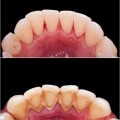
During pregnancy, a woman's body undergoes numerous changes, and dental health is no exception. Hormonal fluctuations can affect the gums and teeth, making them more susceptible to issues such as gingivitis and cavities. This makes it crucial for expectant mothers to prioritize their oral care routine. Regular teeth cleaning not only helps maintain oral hygiene but also plays a significant role in overall health during this critical period. Many pregnant women may wonder if it is safe to continue with their dental appointments, particularly for teeth cleaning.
The good news is that dental cleanings are generally considered safe during pregnancy, especially when performed by a qualified dental professional. In fact, maintaining good oral health can contribute to a healthier pregnancy and may even reduce the risk of complications such as preterm birth. Moreover, understanding the importance of dental health during pregnancy can empower women to take proactive steps in their oral care. This section will delve deeper into the safety of teeth cleaning while pregnant, addressing common concerns and providing guidance on how to maintain optimal oral health throughout this transformative journey.
Is Teeth Cleaning Safe During Pregnancy?
When it comes to teeth cleaning during pregnancy, many expectant mothers may have concerns about the safety of dental procedures. Fortunately, dental cleanings are generally considered safe and are an important part of maintaining oral health during this time. Pregnancy can lead to various changes in a woman's body, including hormonal fluctuations that may increase the risk of gum disease.Therefore, regular oral hygiene is crucial. Dental professionals recommend that pregnant women continue with their routine dental visits, including teeth cleaning, to prevent potential complications.
Benefits of Teeth Cleaning During Pregnancy
- Prevention of Gum Disease: Regular cleanings help remove plaque and tartar buildup, reducing the risk of gingivitis and other periodontal diseases.
- Overall Health: Maintaining good oral health can contribute to overall health, which is especially important during pregnancy.
- Education: Dental visits provide an opportunity for pregnant women to receive guidance on proper oral care and any specific concerns related to pregnancy.
Expectant mothers should prioritize their dental care and consult with their healthcare provider if they have any specific concerns regarding dental procedures during this time.
Benefits of Teeth Cleaning for Pregnant Women
Maintaining oral health during pregnancy is crucial, not just for the mother but also for the developing baby. Regular teeth cleaning offers several benefits that can significantly impact overall health during this important time.1.Prevention of Gum Disease Pregnant women are at a higher risk of developing gum disease, which can lead to complications such as preterm birth and low birth weight. Routine teeth cleaning helps remove plaque and tartar buildup, reducing the risk of gingivitis and more severe periodontal issues.2.Reduced Risk of Cavities Hormonal changes during pregnancy can affect oral health, making women more susceptible to cavities. Regular teeth cleaning helps in the early detection and prevention of cavities, ensuring that both mother and baby remain healthy.3.Improved Overall Health Good oral hygiene is linked to overall health.By maintaining regular teeth cleaning appointments, pregnant women can help prevent infections that may affect their health and the health of their baby.4.Enhanced Comfort Pregnancy can bring about various discomforts, including dental issues. A professional teeth cleaning can alleviate discomfort caused by plaque buildup and provide a refreshing feeling, contributing to a better overall experience during pregnancy.5.Education on Oral Care Dental visits during pregnancy provide an opportunity for women to receive tailored advice on maintaining oral hygiene at home. Dentists can offer tips on managing dental care while dealing with pregnancy-related challenges such as morning sickness. In conclusion, prioritizing teeth cleaning during pregnancy is essential for preventing gum disease, reducing cavity risk, and promoting overall health for both mother and child. Regular dental check-ups ensure that any potential issues are addressed promptly, leading to a healthier pregnancy experience.
Potential Risks and Considerations
While teeth cleaning is generally considered safe during pregnancy, there are some potential risks and considerations that expectant mothers should be aware of.Understanding these factors can help ensure a safe and effective dental care experience.
Potential Risks
One of the primary concerns during pregnancy is the increased sensitivity of gums, which can lead to gingivitis. This condition may cause swelling, bleeding, and discomfort during a teeth cleaning. Additionally, hormonal changes can affect oral health, making it crucial to inform your dentist about your pregnancy status.Dental Risks During Pregnancy
- Increased Bleeding: Pregnant women may experience more bleeding during dental procedures due to hormonal fluctuations.
- Infection Risk: If there are existing dental issues, such as cavities or gum disease, these can pose a higher risk of infection during pregnancy.
- X-rays: While routine X-rays are usually avoided during pregnancy, if necessary, your dentist will take precautions to minimize exposure.
Precautions for Dental Care
To mitigate risks associated with dental care during pregnancy, consider the following precautions:- Timing: Schedule your teeth cleaning during the second trimester when nausea and fatigue are typically less severe.
- Inform Your Dentist: Always inform your dental care provider about your pregnancy and any complications you may have.
- Maintain Oral Hygiene: Regular brushing and flossing can help reduce the risk of gum disease and other dental issues.
What to Expect During a Teeth Cleaning Appointment
When you visit the dentist for a teeth cleaning appointment during pregnancy, it’s important to know what to expect. Understanding the process can help alleviate any anxiety and ensure a smooth experience.Initial Assessment
- Your appointment will typically begin with a brief assessment by the dental hygienist or dentist.
They will review your medical history, including any pregnancy-related concerns.
- It’s crucial to inform them about your pregnancy, as this may influence the cleaning process and any treatments recommended.
The Cleaning Process
- The actual teeth cleaning involves several steps:
- Scaling: The hygienist will use specialized tools to remove plaque and tartar buildup from your teeth and gum line. This step is essential for preventing gum disease, which can be more prevalent during pregnancy due to hormonal changes.
- Polishing: After scaling, your teeth will be polished using a gritty toothpaste-like substance. This helps remove surface stains and leaves your teeth feeling smooth.
- Flossing: The hygienist will floss between your teeth to ensure that all debris is removed and to check for any areas of concern.
- Fluoride Treatment: Depending on your dental health, a fluoride treatment may be applied to strengthen your enamel and protect against cavities.
Comfort Measures
- Your comfort is a priority during the appointment. If you experience any discomfort, let the hygienist know immediately.
- You may be offered pillows or blankets to help you feel more comfortable while lying back in the dental chair.
Post-Cleaning Care
- After the cleaning, your dentist may provide personalized advice on maintaining oral hygiene during pregnancy.
This could include recommendations for specific toothpaste or mouthwash that are safe for pregnant women.
- It’s also a good time to discuss any concerns you have about dental health during pregnancy, such as increased sensitivity or gum issues.
When to Schedule Your Teeth Cleaning Appointment
When it comes to scheduling your teeth cleaning appointment during pregnancy, timing is crucial. The best time to visit your dentist for a cleaning is during the second trimester, specifically between weeks 14 and 27. This period is often considered the safest and most comfortable for expectant mothers.During the first trimester, many women experience nausea and fatigue, which can make dental visits less pleasant. Additionally, the risk of miscarriage is higher in the early stages of pregnancy, leading some to prefer postponing non-essential appointments.In the third trimester, as your body prepares for labor, you may find it challenging to sit comfortably in a dental chair for an extended period.
Creating a Prenatal Dental Care Schedule
To ensure optimal oral health throughout your pregnancy, consider the following timeline for dental appointments:- First Trimester: Schedule a consultation with your dentist to discuss any existing dental issues and establish a care plan.
- Second Trimester: Book your teeth cleaning appointment. This is also a good time for any necessary dental work that can be safely performed.
- Third Trimester: If needed, schedule a follow-up appointment for any additional cleanings or check-ups, but keep in mind your comfort level as you approach your due date.
FAQs About Teeth Cleaning and Pregnancy
When it comes to teeth cleaning during pregnancy, many women have questions and concerns.Here are some frequently asked questions that can help clarify these issues:
- Is it safe to have a teeth cleaning while pregnant?
Yes, it is generally safe to undergo a teeth cleaning during pregnancy. In fact, maintaining good oral hygiene is crucial for both the mother and the developing baby. Regular dental check-ups can help prevent gum disease, which has been linked to preterm labor. - When is the best time to schedule a dental appointment?
The second trimester is often considered the safest time for dental procedures, including teeth cleaning. During this period, the risk of complications is lower, and most women feel more comfortable. - Should I inform my dentist that I am pregnant?
Absolutely! Always inform your dentist about your pregnancy.This information helps them tailor their approach and choose safe products for your treatment.
- Are there any specific precautions I should take?
While most standard dental procedures are safe, your dentist may recommend avoiding certain treatments, such as X-rays or elective procedures, until after delivery. Always discuss any concerns with your dental care provider. - What if I have dental issues during pregnancy?
If you experience dental pain or other issues while pregnant, do not hesitate to seek treatment. Ignoring dental problems can lead to more serious health issues for both you and your baby.
Conclusion: Prioritizing Oral Health During Pregnancy
In conclusion, maintaining oral health during pregnancy is not only safe but also essential for both the mother and the developing baby.Regular teeth cleaning appointments can help prevent dental issues that may arise due to hormonal changes and increased susceptibility to gum disease during this period. Throughout this article, we have highlighted several key points:
- Safety of Dental Procedures: Most dental cleanings are safe during pregnancy, especially if performed in the second trimester when the risk of complications is lower.
- Importance of Oral Hygiene: Pregnant women should prioritize their oral hygiene routine, including brushing twice a day and flossing daily, to reduce the risk of cavities and gum disease.
- Communication with Healthcare Providers: It is crucial to inform both your dentist and obstetrician about your pregnancy status so they can tailor their recommendations accordingly.
- Potential Risks: While dental cleanings are generally safe, it’s important to avoid unnecessary x-rays and certain medications that may not be recommended during pregnancy.