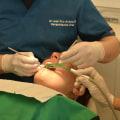
Maintaining optimal dental hygiene is crucial for overall health, and one of the most effective ways to achieve this is through regular teeth cleaning. This essential practice not only helps in keeping your smile bright but also plays a significant role in preventing a variety of dental issues, such as cavities, gum disease, and bad breath. By understanding the importance of teeth cleaning, you can take proactive steps towards ensuring your oral health remains in top condition. The benefits of regular teeth cleaning extend beyond just aesthetics. Professional cleanings remove plaque and tartar buildup that regular brushing and flossing may miss.
This buildup can lead to serious complications if left untreated, including tooth decay and periodontal disease. Moreover, routine cleanings provide an opportunity for dental professionals to identify potential problems early on, allowing for timely intervention and treatment. In addition to physical health benefits, maintaining a consistent teeth cleaning schedule can also boost your confidence. A clean mouth contributes to fresh breath and a radiant smile, which can positively impact social interactions and self-esteem. As we delve deeper into the recommended frequency for teeth cleaning, it’s essential to recognize that these practices are not merely about maintaining appearances; they are foundational to long-term health and well-being.
How Often Should You Get Your Teeth Cleaned?
When it comes to teeth cleaning, the recommended frequency can vary based on individual dental health needs.However, most dental professionals suggest that adults should have their teeth cleaned at least twice a year. This biannual schedule is designed to help prevent plaque buildup, cavities, and gum disease.
Factors Influencing Cleaning Frequency
- Oral Health Status: Individuals with a history of gum disease or other dental issues may require more frequent cleanings, possibly every three to four months.
- Age: Children and teenagers may also need more frequent visits as their teeth are still developing and they are more prone to cavities.
- Personal Habits: Smokers or those with poor oral hygiene practices might benefit from more regular cleanings.
Benefits of Regular Teeth Cleanings
- Prevention of Dental Issues: Regular cleanings help catch potential problems early, reducing the risk of more severe conditions.
- Improved Oral Hygiene: Professional cleanings remove tartar and plaque that regular brushing and flossing may miss.
- Fresh Breath: Routine cleanings contribute to better breath by eliminating bacteria that cause bad odors.
Factors Influencing Teeth Cleaning Frequency
When considering the frequency of teeth cleaning, several key factors come into play that can significantly influence how often an individual should schedule their dental appointments.Understanding these factors can help tailor a personalized dental care routine.
- Age: As individuals age, their dental health needs may change. Children and teenagers often require more frequent cleanings due to the development of new teeth and the potential for cavities. Conversely, older adults may face different challenges, such as gum disease, which could necessitate more regular visits.
- Health Conditions: Certain medical conditions can impact oral health and the recommended frequency of teeth cleaning. For instance, individuals with diabetes are at a higher risk for gum disease and may benefit from more frequent cleanings.
Similarly, those undergoing treatments like chemotherapy or taking medications that cause dry mouth should consult their dentist about an appropriate cleaning schedule.
- Personal Dental Hygiene Practices: A strong at-home dental care routine can influence how often professional cleanings are needed. Individuals who consistently brush and floss their teeth may maintain better oral health and require less frequent cleanings. On the other hand, neglecting daily oral hygiene can lead to plaque buildup and necessitate more regular visits to the dentist.
- Risk Factors for Dental Issues: Lifestyle choices such as smoking, excessive alcohol consumption, or a diet high in sugar can increase the risk of dental problems. Those with these risk factors may need to schedule cleanings more frequently to prevent issues like cavities or gum disease.
Regular consultations with a dental professional can help determine the best cleaning schedule based on individual circumstances and needs.
What to Expect During a Teeth Cleaning Appointment
During a teeth cleaning appointment, patients can expect a thorough examination and a series of procedures designed to promote oral health. The process typically begins with a dental hygienist reviewing your medical history and discussing any concerns you may have regarding your teeth or gums.Initial Examination
- The hygienist will visually inspect your mouth for signs of plaque, tartar buildup, and gum disease.
- X-rays may be taken to identify any underlying issues that are not visible during the visual examination.
Scaling
Once the initial examination is complete, the hygienist will begin the teeth cleaning process by using specialized tools to remove plaque and tartar from the surfaces of your teeth. This process, known as scaling, is crucial as it helps prevent cavities and gum disease.
Polishing
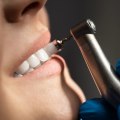
After scaling, your teeth will be polished using a gritty toothpaste and a high-powered electric toothbrush. This step not only makes your teeth feel smooth but also helps to remove any remaining stains, leaving you with a brighter smile.
Flossing
The hygienist will then floss between your teeth to ensure that all debris is removed from hard-to-reach areas.
This step is essential for maintaining healthy gums and preventing future dental issues.
Fluoride Treatment
Finally, many dental offices offer a fluoride treatment at the end of the appointment. This treatment helps to strengthen tooth enamel and provides additional protection against cavities.Overall, a dental cleaning appointment typically lasts about 30 to 60 minutes, depending on individual needs. Regular visits not only keep your smile looking its best but also play a vital role in preventing serious dental problems down the line.
Signs You May Need More Frequent Cleanings
Understanding when you might need more frequent teeth cleaning is crucial for maintaining optimal oral health. While most individuals benefit from biannual cleanings, certain signs may indicate that you should visit your dentist more often.- Increased Plaque Buildup: If you notice a significant amount of plaque or tartar on your teeth between cleanings, it may be time to schedule an additional appointment.
This buildup can lead to cavities and gum disease if not addressed promptly.
- Persistent Bad Breath: Chronic bad breath, or halitosis, can be a sign of underlying dental issues. If regular brushing and flossing do not alleviate this problem, it may indicate the need for more frequent professional cleanings.
- Gum Sensitivity or Bleeding: Experiencing sensitivity or bleeding gums during brushing or flossing is a red flag. These symptoms can signal gum disease, which requires immediate attention and possibly more frequent cleanings to manage effectively.
- Changes in Oral Health: If you have recently undergone dental procedures, such as orthodontics or implants, your dentist may recommend more frequent cleanings to ensure everything is healing properly and to prevent complications.
- Medical Conditions: Certain health conditions, such as diabetes or heart disease, can affect your oral health. If you have any chronic illnesses, consult your dentist about whether you should increase the frequency of your cleanings.
If you experience any of these signs, don’t hesitate to reach out to your dentist for advice on adjusting your cleaning schedule.
Teeth Cleaning for Different Age Groups
Maintaining optimal oral health is crucial at every stage of life, and teeth cleaning frequency varies significantly among different age groups. Understanding these recommendations can help ensure that individuals receive the appropriate care for their unique dental needs.Children
For children, the American Dental Association (ADA) recommends that teeth cleaning should begin as soon as their first tooth erupts, typically around six months of age. Regular visits to the dentist should occur every six months. This schedule helps monitor the development of their teeth and allows for early intervention if any issues arise.Additionally, parents should assist with brushing twice a day using fluoride toothpaste to establish good oral hygiene habits.
Adults
Adults are generally advised to have a professional teeth cleaning every six months as well. This frequency is essential for preventing gum disease and cavities, especially as adults may face increased risks due to lifestyle factors such as diet and smoking. However, individuals with specific dental concerns, such as periodontal disease or a history of cavities, may require more frequent cleanings—potentially every three to four months. Regular check-ups allow dentists to provide personalized recommendations based on individual oral health status.Seniors
Seniors often experience unique dental challenges, including dry mouth and increased susceptibility to decay.Therefore, it is advisable for older adults to maintain a teeth cleaning schedule of at least twice a year. Some may benefit from more frequent visits depending on their overall health and any existing dental conditions. Regular cleanings can help manage these issues effectively and ensure that seniors maintain their natural teeth for as long as possible.In summary, while the general guideline for teeth cleaning is every six months for both children and adults, individual circumstances may necessitate adjustments in frequency. Consulting with a dental professional can provide tailored advice that aligns with one’s specific needs.
FAQs About Teeth Cleaning Frequency
When it comes to teeth cleaning, many people have questions about how often they should schedule appointments with their dentist.Here are some common inquiries regarding teeth cleaning frequency:
- How often should I get my teeth cleaned?
Most dental professionals recommend that adults have their teeth cleaned at least twice a year. However, individuals with specific dental issues or higher risk factors may need to visit more frequently. - What factors influence the frequency of teeth cleaning?
Several factors can affect how often you should have your teeth cleaned, including:- Your overall oral health
- The presence of gum disease
- Your personal oral hygiene habits
- Dietary choices, particularly sugar intake
- Can I wait longer than six months for a cleaning?
While some people may feel comfortable extending their cleaning schedule, waiting longer than six months can lead to plaque buildup and potential dental issues. It's best to consult with your dentist about your specific needs. - What happens during a teeth cleaning appointment?
During a typical teeth cleaning, a dental hygienist will:- Examine your mouth for any signs of dental problems.
- Remove plaque and tartar from your teeth.
- Polish your teeth to remove surface stains.
- Provide guidance on improving your oral hygiene routine.
Conclusion: Maintaining Optimal Oral Health Through Regular Cleanings
In conclusion, maintaining optimal oral health is significantly influenced by adhering to the recommended frequency for teeth cleaning.Regular visits to your dentist for professional cleanings not only help in removing plaque and tartar buildup but also play a crucial role in preventing serious dental issues such as cavities and gum disease.As discussed, the general guideline suggests that individuals should schedule a teeth cleaning every six months. However, this frequency may vary based on individual needs:
- High-Risk Patients: Those with a history of dental problems or specific health conditions may require more frequent cleanings, possibly every three to four months.
- Low-Risk Patients: Individuals with excellent oral hygiene practices and no significant dental issues might maintain their oral health with annual cleanings.
Make it a point to schedule your next visit and commit to a routine that supports your dental wellness.