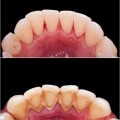
Gum disease, also known as periodontal disease, is a common yet serious condition that affects the tissues surrounding the teeth. It typically begins with gingivitis, characterized by inflammation and bleeding of the gums, often caused by the accumulation of plaque. If left untreated, gingivitis can progress to periodontitis, a more severe form of gum disease that can lead to tooth loss and other health complications. Understanding the different stages of gum disease is crucial for maintaining optimal oral health.The symptoms of gum disease can vary but often include swollen or tender gums, persistent bad breath, and receding gums.
These signs indicate that your oral health may be compromised, making it essential to seek professional dental care. The impact of gum disease extends beyond the mouth; studies have linked it to systemic conditions such as heart disease and diabetes, highlighting the importance of addressing any signs of gum issues promptly. For individuals with a history of gum disease, the question arises: Can I still get my teeth cleaned? The answer is generally yes, but it requires careful consideration and possibly a tailored approach. Regular teeth cleaning is vital for removing plaque and tartar buildup, which can exacerbate gum disease. However, your dentist may recommend more frequent cleanings or specific treatments to ensure that your gums remain healthy and to prevent further complications.
The Importance of Regular Teeth Cleaning
Regular teeth cleaning is a cornerstone of effective dental hygiene and plays a crucial role in maintaining oral health, especially for individuals with a history of gum disease.This preventive measure not only helps in removing plaque and tartar buildup but also significantly reduces the risk of further complications associated with gum disease.One of the primary benefits of regular teeth cleaning is the prevention of periodontal disease progression. When plaque is allowed to accumulate, it can lead to inflammation and infection of the gums, which may result in tooth loss if left untreated. By scheduling routine cleanings, you can help ensure that your gums remain healthy and free from disease.
- Improved Oral Health: Regular cleanings help maintain a healthy mouth by removing harmful bacteria that contribute to gum disease.
- Early Detection: Dental professionals can identify early signs of gum disease during cleanings, allowing for timely intervention.
- Fresh Breath: Routine cleanings eliminate food particles and bacteria that cause bad breath, promoting a fresher mouth.
- Overall Well-Being: Good oral health is linked to overall health; regular cleanings can reduce the risk of systemic conditions such as heart disease and diabetes.
For those with a history of gum disease, this partnership between patient and dentist is vital for achieving long-term oral health.In conclusion, prioritizing regular teeth cleaning is essential not only for preventing further gum disease but also for enhancing your overall health. If you have concerns about your dental history, consult with your dentist to create a personalized cleaning schedule that meets your needs.
Can You Get Your Teeth Cleaned with a History of Gum Disease?
If you have a history of gum disease, you might be wondering if it’s safe to undergo teeth cleaning. The good news is that regular dental cleanings are not only safe but also essential for maintaining oral health, especially for those with a history of periodontal issues.Understanding Gum Disease and Its Impact
Gum disease, or periodontal disease, can lead to inflammation and infection of the gums, which may result in tooth loss if left untreated. However, teeth cleaning plays a crucial role in managing this condition.
During a professional cleaning, your dentist or hygienist will remove plaque and tartar buildup that can exacerbate gum disease.
Frequency of Dental Cleanings
For individuals with a history of gum disease, more frequent cleanings may be recommended. While the standard recommendation is every six months, those with periodontal issues might benefit from cleanings every three to four months. This proactive approach helps keep the gums healthy and prevents further complications.
What to Expect During Your Cleaning
- Assessment: Your dental professional will first assess the health of your gums and teeth.
- Scaling: This involves removing plaque and tartar from above and below the gum line.
- Root Planing: If necessary, this deeper cleaning technique smooths the roots of your teeth to help gums reattach.
- Post-Cleaning Care: Your dentist may recommend specific oral hygiene practices to maintain gum health.
Consultation is Key
Before scheduling your dental cleaning, it’s important to consult with your dentist about your specific situation. They can tailor a cleaning schedule that suits your needs and ensure that any underlying issues are addressed.
Remember, maintaining regular dental visits is vital for preventing the progression of gum disease and ensuring long-term oral health.
Types of Teeth Cleaning Procedures Available
When it comes to teeth cleaning, there are several procedures designed to cater to different dental needs, especially for those with a history of gum disease. Understanding these options can help you make informed decisions about your oral health.Routine Teeth Cleaning
A routine teeth cleaning, often referred to as a prophylaxis, is typically recommended for individuals with healthy gums. This procedure involves the removal of plaque and tartar buildup from the surfaces of the teeth and is usually performed every six months. For patients with a history of gum disease, however, the frequency of these cleanings may need to be increased to every three to four months to effectively manage their condition.Deep Cleaning: Scaling and Root Planing
For those with gum disease, a more intensive approach known as scaling and root planing may be necessary.This deep cleaning procedure targets the areas below the gum line where bacteria accumulate. Scaling involves the removal of plaque and tartar from both above and below the gum line, while root planing smooths out the roots of the teeth to help gums reattach and heal.
- Scaling: This process is crucial for removing hardened plaque (tartar) that regular brushing cannot eliminate.
- Root Planing: By smoothing the tooth roots, this step helps reduce inflammation and promotes healing in the gums.
What to Expect During a Teeth Cleaning Appointment
When you arrive for your teeth cleaning appointment, the dental team will first review your medical history, especially if you have a history of gum disease.This is crucial as it helps the dentist tailor the cleaning process to your specific needs.
Initial Assessment
- The dental hygienist will conduct a thorough examination of your mouth, checking for signs of gum disease or other dental issues.
- X-rays may be taken to assess the health of your teeth and bone structure, particularly if you have had previous gum problems.
The Cleaning Process
During the actual teeth cleaning, the hygienist will use specialized tools to remove plaque and tartar buildup. Here’s what you can expect:
- Ultrasonic Scaler: This tool uses vibrations to break up tartar and is often used for patients with a history of gum disease, as it can be more effective in hard-to-reach areas.
- Hand Instruments: After the ultrasonic scaler, hand tools may be used for detailed cleaning around the gum line.
- Polishing: A gritty toothpaste-like substance is applied to polish your teeth, leaving them smooth and shiny.
- Fluoride Treatment: Depending on your needs, a fluoride treatment may be applied to help strengthen your enamel and protect against cavities.
Post-Cleaning Care
After your cleaning, the dentist will discuss any findings and recommend a follow-up plan if necessary. If you have a history of gum disease, they may suggest more frequent cleanings or additional treatments to maintain your oral health.
Preparation Tips
- Arrive with a list of any medications you are taking or any changes in your health since your last visit.
- If you have anxiety about dental visits, consider discussing this with your dentist beforehand; they can provide options to help you feel more comfortable.
- Avoid eating immediately before your appointment to ensure a smoother cleaning process.
Post-Cleaning Care for Patients with Gum Disease
After undergoing a teeth cleaning, especially for individuals with a history of gum disease, proper aftercare is crucial to ensure optimal healing and to prevent the recurrence of gum issues. Here are some essential tips for maintaining your oral hygiene post-cleaning:- Follow Your Dentist's Instructions: Always adhere to any specific aftercare instructions provided by your dental professional.
They may recommend particular products or techniques tailored to your needs.
- Maintain a Gentle Oral Hygiene Routine: For the first few days after your cleaning, use a soft-bristled toothbrush and be gentle while brushing. This helps avoid irritation to sensitive gums.
- Rinse with Salt Water: A warm saltwater rinse can help soothe your gums and promote healing. Mix about half a teaspoon of salt in a glass of warm water and rinse gently.
- Avoid Certain Foods: Steer clear of hard, crunchy, or spicy foods for at least 24 hours post-cleaning. These can irritate your gums and disrupt the healing process.
- Stay Hydrated: Drinking plenty of water helps keep your mouth moist and aids in the healing process.
It also helps wash away food particles and bacteria.
- Use Antimicrobial Mouthwash: If recommended by your dentist, an antimicrobial mouthwash can help reduce bacteria in your mouth, further protecting your gums.
- Regular Dental Check-ups: Schedule regular visits with your dentist for cleanings and check-ups to monitor your gum health.
- Daily Flossing: Flossing daily removes plaque and food particles from between teeth where toothbrushes can’t reach, significantly reducing the risk of gum disease.
- Healthy Diet: A balanced diet rich in vitamins and minerals supports gum health. Foods high in vitamin C, such as oranges and strawberries, can be particularly beneficial.
Frequently Asked Questions About Teeth Cleaning and Gum Disease
When it comes to teeth cleaning for individuals with a history of gum disease, several common questions arise. Understanding these can help alleviate concerns and promote better dental health.- Can I still get my teeth cleaned if I have gum disease?
Yes, you can and should get your teeth cleaned even if you have a history of gum disease. In fact, regular cleanings are crucial for managing the condition and preventing further complications. - How often should I have my teeth cleaned?
For those with a history of gum disease, dentists often recommend more frequent cleanings, typically every three to four months, rather than the standard six-month interval. - Will the cleaning hurt?
While some discomfort may occur, especially if your gums are inflamed, dental professionals use various techniques and numbing agents to minimize pain.Communicate with your dentist about any concerns you have regarding discomfort.
- What happens during a teeth cleaning?
During a cleaning, the dental hygienist will remove plaque and tartar buildup from your teeth and below the gum line. They may also perform scaling and root planing if necessary, which is particularly important for those with gum disease. - Are there any risks associated with teeth cleaning for gum disease patients?
While there are minimal risks, such as temporary sensitivity or bleeding gums, the benefits of regular cleanings far outweigh these concerns. Proper care can significantly improve your oral health.
Conclusion: Prioritizing Your Oral Health with Professional Care
In conclusion, maintaining your oral health is crucial, especially if you have a history of gum disease.Regular teeth cleaning is not just a cosmetic procedure; it plays a vital role in preventing further complications associated with periodontal issues. By prioritizing professional dental care, you can significantly reduce the risk of tooth loss and other serious health problems. It’s essential to understand that while teeth cleaning is safe for individuals with gum disease, it should be approached with caution. Here are some key takeaways:
- Consultation is Key: Always consult your dentist before scheduling a cleaning. They can assess the current state of your gums and recommend the best course of action.
- Frequency Matters: Depending on the severity of your gum disease, your dentist may suggest more frequent cleanings to manage plaque and tartar buildup effectively.
- Customized Care: Your dental professional may offer tailored treatments, such as deep cleanings or scaling and root planing, to address your specific needs.
Remember, investing in your oral health today can lead to a brighter, healthier smile tomorrow. Don’t hesitate to reach out to your dentist to discuss any concerns you may have regarding teeth cleaning and your gum health.