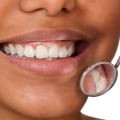
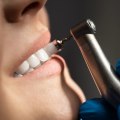
Teeth cleaning is a fundamental aspect of dental hygiene that plays a crucial role in maintaining not only the health of your teeth but also your overall well-being. This process typically involves the removal of plaque, tartar, and stains from the surfaces of your teeth, which can accumulate over time despite regular brushing and flossing. Understanding what teeth cleaning entails is essential for anyone looking to preserve their oral health and prevent potential dental issues. During a professional teeth cleaning session, a dental hygienist or dentist employs specialized tools to thoroughly clean your teeth. This procedure goes beyond what you can achieve at home, as it targets areas that are often missed during daily brushing.
The significance of regular teeth cleaning cannot be overstated; it not only helps in preventing cavities and gum disease but also contributes to fresher breath and a brighter smile. Moreover, regular visits for teeth cleaning allow dental professionals to monitor your oral health closely. They can identify early signs of problems such as tooth decay or gum disease, enabling timely intervention. By prioritizing teeth cleaning, you are investing in your long-term health and ensuring that your smile remains vibrant and healthy for years to come.
Preventing Tooth Decay and Cavities
Regular teeth cleaning is essential for maintaining optimal oral health, particularly in preventing tooth decay and cavities. One of the primary benefits of professional teeth cleaning is the effective removal of plaque and tartar buildup.Plaque is a sticky film of bacteria that forms on teeth, and if not removed, it can harden into tartar, which is much more difficult to eliminate.When plaque and tartar accumulate, they create an environment conducive to the development of cavities. These cavities occur when acids produced by bacteria in plaque erode the enamel, leading to holes in the teeth. Regular visits to the dentist for teeth cleaning help to disrupt this cycle by:
- Removing Plaque: Professional cleanings effectively eliminate plaque that regular brushing may miss, especially in hard-to-reach areas.
- Preventing Tartar Formation: By keeping plaque levels low, regular cleanings prevent the hardening of plaque into tartar.
- Identifying Early Signs: Dentists can spot early signs of decay during cleanings, allowing for timely intervention before serious damage occurs.
By investing in regular cleanings, you are taking a proactive approach to your dental care.In summary, the benefits of regular teeth cleaning extend beyond just a bright smile; they play a crucial role in preventing tooth decay and cavities. By prioritizing these cleanings, you are safeguarding your teeth against future problems and ensuring a healthier mouth.
Gum Health and Prevention of Periodontal Disease
Regular teeth cleaning is essential for maintaining optimal gum health and preventing the onset of periodontal disease. This condition, which affects the tissues surrounding the teeth, can lead to serious complications if left untreated. By scheduling routine dental cleanings, individuals can significantly reduce their risk of developing gum disease.Gum disease
typically begins with gingivitis, characterized by inflammation and bleeding of the gums.If not addressed, it can progress to periodontitis, where the supporting structures of the teeth are compromised. Regular professional cleanings help remove plaque and tartar buildup that contribute to these conditions.
- Prevention of Plaque Buildup: Dental hygienists use specialized tools to thoroughly clean areas that are difficult to reach with regular brushing and flossing. This helps prevent plaque from hardening into tartar, which can lead to gum disease.
- Early Detection: During a cleaning appointment, dental professionals can identify early signs of gum disease. Early intervention is crucial for effective treatment and can save patients from more invasive procedures later on.
- Improved Oral Hygiene Education: Dental cleanings often come with personalized advice on maintaining good oral hygiene at home.
This education empowers patients to take proactive steps in caring for their gums.
Fresh Breath and Improved Aesthetic Appeal
Regular teeth cleaning is essential not only for maintaining oral health but also for ensuring fresh breath and enhancing your overall aesthetic appeal.When plaque and tartar build up on your teeth, they can lead to bad breath, which can be socially embarrassing and affect your confidence in interactions.During a professional teeth cleaning, dental hygienists remove these harmful deposits, significantly reducing the bacteria that cause unpleasant odors. This process not only leaves your mouth feeling cleaner but also contributes to a fresher breath that can last for weeks.
The Impact on Aesthetic Appeal
A clean smile is often perceived as a healthy smile. Regular teeth cleaning helps to remove surface stains caused by food, beverages, and tobacco, resulting in a brighter and more attractive smile. This aesthetic improvement can have a profound effect on your self-esteem and how you present yourself in social situations.- Boosts Confidence: A whiter, cleaner smile can make you feel more confident when speaking or smiling at others.
- Enhances Social Interactions: Fresh breath and an appealing smile can lead to more positive social interactions, making it easier to connect with others.
- Promotes Better First Impressions: A bright smile is often one of the first things people notice, influencing their perception of you.
By investing in routine dental cleanings, you are not only taking care of your teeth but also boosting your confidence and improving your social life.
Early Detection of Dental Issues
Regular teeth cleaning appointments are not just about maintaining a bright smile; they play a crucial role in the early detection of dental issues. During these visits, dental professionals conduct thorough examinations that can uncover potential problems before they escalate into more serious conditions.One of the primary benefits of routine cleanings is the opportunity for dental checkups. These checkups allow dentists to assess your oral health comprehensively. They can identify early signs of cavities, gum disease, and even oral cancer.By catching these issues early, patients can avoid more invasive treatments and higher costs down the line.For instance, if a dentist detects the initial stages of gum disease during a cleaning, they can recommend appropriate interventions such as improved oral hygiene practices or more frequent cleanings. This proactive approach not only helps in preserving your teeth but also contributes to your overall health, as untreated dental issues can lead to systemic problems.Moreover, regular cleanings help in monitoring existing dental work, such as fillings or crowns. Over time, these restorations may wear down or become compromised. Early detection during a cleaning can prompt timely repairs, ensuring that your dental health remains intact.In summary, the benefits of regular teeth cleaning extend far beyond aesthetics.
They provide an essential opportunity for early detection of potential dental issues, leading to timely interventions and significantly better outcomes for your oral health.
Cost-Effectiveness of Preventive Care
Investing in regular teeth cleaning is not just about maintaining a bright smile; it also represents a significant cost-effective strategy for long-term dental health. By prioritizing preventive care, individuals can avoid the financial burden associated with more extensive dental treatments that arise from neglecting oral hygiene.One of the primary benefits of routine teeth cleaning is the reduction in the risk of developing serious dental issues, such as cavities, gum disease, and tooth loss. These conditions often require costly interventions, including fillings, root canals, or even extractions. According to dental health experts, the cost of a single dental cleaning is substantially lower than the cumulative expenses of treating advanced dental problems.- Preventive Care Savings: Regular cleanings can save patients hundreds to thousands of dollars over time.
For instance, a typical teeth cleaning may cost between $75 and $200, while treating a cavity can range from $150 to $300 or more.
- Insurance Benefits: Many dental insurance plans cover preventive services like teeth cleaning at 100%, meaning patients can take advantage of these services without any out-of-pocket costs.
- Early Detection: During routine cleanings, dentists can identify potential issues early on. This proactive approach not only helps in maintaining oral health but also minimizes future treatment costs.
By committing to routine dental visits and cleanings, individuals not only enhance their oral health but also safeguard their finances against unexpected and often expensive dental treatments in the future.
Teeth Cleaning Frequency Recommendations
Understanding how often you should schedule teeth cleaning appointments is crucial for maintaining optimal oral health. The frequency of these cleanings can vary based on several factors, including age, dental health, and personal habits.General Recommendations
For most adults, it is recommended to have a professional teeth cleaning every six months. This schedule allows dental professionals to effectively remove plaque and tartar buildup, which can lead to cavities and gum disease if left untreated.Factors Influencing Cleaning Frequency
- Age: Children and teenagers may require more frequent cleanings due to the ongoing development of their teeth and the higher likelihood of cavities.
- Oral Health Status: Individuals with gum disease or other dental issues may need to visit the dentist every three to four months for more intensive care.
- Personal Habits: Smokers or those with poor oral hygiene practices may also benefit from more frequent cleanings to combat the effects of tobacco and plaque accumulation.
Dental Hygiene Tips
In addition to regular teeth cleaning, maintaining a good at-home oral hygiene routine is essential. Here are some tips:- Brush twice a day: Use fluoride toothpaste and a soft-bristled toothbrush.
- Floss daily: This helps remove food particles and plaque from between teeth where a toothbrush can't reach.
- Use mouthwash: An antibacterial mouthwash can help reduce plaque and prevent gum disease.
They can provide personalized recommendations based on your specific needs and oral health status.
What to Expect During a Teeth Cleaning Appointment
When you arrive for your teeth cleaning appointment, the process typically begins with a warm welcome from the dental staff. They will guide you to the treatment room and ask you to settle into the dental chair, which is designed for your comfort.Initial Assessment
- Your dental hygienist will start by reviewing your medical history and any concerns you may have regarding your oral health.
- A quick examination of your mouth will be conducted to check for any signs of gum disease or cavities.
Teeth Cleaning Process
- Scaling: The hygienist will use specialized tools to remove plaque and tartar buildup from your teeth. This process may involve both manual instruments and ultrasonic devices that help break down stubborn deposits.
- Polishing: After scaling, your teeth will be polished using a gritty toothpaste-like substance. This step not only makes your teeth feel smooth but also helps remove surface stains.
- Flossing: The hygienist will floss between your teeth to ensure that all debris is removed, which is crucial for maintaining healthy gums.
- Fluoride Treatment: Depending on your needs, a fluoride treatment may be applied to strengthen your enamel and protect against cavities.
Post-Cleaning Discussion
- Your dentist will review the results of the cleaning and discuss any areas of concern.
- You will receive personalized advice on maintaining oral hygiene at home, including brushing techniques and dietary recommendations.
Understanding what happens during this visit can help alleviate any anxiety you may have about dental visits, making it easier for you to prioritize your oral health.
Conclusion: The Importance of Regular Teeth Cleaning for Lifelong Oral Health
In conclusion, the benefits of regular teeth cleaning extend far beyond just maintaining a bright smile. By prioritizing routine dental cleanings, individuals can significantly enhance their overall oral health and well-being. Throughout this article, we have explored several key advantages of consistent teeth cleaning:- Prevention of Tooth Decay: Regular cleanings help remove plaque and tartar buildup, which are primary contributors to cavities and tooth decay.
- Reduction of Gum Disease: Professional cleanings can prevent gingivitis and periodontitis, conditions that can lead to tooth loss if left untreated.
- Fresh Breath: Routine cleanings eliminate bacteria that cause bad breath, promoting a healthier mouth and more confident interactions.
- Early Detection of Oral Issues: Dental professionals can identify potential problems early on during cleanings, allowing for timely intervention and treatment.
- Overall Health Benefits: Maintaining good oral hygiene through regular teeth cleaning has been linked to lower risks of systemic diseases such as heart disease and diabetes.