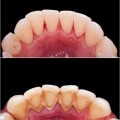
Many individuals experience sensitive teeth, a condition that can make everyday activities like eating, drinking, and even brushing a painful ordeal. Sensitive teeth occur when the underlying layer of the tooth, known as dentin, becomes exposed due to various factors. This exposure can lead to discomfort when consuming hot, cold, or sweet foods and beverages. Understanding the causes and symptoms of sensitive teeth is crucial, especially when considering dental procedures such as teeth cleaning.Common causes of sensitive teeth include worn enamel, gum recession, and dental cavities.
Enamel erosion can result from acidic foods and beverages, while gum recession may expose the sensitive roots of the teeth. Additionally, conditions like bruxism (teeth grinding) can contribute to enamel wear and increase sensitivity. Symptoms often manifest as sharp pain or discomfort in response to temperature changes or certain types of food, making it essential for individuals to recognize these signs. As we delve deeper into the topic of teeth cleaning, it’s important to address how these sensitivities can impact your dental care routine. Many people with sensitive teeth may hesitate to undergo professional cleanings due to fear of exacerbating their discomfort.
However, understanding your sensitivity and discussing it with your dentist can lead to tailored solutions that ensure both effective cleaning and comfort during the process.
What is Teeth Cleaning?
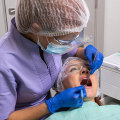
Teeth cleaning, also known as dental cleaning, is a crucial part of maintaining oral health. It involves the removal of plaque, tartar, and stains from the teeth, which can accumulate over time despite regular brushing and flossing. This process is typically performed by a dental hygienist or dentist and is recommended at least twice a year for optimal oral hygiene.The dental cleaning process generally includes several key steps:- Initial Examination: The dentist or hygienist will first examine your mouth to assess your overall dental health and identify any areas of concern.
- Scaling: Using specialized tools, the hygienist will remove plaque and tartar buildup from the surfaces of your teeth, especially around the gum line.
- Polishing: After scaling, your teeth will be polished with a gritty toothpaste to remove surface stains and make them shine.
- Flossing: The hygienist will floss between your teeth to ensure that all debris is removed and to help prevent gum disease.
- Fluoride Treatment: A fluoride treatment may be applied to strengthen tooth enamel and protect against cavities.
They also allow for early detection of potential problems, which can save you time and money in the long run. Moreover, maintaining good oral hygiene through regular cleanings contributes to overall health, as poor dental health has been linked to various systemic conditions.In summary, teeth cleaning is an essential practice for anyone looking to maintain a healthy smile. If you have sensitive teeth, it’s important to communicate this with your dental professional so they can tailor the cleaning process to ensure your comfort while still providing the necessary care.
Can You Get Your Teeth Cleaned with Sensitive Teeth?
Many people with sensitive teeth often wonder if they can safely undergo a teeth cleaning. The good news is that, in most cases, it is not only possible but also beneficial to have your teeth cleaned even if you experience sensitivity.However, there are important considerations to keep in mind.
Understanding Sensitivity
Sensitivity in teeth can arise from various factors, including worn enamel, gum recession, or dental issues. This sensitivity can make certain dental procedures uncomfortable. However, dental professionals are trained to handle such situations and can adjust their techniques accordingly.
Communicate with Your Dentist
Before your teeth cleaning, it’s crucial to inform your dentist about your sensitivity. They may recommend using a desensitizing toothpaste prior to the appointment or applying a topical anesthetic during the cleaning process.
This communication ensures that your cleaning experience is as comfortable as possible.
Is Teeth Cleaning Safe?
- Yes, teeth cleaning is generally safe for individuals with sensitive teeth.
- The dental hygienist can use gentler techniques and tools designed for sensitive teeth.
- Regular cleanings can help prevent further issues that may exacerbate sensitivity.
Post-Cleaning Care
After your cleaning, you might experience some temporary sensitivity. To alleviate discomfort:
- Use a soft-bristled toothbrush.
- Avoid extremely hot or cold foods and beverages for a few days.
- Consider using fluoride mouthwash or desensitizing toothpaste.
Preparing for Your Dental Cleaning Appointment
Preparing for a dental cleaning appointment when you have sensitive teeth requires some thoughtful planning to ensure a comfortable experience. Here are some tips to help you get ready:- Communicate with Your Dentist: Before your appointment, it’s crucial to inform your dentist about your sensitivity.
This allows them to tailor the cleaning process to your needs. Be specific about what triggers your sensitivity, whether it’s hot, cold, or certain types of pressure.
- Ask About Techniques and Tools: Inquire if your dentist uses special techniques or tools designed for patients with sensitive teeth. For instance, ultrasonic cleaners can be gentler than traditional methods.
- Consider Pre-Treatment Options: Discuss the possibility of using desensitizing toothpaste or fluoride treatments before the cleaning. These can help minimize discomfort during the procedure.
- Avoid Certain Foods: In the days leading up to your appointment, try to avoid extremely hot or cold foods and beverages that may exacerbate your sensitivity.
- Practice Good Oral Hygiene: Maintain a consistent oral hygiene routine leading up to your appointment.
This includes gentle brushing with a soft-bristled toothbrush and using a non-abrasive toothpaste.
- Stay Relaxed: Anxiety can heighten sensitivity. Consider relaxation techniques such as deep breathing or listening to calming music before your visit.
What to Expect During the Cleaning Process
When you visit the dentist for a teeth cleaning, especially if you have sensitive teeth, understanding the process can help ease any anxiety. Here’s what you can typically expect during your appointment:- Initial Examination: Your dental hygienist will start with a thorough examination of your mouth. This includes checking for any signs of gum disease or cavities, which is crucial for patients with sensitive teeth.
- Scaling: Using specialized tools, the hygienist will remove plaque and tartar buildup from your teeth.
For those with sensitivity, ultrasonic scalers may be used, as they can be gentler on the enamel.
- Polishing: After scaling, your teeth will be polished with a gritty toothpaste-like substance. This step not only makes your teeth feel smooth but also helps remove any remaining stains.
- Flossing: The hygienist will floss between your teeth to ensure that all debris is removed. This is particularly important for sensitive areas that may be prone to discomfort.
- Fluoride Treatment: A fluoride treatment may be applied to strengthen your enamel and protect against sensitivity. This is often a gel or foam that is placed in a tray and left on for a few minutes.
They can adjust their techniques and tools to minimize discomfort. For instance, they might use a softer scaler or apply desensitizing agents during the procedure.Overall, while the teeth cleaning process involves several steps, it is designed to promote oral health and can be tailored to accommodate those with sensitivity issues. Regular cleanings are vital for maintaining healthy teeth and gums, so don’t hesitate to seek care even if you have concerns about sensitivity.
Post-Cleaning Care for Sensitive Teeth
After undergoing a teeth cleaning, especially if you have sensitive teeth, it’s essential to take proper care to minimize discomfort and promote healing. Here are some effective strategies for post-cleaning care:1.Avoid Certain Foods and Beverages
- Steer clear of hot and cold items: Immediately after your cleaning, your teeth may be more sensitive to temperature extremes.
Avoid consuming hot coffee or cold ice cream for at least 24 hours.
- Limit acidic foods: Foods like citrus fruits and vinegar can exacerbate sensitivity. Opt for bland, soft foods that are easier on your teeth.
2.Use a Soft-Bristled Toothbrush
Switching to a soft-bristled toothbrush can significantly reduce irritation on sensitive gums and teeth. Brush gently to avoid further discomfort.3.Choose the Right Toothpaste
Consider using a toothpaste designed for sensitive teeth. These products contain compounds that help block pain signals from the tooth surface to the nerve, providing relief.4.Maintain Good Oral Hygiene
Even with sensitivity, it’s crucial to maintain a consistent oral hygiene routine:- Brush twice daily: Continue brushing your teeth at least twice a day, but be gentle.
- Floss daily: Flossing helps remove plaque between teeth where a toothbrush may not reach, reducing the risk of sensitivity.
5.Rinse with Warm Salt Water
A warm saltwater rinse can help soothe your gums and reduce inflammation.Mix about half a teaspoon of salt in a glass of warm water and rinse gently.
6.Consult Your Dentist
If sensitivity persists beyond a few days, it’s advisable to consult your dentist. They may recommend additional treatments or adjustments to your oral care routine.By following these tips, you can effectively manage sensitivity after a dental cleaning, ensuring your mouth remains healthy and comfortable.Frequently Asked Questions About Teeth Cleaning and Sensitivity
When it comes to teeth cleaning, many individuals with sensitive teeth have questions and concerns. Here are some frequently asked questions that can help clarify the process and alleviate worries.- Can I still get my teeth cleaned if I have sensitive teeth?
Yes, you can still receive a teeth cleaning even if you have sensitive teeth. Dental professionals are trained to handle sensitivity and can adjust their techniques to ensure your comfort during the procedure. - What should I tell my dentist about my sensitivity?
It’s important to inform your dentist about your sensitivity before the cleaning begins.This allows them to use gentler methods and possibly recommend desensitizing treatments or products.
- Will the cleaning process make my sensitivity worse?
While some patients may experience temporary discomfort during or after a cleaning, most find that regular cleanings actually help reduce sensitivity over time by removing plaque and tartar buildup. - Are there special techniques for cleaning sensitive teeth?
Yes, dentists may use softer instruments or lower pressure during the cleaning process for patients with sensitive teeth. They might also apply a desensitizing agent before starting the cleaning. - What can I do to manage sensitivity before my appointment?
Consider using a toothpaste designed for sensitive teeth in the weeks leading up to your appointment. Additionally, avoid very hot or cold foods and drinks to minimize discomfort.
Conclusion: Key Takeaways on Teeth Cleaning with Sensitive Teeth
In conclusion, navigating the world of teeth cleaning with sensitive teeth requires careful consideration and communication with your dental professional.Here are the key takeaways to remember:
- Consultation is Crucial: Always inform your dentist about your sensitivity issues before any cleaning procedure. This allows them to tailor the treatment to your specific needs.
- Gentle Techniques: Many dentists employ gentle cleaning techniques and tools designed for patients with sensitive teeth, ensuring a more comfortable experience.
- Desensitizing Treatments: Your dentist may recommend desensitizing treatments or toothpaste that can help alleviate discomfort during and after the cleaning process.
- Frequency Matters: Regular cleanings are essential for maintaining oral health, but if you experience significant discomfort, discuss the frequency of your visits with your dentist.
- Home Care: Maintaining a good oral hygiene routine at home can help reduce sensitivity. Use soft-bristled toothbrushes and fluoride toothpaste to protect your enamel.