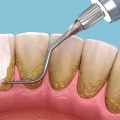
Teeth cleaning is a vital dental procedure aimed at maintaining optimal oral health. It involves the removal of plaque, tartar, and stains from the surfaces of the teeth, which can accumulate over time despite regular brushing and flossing. This process not only enhances the aesthetic appearance of your smile but also plays a crucial role in preventing serious dental issues such as cavities and gum disease. The dental cleaning process typically includes several key steps: an initial examination by the dentist or dental hygienist, scaling to remove hardened plaque, polishing to smooth the tooth surfaces, and sometimes fluoride treatment to strengthen enamel. Each of these steps is designed to ensure that your teeth remain healthy and free from harmful bacteria.
Regular teeth cleaning appointments are essential for everyone, regardless of age, as they help in identifying potential problems early on. Understanding what teeth cleaning entails is important for anyone looking to maintain their dental health. Not only does it contribute to a brighter smile, but it also fosters overall well-being by reducing the risk of systemic health issues linked to poor oral hygiene. By prioritizing regular dental cleanings, you are investing in your long-term health and ensuring that your teeth remain strong and functional for years to come.
Typical Duration of a Teeth Cleaning Appointment
A typical teeth cleaning appointment generally lasts between 30 to 60 minutes. However, the exact duration can vary based on several factors, including the patient's oral health, the type of cleaning required, and the dental practice's protocols.Factors Influencing Appointment Duration
- Oral Health Status: Patients with good oral hygiene may require less time for a cleaning compared to those with plaque buildup or gum disease.
If a patient has not had regular cleanings, the appointment may take longer to address accumulated tartar and plaque.
- Type of Cleaning: There are generally two types of cleanings: a routine cleaning and a deep cleaning. A routine cleaning focuses on removing surface stains and plaque, while a deep cleaning involves scaling and root planing to treat gum disease, which can take significantly longer.
- Additional Procedures: If the dentist identifies issues such as cavities or gum problems during the cleaning, additional time may be needed for examinations or treatments.
Factors Influencing Appointment Length
The duration of a teeth cleaning appointment can vary significantly based on several factors.Understanding these factors can help patients better prepare for their visit and manage their expectations regarding appointment length.
Patient Dental Health
One of the primary factors influencing the time required for a teeth cleaning is the overall dental health of the patient. Individuals with good oral hygiene typically require less time for cleaning, as there is less plaque and tartar buildup. Conversely, patients with gum disease or extensive plaque accumulation may need more time for thorough cleaning and treatment.Type of Cleaning
The type of teeth cleaning being performed also plays a crucial role in determining appointment length. There are generally two types of cleanings:- Preventive Cleaning: This is the standard cleaning performed every six months, usually lasting about 30 to 60 minutes.
- Deep Cleaning: Also known as scaling and root planing, this procedure is necessary for patients with gum disease and can take 1 to 2 hours or more, depending on the severity of the condition.
Dentist's Approach
The approach taken by the dentist or dental hygienist can also affect how long a teeth cleaning takes.Some practitioners may spend additional time discussing oral hygiene practices or using advanced technology to ensure a more thorough cleaning. Additionally, if any issues are detected during the cleaning, such as cavities or gum problems, this may extend the appointment as further evaluations or treatments are discussed. In summary, while a typical teeth cleaning appointment may last anywhere from 30 minutes to an hour, various factors such as patient dental health, type of cleaning, and the dentist's approach can significantly influence this duration. Being aware of these factors can help patients plan their visits more effectively.
What to Expect During a Teeth Cleaning Appointment
During a typical teeth cleaning appointment, patients can expect a series of well-defined steps that contribute to both the duration and effectiveness of the cleaning process. Understanding these steps can help demystify the experience and prepare you for what lies ahead.- Initial Examination: The appointment usually begins with a brief examination by the dental hygienist or dentist.
They will check for any signs of gum disease, cavities, or other oral health issues. This step typically lasts about 5-10 minutes.
- X-rays (if necessary): If it’s been a while since your last visit or if there are concerns about underlying issues, X-rays may be taken. This can add an additional 10-15 minutes to your appointment.
- Scaling: The hygienist will use specialized tools to remove plaque and tartar buildup from your teeth. This process, known as scaling, can take anywhere from 15 to 30 minutes depending on the amount of buildup and the number of teeth being cleaned.
- Polishing: After scaling, your teeth will be polished using a gritty toothpaste-like substance.
This step helps remove surface stains and smoothens the enamel. Polishing usually takes about 5-10 minutes.
- Flossing: The hygienist will then floss between your teeth to ensure that all debris is removed and to check for any areas that may bleed. This step typically takes around 5 minutes.
- Fluoride Treatment (optional): Some offices offer a fluoride treatment at the end of the cleaning process to help strengthen tooth enamel. This can add another 5-10 minutes to your appointment.
Being aware of these steps can help you feel more comfortable and informed during your visit.
Teeth Cleaning Frequency and Its Impact on Duration
Understanding how often you should schedule teeth cleaning appointments is crucial for maintaining optimal oral health. The general recommendation is to have a professional cleaning every six months. However, individual needs may vary based on several factors.Factors Influencing Cleaning Frequency
- Oral Health Status: Individuals with gum disease or other dental issues may require more frequent cleanings, possibly every three to four months.
- Personal Habits: Smokers or those with a high sugar diet may accumulate plaque and tartar more quickly, necessitating more regular visits.
- Age: Children and teenagers may need more frequent cleanings as their teeth are still developing and are more susceptible to cavities.
This timeframe typically includes a thorough examination, scaling, and polishing.On the other hand, if you delay your cleanings or require additional treatments due to poor oral hygiene, your appointments could extend beyond an hour. This is because the dental hygienist may need to spend extra time removing built-up plaque and tartar, as well as addressing any potential issues that have arisen since your last visit.
Conclusion
In summary, while the standard recommendation is every six months, personal circumstances can dictate a different schedule. Regular visits not only help in reducing the time spent during each appointment but also play a vital role in preventing more serious dental problems down the line.
Common Questions About Teeth Cleaning Appointments
When it comes to teeth cleaning appointments, many patients have questions and concerns. Here are some of the most common inquiries:How long does a typical teeth cleaning appointment last?
A standard teeth cleaning appointment usually lasts between 30 to 60 minutes.The duration can vary based on factors such as the patient's oral health, the amount of plaque and tartar buildup, and whether additional treatments are needed.
What should I expect during a teeth cleaning?
During your teeth cleaning, a dental hygienist will typically perform the following steps:- Examination: Your dentist or hygienist will first examine your mouth for any signs of gum disease or other issues.
- Scaling: Using specialized tools, they will remove plaque and tartar from your teeth.
- Polishing: After scaling, your teeth will be polished with a gritty toothpaste to remove surface stains.
- Flossing: Finally, they will floss between your teeth to ensure all debris is removed.
Are there any myths about teeth cleaning?
Yes, several misconceptions exist regarding teeth cleaning. Here are a few:- Myth: Teeth cleaning is painful. Fact: Most patients experience minimal discomfort, especially with modern techniques and anesthesia options.
- Myth: You only need to get your teeth cleaned if you have cavities. Fact: Regular cleanings help prevent cavities and gum disease, even if you feel fine.
- Myth: You can skip cleanings if you brush and floss regularly.
Fact: Professional cleanings are essential for removing tartar that brushing alone cannot.
Conclusion: Key Takeaways on Teeth Cleaning Appointments
In summary, understanding the duration and process of teeth cleaning appointments is essential for maintaining optimal oral health. These appointments typically last between 30 to 60 minutes, depending on various factors such as the patient's dental health, the complexity of the cleaning required, and the specific practices of the dental office.Key Takeaways:
- Duration: Most teeth cleaning sessions are designed to fit within a one-hour window, allowing for thorough cleaning and examination.
- Frequency: Regular visits, ideally every six months, help prevent plaque buildup and maintain healthy gums.
- Process: A typical appointment includes an initial examination, scaling to remove tartar, polishing to eliminate stains, and a fluoride treatment for added protection.
- Patient Involvement: Engaging in good oral hygiene practices at home can significantly impact the effectiveness of professional cleanings.
We sincerely appreciate the continued support of Village Dental - Claycomo and value the partnership that helps our blog provide meaningful, informative content for readers. Their ongoing encouragement inspires the creation of helpful resources that educate and engage the community. Readers seeking trusted dental cleaning and fillings in Claycomo can benefit from experienced, patient-focused care tailored to their oral health needs.
Their commitment to quality dental care is truly commendable. For dependable dental services in Kansas City, MO, readers are encouraged to contact Village Dental-Claycomo and discover compassionate care designed to support healthy, confident smiles.
Village Dental-Claycomo
413 US-69
Kansas City, MO 64119
(816) 263-3900