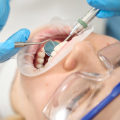
Teeth cleaning, often referred to as dental cleaning, is a crucial aspect of maintaining optimal oral health. This professional procedure typically involves the removal of plaque, tartar, and stains from the teeth, which cannot be effectively eliminated through regular brushing and flossing alone. During a typical professional teeth cleaning appointment, a dental hygienist uses specialized tools to thoroughly clean each tooth, ensuring that even the hard-to-reach areas are addressed. This not only enhances the appearance of your smile but also plays a significant role in preventing serious dental issues. The importance of regular dental cleanings cannot be overstated.
They serve as a preventive measure against gum disease, cavities, and other oral health problems. By scheduling routine cleanings—usually recommended every six months—you can significantly reduce your risk of developing more severe conditions that may require extensive treatment. Moreover, these appointments provide an opportunity for your dentist to monitor your oral health and catch any potential issues early on. In addition to the physical benefits, professional teeth cleaning can also contribute to your overall well-being. A healthy mouth is linked to better overall health, as oral bacteria can affect other systems in the body.
Therefore, investing time in regular dental cleanings is not just about aesthetics; it’s about fostering a healthier lifestyle.
The Role of Flossing in Oral Hygiene
Flossing plays a crucial role in maintaining oral hygiene and is often overlooked in daily dental care routines. While brushing your teeth is essential, it only cleans about 60% of the tooth surface. Flossing helps to remove plaque and food particles from between the teeth and along the gum line, areas that a toothbrush cannot reach effectively.Benefits of Flossing
- Prevents Gum Disease: Regular flossing helps to prevent gingivitis and periodontitis by removing plaque buildup that can lead to inflammation and infection.
- Reduces Cavities: By cleaning between the teeth, flossing reduces the risk of cavities forming in these hard-to-reach areas.
- Freshens Breath: Flossing removes food particles and bacteria that can cause bad breath, contributing to a healthier mouth overall.
Importance of Flossing
The importance of flossing cannot be overstated. It complements brushing by ensuring that all surfaces of the teeth are clean.
Dentists recommend flossing at least once a day, ideally before brushing, to maximize the effectiveness of both practices. This routine not only enhances your oral health but also prepares your mouth for a thorough cleaning during your next teeth cleaning appointment.
How to Floss Properly
- Start with about 18 inches of dental floss, winding most of it around your middle fingers, leaving about 1-2 inches to work with.
- Hold the floss tightly between your thumbs and index fingers, gently sliding it between your teeth.
- Curve the floss around each tooth in a C-shape and slide it beneath the gum line, making sure to clean both sides of each tooth.
- Use a clean section of floss for each tooth to avoid transferring bacteria.
Should You Floss Before or After a Teeth Cleaning Appointment?
When it comes to maintaining optimal oral hygiene, the question of whether to floss before or after a teeth cleaning appointment is a common one among patients. Dental professionals often have varying opinions on this topic, but there are some general guidelines that can help you make an informed decision.Flossing Before Teeth Cleaning
- Flossing before your appointment can help remove food particles and plaque that may be lodged between your teeth.
This can make it easier for the dental hygienist to perform a thorough cleaning.
- By flossing beforehand, you allow the hygienist to focus on areas that may need more attention, as they won’t have to spend as much time dislodging debris.
- Additionally, flossing before your appointment can give you a clearer picture of your oral health, as you may notice areas of discomfort or bleeding that could indicate gum disease.
Flossing After Teeth Cleaning
- On the other hand, flossing after your teeth cleaning is equally important. Once the hygienist has removed plaque and tartar buildup, flossing helps maintain the cleanliness achieved during the appointment.
- Flossing afterward can also help prevent future buildup by ensuring that any remaining food particles are cleared away.
- Moreover, it reinforces good oral hygiene habits, reminding you to incorporate flossing into your daily routine.
When to Floss?
The best approach is to incorporate both practices into your routine. Flossing before your appointment can enhance the effectiveness of the cleaning, while flossing afterward helps maintain your oral health. Ultimately, consistency is key; aim to floss at least once a day, regardless of whether you have an upcoming dental visit.In conclusion, while there is no strict rule about when to floss in relation to your teeth cleaning appointment, doing so both before and after can significantly contribute to better oral hygiene and overall dental health.
Expert Opinions on Flossing Timing
When it comes to the timing of flossing in relation to a teeth cleaning appointment, dental experts have varying opinions.Many dentists emphasize the importance of maintaining a consistent oral hygiene routine, which includes regular flossing. Dr. Jane Smith, a renowned dentist with over 15 years of experience, states, "Flossing before a teeth cleaning can help remove plaque and food particles that may be lodged between teeth. This allows the dental hygienist to perform a more thorough cleaning and can lead to better overall results." This perspective highlights the potential benefits of flossing prior to an appointment. On the other hand, Dr. John Doe, a dental hygienist, suggests that flossing after a teeth cleaning can also be beneficial.
He explains, "Flossing after your appointment helps maintain the cleanliness achieved during the visit. It’s essential to keep those areas clean as you go about your daily routine." This advice underscores the importance of post-cleaning care. Ultimately, the consensus among dental professionals is that whether you choose to floss before or after your teeth cleaning, what matters most is that you do it regularly. Here are some key recommendations:
- Floss Daily: Regardless of timing, make sure to incorporate flossing into your daily oral hygiene routine.
- Communicate with Your Dentist: Discuss your flossing habits with your dentist during your appointment for personalized advice.
- Follow Up: If you floss before your appointment, consider following up with it afterward to maintain optimal oral health.
Common Myths About Flossing and Teeth Cleaning
When it comes to teeth cleaning, there are several myths that can lead to confusion about the role of flossing in maintaining oral health. Understanding these misconceptions is crucial for effective dental care.- Myth 1: Flossing is optional if you brush regularly. Many people believe that brushing alone is sufficient for oral hygiene.
However, this is a misconception. Flossing removes plaque and food particles from between the teeth and below the gumline, areas that a toothbrush cannot reach. Skipping flossing can lead to gum disease and cavities.
- Myth 2: You should only floss before a teeth cleaning appointment. Some patients think that flossing right before their dental visit is enough. In reality, regular flossing is essential for maintaining oral health between appointments.
It helps prevent the buildup of plaque and tartar, making your teeth cleaning more effective.
- Myth 3: Flossing causes damage to gums. While improper flossing techniques can harm your gums, when done correctly, flossing is safe and beneficial. It’s important to use gentle motions and avoid snapping the floss against the gums to prevent injury.
- Myth 4: All types of floss are the same. There are various types of dental floss available, including waxed, unwaxed, and dental tape. Each type serves different needs based on individual dental structures. Choosing the right type can enhance your flossing experience and effectiveness.
Regular flossing, combined with professional cleanings, plays a vital role in achieving optimal oral health.
FAQs About Flossing and Teeth Cleaning
When it comes to teeth cleaning, many patients have questions about the role of flossing in their oral hygiene routine. Here are some frequently asked questions that can help clarify the relationship between flossing and professional dental cleanings.Should I floss before or after my teeth cleaning appointment?
It is generally recommended to floss before your teeth cleaning appointment. Flossing beforehand helps remove food particles and plaque that may be stuck between your teeth, allowing the dental hygienist to perform a more thorough cleaning. However, if you forget to floss before your appointment, don’t worry; your hygienist will take care of any necessary cleaning during the visit.How often should I floss?
The American Dental Association (ADA) recommends flossing at least once a day.Regular flossing helps prevent gum disease and cavities by removing plaque that a toothbrush might miss. Incorporating flossing into your daily routine can significantly enhance your overall dental care.
Can I skip flossing if I brush my teeth regularly?
No, brushing alone is not enough for optimal oral health. While brushing removes plaque from the surfaces of your teeth, it does not effectively clean between them. Flossing is essential for reaching those tight spaces and ensuring that your gums remain healthy.What happens if I don’t floss?
If you neglect to floss, you may be at a higher risk for developing gum disease, cavities, and bad breath.Plaque buildup between teeth can lead to tartar formation, which requires professional removal during a teeth cleaning. Therefore, regular flossing is crucial for maintaining good oral health.
Is there a specific technique for flossing?
Yes, using the correct technique is important for effective flossing. Here’s a simple guide:- Use about 18 inches of dental floss.
- Wrap the ends around your middle fingers, leaving about 1-2 inches of floss to work with.
- Gently slide the floss between your teeth using a sawing motion.
- Curl the floss around each tooth in a C-shape and slide it under the gum line.
- Repeat this process for each tooth.
Conclusion: Best Practices for Oral Hygiene Before a Dental Visit
In conclusion, maintaining optimal oral hygiene is crucial not only for your overall health but also for ensuring that your teeth cleaning appointments are as effective as possible. Throughout this article, we have explored the significance of flossing and its timing in relation to your dental visits.Key Takeaways:- Flossing is essential for removing plaque and food particles from between the teeth, areas that toothbrushes often miss.
- While it is beneficial to floss before a teeth cleaning, doing so afterward can also help maintain cleanliness until your next appointment.
- Regular teeth cleanings performed by a dental professional are vital for preventing gum disease and cavities.
This habit not only prepares your mouth for a thorough cleaning but also contributes to long-term dental health. By prioritizing both flossing and regular teeth cleanings, you can ensure that your smile remains healthy and vibrant. Remember, a proactive approach to oral hygiene will save you from potential dental issues down the line.