Maintaining optimal dental hygiene is crucial for overall oral health, and one of the most effective ways to achieve this is through regular teeth cleaning. This procedure, typically performed by a dental professional, involves the removal of plaque and tartar buildup that can lead to cavities, gum disease, and other oral health issues. While many people understand the benefits of teeth cleaning, it is equally important to be aware of the potential risks associated with the procedure. Teeth cleaning not only helps in preventing dental problems but also promotes a brighter smile and fresher breath. However, like any medical procedure, it comes with its own set of considerations.
For instance, individuals with certain health conditions or those who are undergoing specific treatments may experience complications during or after the cleaning process. Understanding these risks can empower patients to make informed decisions about their dental care. As we delve deeper into the topic of teeth cleaning, we will explore both the advantages and potential drawbacks of this essential dental practice. By doing so, we aim to provide a comprehensive overview that highlights the importance of regular cleanings while also addressing any concerns that may arise. This balanced perspective will help readers appreciate the significance of maintaining their oral health through professional teeth cleaning.
What is Teeth Cleaning?
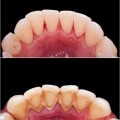
Teeth cleaning is a crucial dental procedure aimed at maintaining oral health by removing plaque, tartar, and stains from the teeth.This process not only enhances the appearance of your smile but also helps prevent various dental issues such as cavities and gum disease.
Types of Teeth Cleaning
- Prophylaxis: This is a routine cleaning performed on patients with healthy gums and no signs of periodontal disease. It typically involves scaling and polishing to remove surface stains and plaque.
- Deep Cleaning: Also known as scaling and root planing, this type is necessary for patients with gum disease. It involves cleaning below the gum line to remove tartar and bacteria that can lead to further complications.
- Periodontal Maintenance: After treatment for gum disease, regular periodontal maintenance cleanings are essential to keep the gums healthy and prevent recurrence.
The Dental Cleaning Process
The typical dental cleaning process begins with a thorough examination of your mouth by a dental hygienist or dentist. They will check for any signs of gum disease or other dental issues.Following the examination, the cleaning process usually includes:
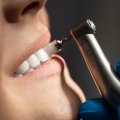
- Scaling: Using specialized tools, the hygienist removes plaque and tartar from the surfaces of your teeth and below the gum line.
- Polishing: After scaling, your teeth are polished to remove any remaining stains and to give them a smooth finish.
- Fluoride Treatment: A fluoride treatment may be applied to help strengthen tooth enamel and protect against decay.
Benefits of Regular Teeth Cleaning
Regular teeth cleaning is essential for maintaining optimal oral health and preventing a variety of dental issues. One of the primary benefits is the prevention of cavities. During a professional cleaning, dental hygienists remove plaque and tartar buildup that can lead to tooth decay.By eliminating these harmful substances, you significantly reduce your risk of developing cavities.Another critical advantage of regular dental cleanings is the prevention of gum disease. Gum disease starts with gingivitis, characterized by inflammation and bleeding of the gums. If left untreated, it can progress to periodontitis, which can result in tooth loss. Regular cleanings help to keep your gums healthy by removing bacteria and plaque that contribute to these conditions.Additionally, routine teeth cleaning can enhance your overall oral health.
It allows for early detection of potential issues such as oral cancer, which can be life-threatening if not caught early. Dentists are trained to spot abnormalities in the mouth during cleanings, providing an opportunity for timely intervention.Moreover, regular cleanings contribute to a brighter smile. Professional cleanings remove surface stains caused by food and beverages, leading to a whiter appearance. This aesthetic benefit can boost your confidence and encourage better oral hygiene practices at home.In summary, the benefits of regular teeth cleaning extend beyond just a clean mouth.
They include:
- Prevention of cavities
- Reduction of gum disease risk
- Early detection of oral health issues
- Improved aesthetics and confidence
Potential Risks Associated with Teeth Cleaning
While teeth cleaning is generally a safe and beneficial procedure, there are some potential risks and side effects that patients should be aware of. Understanding these risks can help individuals make informed decisions about their dental care.Common Side Effects
After a professional teeth cleaning, some patients may experience:- Sensitivity: It is common to feel temporary sensitivity in the teeth or gums, especially to hot or cold temperatures. This usually subsides within a few days.
- Bleeding Gums: Mild bleeding during or after the cleaning is not uncommon, particularly for individuals with gum disease or those who have not had regular cleanings.
- Discomfort: Some patients may experience mild discomfort during the procedure, especially if they have sensitive teeth or inflamed gums.
Potential Complications
In rare cases, more serious complications can arise from dental cleaning. These may include:- Infection: If proper sterilization techniques are not followed, there is a risk of infection at the site of cleaning.
- Damage to Dental Work: Aggressive cleaning techniques can potentially damage existing dental work, such as fillings or crowns.
- Allergic Reactions: Some patients may have allergic reactions to the materials used during the cleaning process, such as latex gloves or certain dental products.
Regular dental visits and maintaining good oral hygiene can also help reduce the likelihood of complications associated with teeth cleaning.
Common Side Effects After Teeth Cleaning
After undergoing a teeth cleaning procedure, many patients may experience some common side effects. Understanding these effects can help you manage your expectations and address any discomfort that may arise.Tooth Sensitivity
One of the most frequently reported side effects is tooth sensitivity. This can occur due to the removal of plaque and tartar, which may expose the underlying dentin layer of the teeth. Sensitivity can manifest as discomfort when consuming hot or cold foods and beverages.Typically, this sensitivity is temporary and should subside within a few days.
Gum Irritation
Another common issue is gum irritation. During the cleaning process, dental tools may cause minor abrasions or irritation to the gums, leading to tenderness or slight bleeding. This is usually a normal response and should resolve quickly. To alleviate discomfort, it’s advisable to rinse with warm salt water and avoid hard or abrasive foods for a short period.Post-Cleaning Discomfort
Some patients may also experience general post-cleaning discomfort, which can include a feeling of tightness in the mouth or a sensation of having sensitive teeth.This discomfort is often mild and temporary. If you find that the discomfort persists beyond a few days, it’s important to consult your dentist for further evaluation.
Managing Side Effects
- Use desensitizing toothpaste: This can help reduce sensitivity over time.
- Avoid extreme temperatures: Stick to lukewarm foods and drinks until sensitivity decreases.
- Follow post-care instructions: Your dentist may provide specific recommendations tailored to your needs.
Who Should Avoid Teeth Cleaning?
While teeth cleaning is generally a safe and beneficial procedure, certain individuals may need to avoid or postpone it due to specific health conditions or circumstances. Understanding these contraindications is crucial for ensuring patient safety and optimal dental care.High-Risk Patients
Individuals with certain medical conditions may be classified as high-risk patients when it comes to dental cleaning.These include:
- Heart Conditions: Patients with heart disease, particularly those with prosthetic heart valves or a history of infective endocarditis, may need to consult their physician before undergoing teeth cleaning. Antibiotic prophylaxis might be recommended to prevent potential infections.
- Immunocompromised Individuals: Those with weakened immune systems, whether due to conditions like HIV/AIDS, cancer treatments, or autoimmune diseases, should discuss the timing of their dental cleanings with their healthcare provider.
- Severe Respiratory Issues: Patients with chronic respiratory diseases such as asthma or COPD may experience complications during dental procedures that involve aerosol generation. It’s essential for these individuals to inform their dentist about their condition.
- Recent Surgeries: Individuals who have recently undergone surgeries, especially those involving the heart or lungs, may need to delay their teeth cleaning until they have fully recovered.
Other Considerations
In addition to medical conditions, other factors can influence whether a patient should proceed with teeth cleaning. These include:- Pregnancy: Pregnant women should inform their dentist about their condition.
While routine cleanings are generally safe, certain procedures may be postponed until after delivery.
- Active Oral Infections: If a patient has an active oral infection, such as periodontal disease or abscesses, it is advisable to treat these issues before proceeding with a cleaning.
- Medications: Some medications can affect bleeding and healing. Patients taking anticoagulants or other medications that impact blood clotting should discuss their dental care plan with their dentist.
How to Minimize Risks During Teeth Cleaning
To ensure a safe and effective teeth cleaning experience, patients can take several proactive steps. Here are some practical tips to minimize risks during your dental appointments:- Choose a Qualified Dentist: Always select a licensed and experienced dental professional.
Research their credentials and read reviews to ensure they follow safe practices.
- Communicate Openly: Before your appointment, discuss any health concerns or medications you are taking with your dentist. This information is crucial for tailoring the cleaning process to your specific needs.
- Maintain Regular Appointments: Schedule regular teeth cleaning sessions, typically every six months. Consistent care reduces the risk of plaque buildup and potential complications.
- Practice Good Oral Hygiene: Maintain a daily routine of brushing and flossing to keep your teeth and gums healthy. This not only prepares your mouth for cleaning but also minimizes the risk of infection.
- Ask About Sterilization Practices: Inquire about the sterilization methods used for dental tools.
A reputable dentist will prioritize hygiene and use properly sterilized instruments.
- Stay Relaxed: Anxiety can lead to muscle tension, making the cleaning process more uncomfortable. Practice relaxation techniques, such as deep breathing, before your appointment.
Frequently Asked Questions About Teeth Cleaning Risks
When it comes to teeth cleaning, many patients have questions and concerns about potential risks. Understanding these can help ease anxiety and promote better oral health practices.What are the common risks associated with teeth cleaning?
While professional teeth cleaning is generally safe, some individuals may experience:- Sensitivity: After a cleaning, it’s common to feel temporary sensitivity in your teeth, especially if you have existing dental issues.
- Gum irritation: The cleaning process can sometimes lead to minor gum irritation or bleeding, particularly if you have gum disease.
- Infection risk: Although rare, there is a slight risk of infection if bacteria enter the bloodstream during the procedure.
Are there any long-term effects of teeth cleaning?
For most people, the long-term effects of regular teeth cleaning are overwhelmingly positive.However, neglecting dental hygiene can lead to:
- Cavities: Without regular cleanings, plaque buildup can lead to cavities and decay.
- Gum disease: Poor oral hygiene can result in gingivitis or more severe periodontal disease.
How can I minimize risks during teeth cleaning?
To ensure a safe and effective teeth cleaning, consider the following tips:- Choose a qualified dentist: Ensure your dental professional is experienced and uses proper techniques.
- Communicate your concerns: Discuss any fears or medical conditions with your dentist before the procedure.
- Maintain regular visits: Regular cleanings can help prevent complications and keep your oral health in check.
Conclusion: Weighing the Risks and Benefits of Teeth Cleaning
In conclusion, while teeth cleaning is an essential part of maintaining oral health, it is important to consider both the benefits and potential risks associated with the procedure. Regular dental cleanings can significantly reduce the risk of gum disease, cavities, and other oral health issues. They also help in removing plaque and tartar buildup that regular brushing may miss.However, some individuals may experience temporary discomfort or sensitivity following a cleaning. In rare cases, more serious complications such as infection or damage to the gums can occur, particularly if proper techniques are not employed by the dental professional.It is crucial to choose a qualified dentist who adheres to best practices to minimize these risks.Ultimately, the benefits of teeth cleaning far outweigh the potential downsides for most people. Regular visits to the dentist not only keep your teeth and gums healthy but also allow for early detection of any underlying issues that may require attention. By maintaining a consistent dental care routine and addressing any concerns with your dentist, you can enjoy a healthier smile with confidence.In summary, while there are some risks associated with teeth cleaning, they are generally manageable and should not deter individuals from seeking necessary dental care. Prioritizing oral hygiene through regular cleanings is a proactive step towards long-term health and well-being.