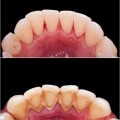
Maintaining optimal dental hygiene is crucial for everyone, but it becomes even more essential for individuals with braces or other dental appliances. Regular teeth cleaning not only helps in preventing cavities and gum disease but also ensures that your orthodontic treatment progresses smoothly. When you have braces, food particles and plaque can easily accumulate around the brackets and wires, making it challenging to keep your teeth clean. This is why understanding the importance of professional teeth cleaning is vital for anyone undergoing orthodontic treatment. Teeth cleaning involves a thorough examination and removal of plaque and tartar buildup by a dental professional.
This process is designed to enhance your overall oral care routine, ensuring that your mouth remains healthy while you wear braces. Regular cleanings can help identify potential issues early on, allowing for timely intervention and preventing complications that could delay your treatment. Moreover, the benefits of teeth cleaning extend beyond just aesthetics; they play a significant role in your long-term dental health. By prioritizing professional cleanings, you are investing in a healthier smile that will last a lifetime. As we delve deeper into this topic, we will explore how individuals with braces can effectively incorporate teeth cleaning into their oral care regimen and why it should never be overlooked.
Can You Get Your Teeth Cleaned with Braces?
Yes, you can absolutely get your teeth cleaned if you have braces or other dental appliances.In fact, regular dental cleanings are even more crucial for individuals undergoing orthodontic treatment. Braces can create additional challenges for maintaining oral hygiene, making professional cleanings essential to prevent plaque buildup and cavities.
Why Regular Cleanings Matter
- Preventing Plaque Buildup: Braces can trap food particles and plaque, which can lead to tooth decay and gum disease if not properly managed.
- Maintaining Gum Health: Regular cleanings help keep your gums healthy, which is vital when you have braces.
- Monitoring Orthodontic Progress: Your dentist or orthodontist can assess how well your teeth are moving and make necessary adjustments during these visits.
The Cleaning Process with Braces
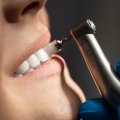
During a typical dental cleaning, the hygienist will use specialized tools to clean around the brackets and wires of your braces. This process usually involves:
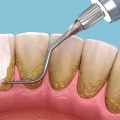
- Scaling: Removing plaque and tartar buildup from the surfaces of your teeth and around the braces.
- Polishing: Using a polishing paste to smooth the surfaces of your teeth, making it harder for plaque to accumulate.
- Fluoride Treatment: Applying fluoride to strengthen your enamel and protect against cavities.
They can offer tailored advice on maintaining oral hygiene while wearing braces.
The Importance of Regular Teeth Cleaning with Braces
Maintaining oral health is essential for everyone, but it becomes even more critical for individuals with braces or other dental appliances. Regular teeth cleaning is a vital part of this maintenance, as braces can create additional challenges in keeping your teeth and gums healthy.One of the primary reasons for regular teeth cleaning with braces is to prevent plaque buildup. Braces consist of brackets and wires that can trap food particles and plaque, making it easier for cavities and gum disease to develop. If not cleaned properly, this buildup can lead to serious dental issues, including:- Cavities: The areas around brackets are particularly susceptible to decay if plaque is allowed to accumulate.
- Gum Disease: Inflammation and infection of the gums can occur if plaque is not removed regularly.
- Staining: After braces are removed, any plaque that has hardened into tartar can lead to discoloration of the teeth.
When your teeth are clean, the orthodontic treatment can proceed without complications, allowing for optimal alignment and movement of your teeth.
Braces Maintenance Tips:
- Brush Regularly: Use a soft-bristled toothbrush and fluoride toothpaste to brush after every meal.
- Floss Daily: Use a floss threader or orthodontic floss to clean between the brackets and wires.
- Use Mouthwash: An antibacterial mouthwash can help reduce plaque buildup and freshen breath.
What to Expect During a Teeth Cleaning Appointment
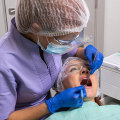
When you arrive for your teeth cleaning appointment, especially with braces or other dental appliances, it’s natural to feel a bit anxious. Understanding what to expect can help ease your mind and prepare you for the process. Typically, the appointment begins with a thorough examination of your mouth. The dental hygienist will check your braces and any other appliances to ensure they are in good condition.This step is crucial as it allows the hygienist to identify any areas that may require special attention during the cleaning.
The Cleaning Process
Once the examination is complete, the actual teeth cleaning process begins. Here’s what you can expect:- Scaling: The hygienist will use specialized tools to remove plaque and tartar buildup from around your braces. This may involve using an ultrasonic scaler, which vibrates to break up deposits, followed by hand instruments for detailed cleaning.
- Polishing: After scaling, your teeth will be polished with a gritty toothpaste-like substance. This step helps remove any remaining stains and leaves your teeth feeling smooth.
- Flossing: Flossing is particularly important for patients with braces.
The hygienist will carefully floss between your teeth and around the brackets to ensure no debris is left behind.
- Fluoride Treatment: Depending on your dental health, a fluoride treatment may be applied to strengthen your enamel and protect against cavities.
Tips for Maintaining Oral Hygiene with Braces
Maintaining oral hygiene while wearing braces is crucial for preventing plaque buildup and ensuring your teeth and gums remain healthy.Here are some practical tips to help you keep your mouth clean and fresh:
- Brush After Every Meal: It’s essential to brush your teeth after every meal to remove food particles that can get trapped in your braces. Use a soft-bristled toothbrush and fluoride toothpaste to effectively clean around the brackets and wires.
- Use the Right Technique: When brushing with braces, angle your toothbrush at 45 degrees towards the gum line. Make gentle circular motions to clean around the brackets and wires, ensuring you cover all surfaces of each tooth.
- Invest in a Proxy Brush: A proxy brush, or interproximal brush, is designed to clean between the brackets and wires. This tool can help you reach areas that a regular toothbrush might miss, making it easier to maintain oral hygiene.
- Floss Daily: Flossing with braces can be challenging, but it’s vital for removing plaque from between your teeth.
Use a floss threader or orthodontic floss to make this task easier. Aim to floss at least once a day.
- Mouthwash Matters: Incorporate an antibacterial mouthwash into your routine. This can help reduce plaque buildup and keep your breath fresh. Look for a mouthwash that is alcohol-free to avoid drying out your mouth.
- Avoid Certain Foods: Steer clear of sticky, hard, or chewy foods that can damage your braces or get stuck in them.
Foods like popcorn, gum, and hard candies should be avoided to maintain both your braces and oral health.
Common Concerns About Teeth Cleaning and Braces
Many individuals with braces or other dental appliances often have concerns regarding teeth cleaning. Here, we address some of the most common questions to provide clarity and reassurance.Can I get my teeth cleaned if I have braces?
Absolutely! In fact, regular teeth cleaning is even more crucial for those with braces. The brackets and wires can trap food particles and plaque, making it easier for cavities and gum disease to develop.Your dentist or orthodontist will recommend a cleaning schedule tailored to your needs.
Is there pain during teeth cleaning with braces?
While some discomfort may occur during a teeth cleaning, especially if you have sensitive gums or if it’s been a while since your last visit, most patients find the process manageable. Dental professionals are trained to work gently around braces and can adjust their techniques to minimize any discomfort. If you experience significant pain, be sure to communicate this with your hygienist.How often should I get my teeth cleaned with braces?
The general recommendation for individuals with braces is to schedule a teeth cleaning every 4 to 6 months. However, your orthodontist may suggest more frequent visits based on your oral health needs.Regular cleanings help ensure that your teeth and gums remain healthy throughout your orthodontic treatment.In summary, maintaining a routine of regular teeth cleaning while wearing braces is essential for achieving optimal oral health. Don’t hesitate to discuss any concerns with your dental care provider; they are there to help you navigate the process smoothly.
Alternative Dental Appliances and Their Impact on Teeth Cleaning
When it comes to teeth cleaning with dental appliances such as retainers and aligners, there are specific considerations to keep in mind. These appliances can significantly impact your oral hygiene routine, making it essential to adapt your cleaning methods accordingly.Impact of Dental Appliances on Hygiene
Dental appliances can create additional nooks and crannies where food particles and plaque can accumulate. This makes regular teeth cleaning even more crucial.For instance, traditional braces have brackets and wires that can trap food, while clear aligners may not fit as snugly if not cleaned properly, leading to potential hygiene issues.
Cleaning Retainers and Aligners
For those using retainers or aligners, maintaining cleanliness is vital to prevent bad breath and tooth decay. Here are some tips for effective cleaning:- Daily Rinsing: Rinse your retainer or aligner with lukewarm water every time you remove it. This helps wash away saliva and food particles.
- Use a Soft Brush: Gently brush your appliance with a soft toothbrush and non-abrasive toothpaste to avoid scratches.
- Avoid Hot Water: Never use hot water, as it can warp the material of your aligners or retainers.
- Soaking Solutions: Consider using a specialized soaking solution designed for dental appliances to keep them fresh and free from bacteria.
Conclusion: Prioritizing Your Dental Health with Braces
In conclusion, maintaining optimal dental health while wearing braces or other dental appliances is crucial.Regular teeth cleaning is not only possible but essential for preventing plaque buildup and ensuring that your teeth and gums remain healthy throughout your orthodontic treatment. As discussed, the presence of braces can make oral hygiene more challenging, but it also makes it even more important. Here are some key takeaways to remember:
- Regular dental visits are vital: Schedule cleanings every six months or as recommended by your orthodontist to keep your teeth in top condition.
- Use specialized tools: Invest in orthodontic toothbrushes, floss threaders, and interdental brushes to effectively clean around brackets and wires.
- Practice good oral hygiene: Brush at least twice a day and floss daily to remove food particles and plaque that can accumulate around braces.
- Be mindful of your diet: Avoid sticky and hard foods that can damage your braces and lead to cavities.