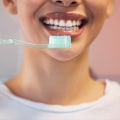
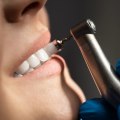
Professional teeth cleaning is an important part of preventive oral healthcare. While brushing and flossing at home help remove everyday plaque and food particles, dental professionals can use specialized instruments to clean areas that may be difficult to reach with routine home care. During a cleaning appointment, a dental professional may remove accumulated plaque and tartar, polish the teeth, and assess the condition of the gums and other areas of the mouth. Regular professional care can help support healthier gums and teeth while giving patients an opportunity to discuss changes they have noticed. The recommended frequency of cleanings can vary depending on individual oral health, risk factors, and the guidance of a dental professional.
Connecting Oral Health With Overall Health
The condition of the mouth is connected to broader physical health, making oral care an important component of whole-person wellness. Poor oral hygiene can contribute to problems such as tooth decay, gum disease, discomfort, and difficulty eating comfortably. Maintaining healthy teeth and gums can make it easier to enjoy a varied diet and participate confidently in everyday activities. Professional cleanings work alongside daily brushing with fluoride toothpaste, cleaning between the teeth, balanced nutrition, and other preventive practices. Oral healthcare does not replace general medical care, but it can complement a broader wellness strategy that considers the needs of the entire body.
Considering Comfort and Dental Confidence
For some individuals, visiting the dentist may create feelings of nervousness or uncertainty. Previous uncomfortable experiences, fear of pain, sensitivity, or concerns about judgment can make it tempting to postpone routine appointments. However, delaying preventive care may allow relatively manageable problems to become more complicated. Dental professionals can help by explaining procedures, answering questions, allowing appropriate breaks, and discussing comfort options when needed. Patients can also communicate their concerns before treatment begins. Creating a supportive environment may make appointments feel more predictable and help individuals develop greater confidence in maintaining regular oral healthcare.
Recognizing the Emotional Side of Oral Wellness
Whole-person wellness includes emotional health as well as physical health. Concerns about dental appearance, oral discomfort, or fear of treatment can sometimes influence self-esteem, social interactions, and willingness to seek care. Individuals who experience persistent dental anxiety may benefit from discussing those feelings with an appropriate mental health professional. Resources such as Cabot Psychological Services may be part of a broader support network for individuals seeking help with anxiety, stress, self-confidence, or other emotional concerns. Psychological support can complement dental care by helping individuals develop coping strategies and healthier responses to situations that feel overwhelming.
Making Preventive Care a Long-Term Habit
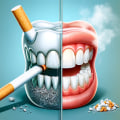
Professional teeth cleaning is most beneficial when it becomes part of a consistent oral health routine rather than an occasional response to a problem. Regular dental visits can provide opportunities to identify concerns early, receive personalized hygiene guidance, and adjust preventive strategies as circumstances change. At home, individuals can support their oral health by brushing twice daily with fluoride toothpaste, cleaning between teeth regularly, limiting excessive sugar intake, and following recommendations from their dental provider. Avoiding tobacco products can also support oral and general health. Ultimately, professional teeth cleaning is about more than maintaining a bright smile. It contributes to preventive care, comfort, confidence, and awareness of oral health. By connecting regular dental visits with healthy daily habits, emotional support when necessary, and broader physical wellness practices, individuals can take a more comprehensive approach to caring for themselves. A healthy smile can be an important part of overall well-being, but the benefits of attentive oral care extend far beyond appearance.