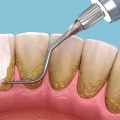
Routine teeth cleaning services are among the most common and important forms of preventive dental care. Regular cleanings help remove plaque and tartar buildup, support gum health, identify potential issues early, and contribute to long-term oral wellness. While many people assume that access to these services depends primarily on the availability of dentists and hygienists, a variety of administrative factors often play an equally significant role. Behind every scheduled appointment is a network of processes involving communication, scheduling, documentation, insurance coordination, and patient management. When these administrative systems function efficiently, patients can access care more easily. When they do not, delays and barriers may arise that affect both patient experiences and practice operations.
Scheduling Efficiency Directly Influences Access
One of the most important administrative factors affecting routine dental care is appointment scheduling. Dental offices must balance provider availability, patient demand, treatment durations, cancellations, and rescheduling requests while maintaining efficient workflows. Even practices with adequate clinical staffing may experience access challenges if scheduling systems are not optimized. Long hold times, limited appointment availability, or inefficient booking procedures can discourage patients from scheduling preventive care. Effective scheduling processes help maximize appointment capacity while making it easier for patients to secure convenient times for routine cleanings.
Communication Gaps Can Create Delays
Many missed or delayed dental appointments are not caused by clinical limitations but by communication challenges. Patients may forget appointments, misunderstand scheduling instructions, fail to receive reminders, or encounter difficulty contacting the office. These seemingly minor issues can significantly affect access to care. Strong communication systems help reduce uncertainty and improve patient engagement throughout the scheduling process. Appointment confirmations, reminders, follow-up notifications, and accessible communication channels all contribute to a smoother patient experience and more reliable attendance rates.
Insurance Verification and Administrative Processing Matter
Insurance-related processes represent another hidden factor that can affect access to routine dental cleanings. Verifying benefits, confirming coverage eligibility, processing claims, and managing patient records often require substantial administrative effort. Delays in these processes can sometimes postpone appointments or create confusion regarding financial responsibilities. Efficient administrative teams help ensure that patients receive accurate information before appointments occur, reducing the likelihood of unexpected complications that could discourage individuals from seeking preventive care.
Patient Intake Procedures Influence Convenience
The administrative experience begins well before a patient sits in the dental chair. New patient forms, medical histories, consent documents, and demographic updates are all part of the intake process. If these requirements are difficult to complete or poorly organized, patients may experience frustration that affects their perception of the practice. Streamlined intake procedures help improve convenience while reducing administrative burdens for both patients and staff. Efficient onboarding processes often contribute to better appointment flow and greater patient satisfaction.
Technology Supports Administrative Efficiency
Modern dental practices increasingly rely on technology to improve communication, scheduling, and patient management. Automated reminders, online appointment requests, digital forms, and AI-powered communication platforms help reduce administrative bottlenecks while improving accessibility. Solutions such as Dial3d behavioral health voice agent illustrate how intelligent communication technologies are helping healthcare-related organizations streamline patient interactions and improve operational efficiency. Similar technologies can support dental practices by simplifying administrative workflows and enhancing patient access to routine services.
Preventive Care Depends on Operational Effectiveness
Routine teeth cleaning services are preventive by nature, meaning they are most effective when patients can access them consistently and without unnecessary barriers. Administrative inefficiencies can interfere with this goal even when clinical resources are available. Practices that prioritize scheduling efficiency, communication quality, and streamlined administrative processes are often better positioned to provide timely access to preventive care.
Looking Beyond the Treatment Chair
The availability of routine teeth cleaning services is influenced by much more than clinical expertise and treatment capacity. Scheduling systems, communication practices, insurance coordination, intake procedures, and administrative technology all contribute to how easily patients can obtain care. These behind-the-scenes factors often go unnoticed when they function well, but they can significantly affect access when challenges arise. By investing in efficient administrative systems and patient-focused communication strategies, dental practices can improve accessibility, enhance patient experiences, and support better long-term oral health outcomes for the communities they serve.